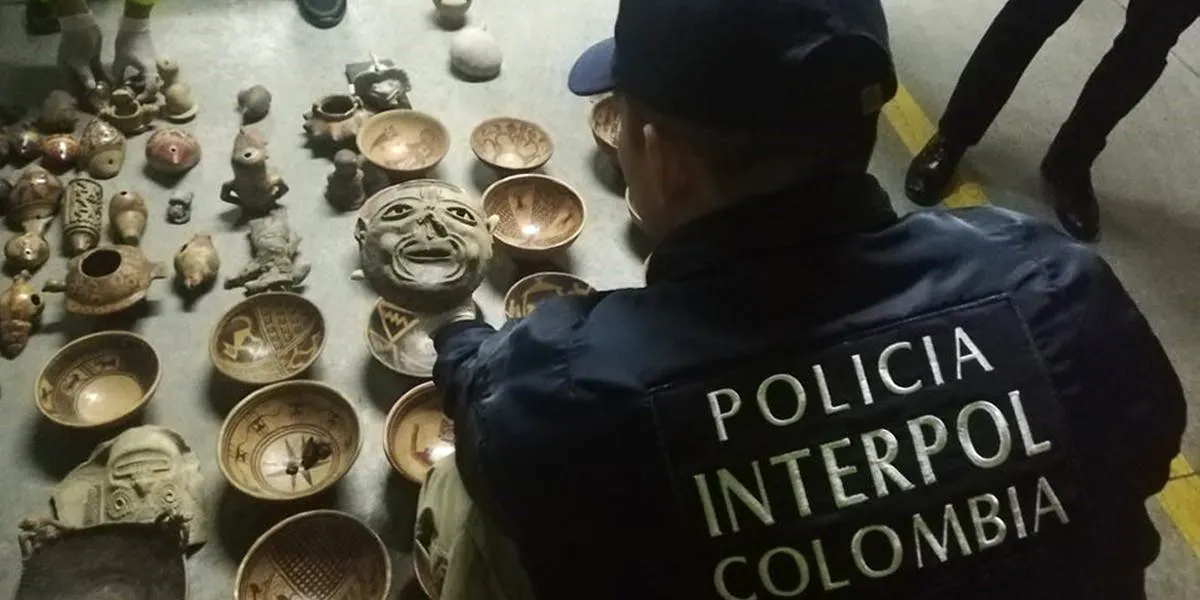
The outcome of a global operation led by Interpol (The International Criminal Police Organization), Europol (European Union Agency for Law Enforcement Cooperation) and the World Customs Organization in autumn of 2019 has only been revealed now "for operational reasons". Deployed in 103 countries to dismantle international networks of traffickers of artworks and antiques, this massive roundup has recovered more than 19,000 looted objects and arrested 101 suspects.
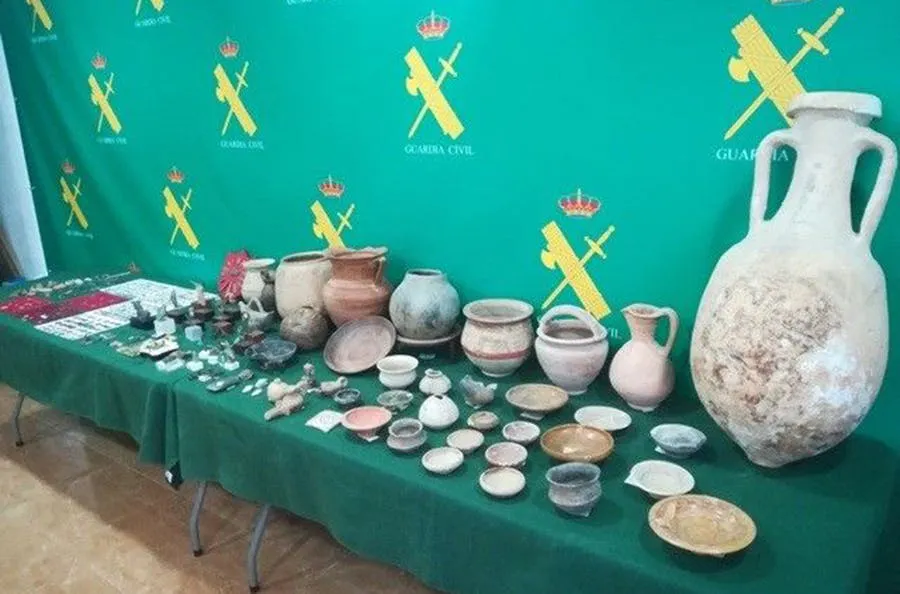
The artifacts were either looted from war-torn countries or stolen from museums and archaeological sites. The seizure included ancient coins, archaeological pieces, ceramics, weapons, paintings and fossils. Devices used by traffickers to commit their crimes, such as metal detectors, were also discovered.
According to a press release published on the Interpol website, it is on the web where a lot of this is happening. With the Internet playing a major role in the illicit trade in cultural objects, organizations have set up a ‘cyber patrol’, a system for monitoring online sales sites and market places. In one week, the experts were able to map active targets and collect information, leading to the seizure of 8,670 cultural objects offered online, or 28% of the total assets found.
See also: New Secrets Revealed About Girl with a Pearl Earring
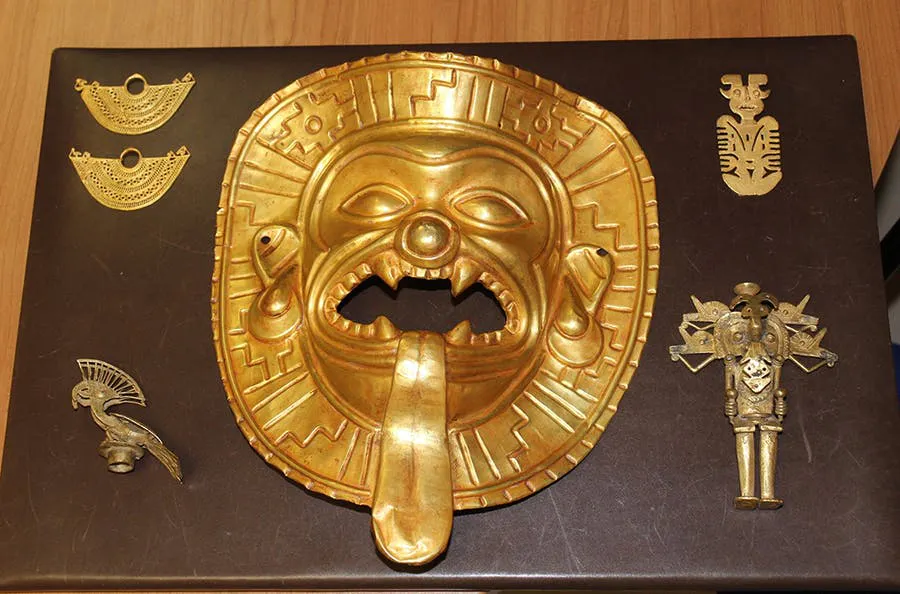
Three traffickers were arrested in Spain, while searches in Bogotá resulted in the largest seizure of cultural property ever in the history of the country, with 242 pre-Columbian objects collected. Some pre-Columbian rarities were saved at Barajas airport, including a gold Tumaco mask (a one of a kind item) and several figurines and antique gold jewelry.
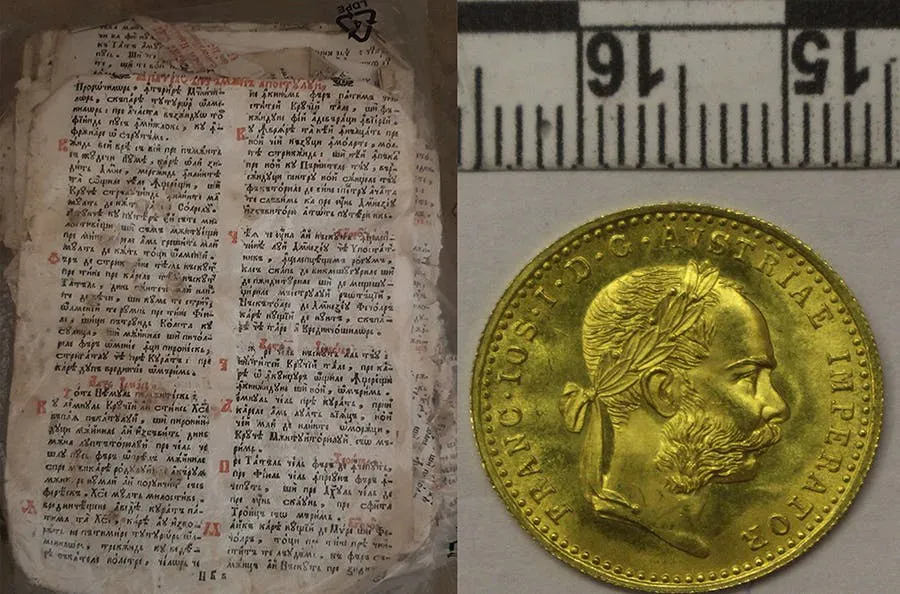
The Argentine federal police seized 2,500 old coins during an investigation based on a single online sale, and the Latvian state police seized an additional 1,375 coins.
A total of 971 cultural objects were recovered in extremis at Kabul airport by customs, when they were leaving national territory for Istanbul, Turkey.
Add to all this 800 metal detectors, testifying that the looting of archaeological sites in Europe unfortunately isn’t running out of steam.
See also: A UNESCO Church in Haiti Burns
Initiated in the greatest secrecy, these actions were carried out within the framework of operations ‘Athena II’, directed by the WCO and Interpol, and ‘Pandora IV’, which was focused on Europe and coordinated by the Spanish Guardia Civil and Europol.
See also: Museum Returns a $10 Million Picasso
"The number of arrests and objects show the scale and global reach of the illicit trade in cultural artifacts, where every country with a rich heritage is a potential target,” said Interpol Secretary General Jurgen Stock. "If you then take the significant amount of money involved and the secrecy of the transactions, this also presents opportunities for money laundering and fraud as well as financing organized crime networks.”
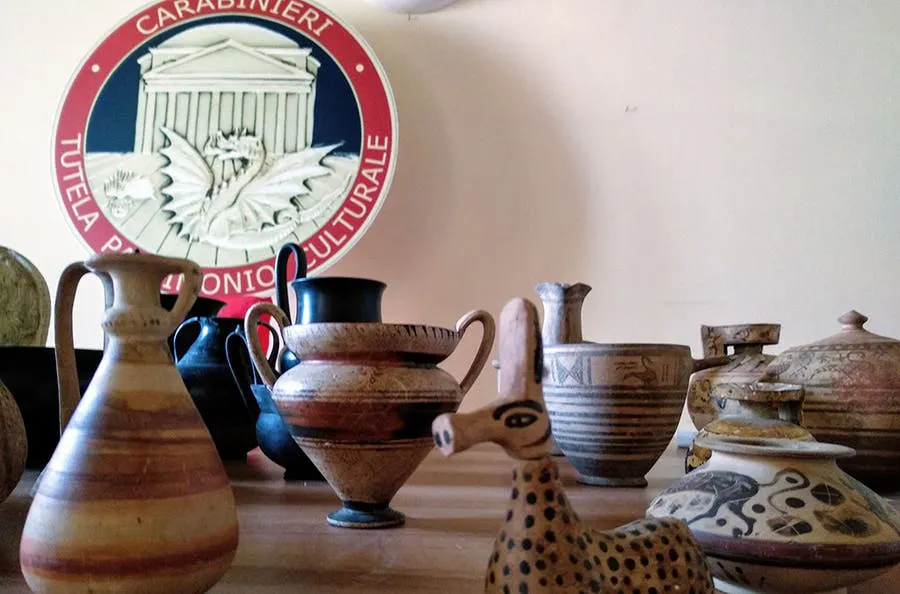
If Interpol, the WCO and Europol joined forces on this occasion, it was not the first time. Given the scale of the illegal activities observed during operations Athena II and Pandora IV, a cultural coordination unit (UCO) was established to further combat the destruction of cultural heritage. Managed jointly by the three organizations, UCO is active 24 hours a day and facilitates the exchange of information, the dissemination of alerts, and performs checks on various international and national databases.