For centuries, Black artists have fought and persevered against racism, inequality, and sexism, elements of which have manifested themselves in their art, and thus reimagined the traditional art history canon. From early 19th century pioneers, like Edmonia Lewis and Henry Ossawa Tanner, who paved the way with international success, to contemporaries like Kerry James Marshall and Kara Walker, Black artists continue to reveal, tackle and dismantle injustices through their innovative work.
Here are 14 of the most influential Black artists:
Edmonia Lewis
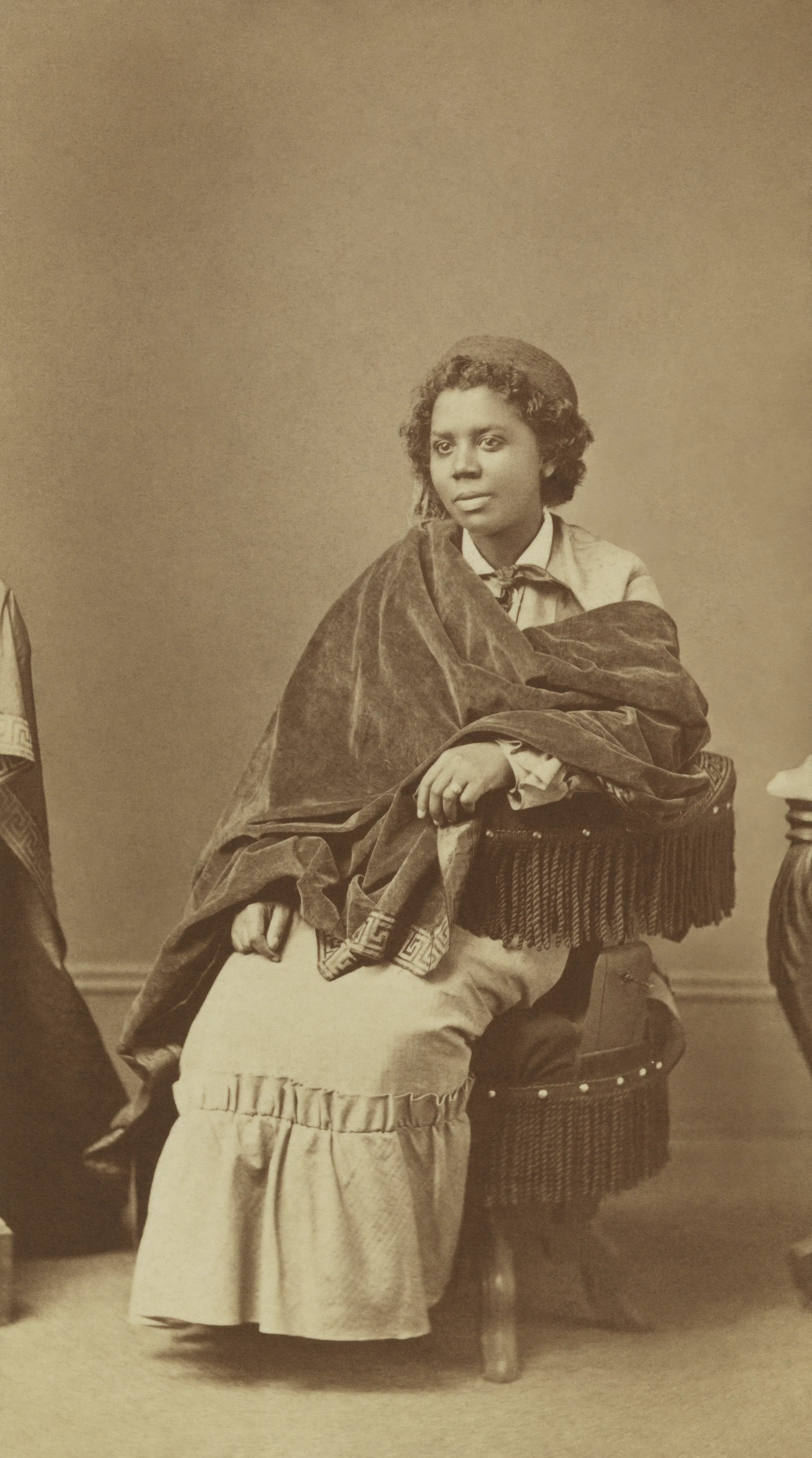
The first African American female artist of international renown, Edmonia Lewis (1844-1907) was born to parents of Afro-Haitian and Native American descent in New York and attended Oberlin College, the first co-ed college to accept Black women. After Oberlin, she moved to Boston where she studied under Edward James Brackett, who specialized in marble busts of abolitionists, which would also become Lewis' speciality.
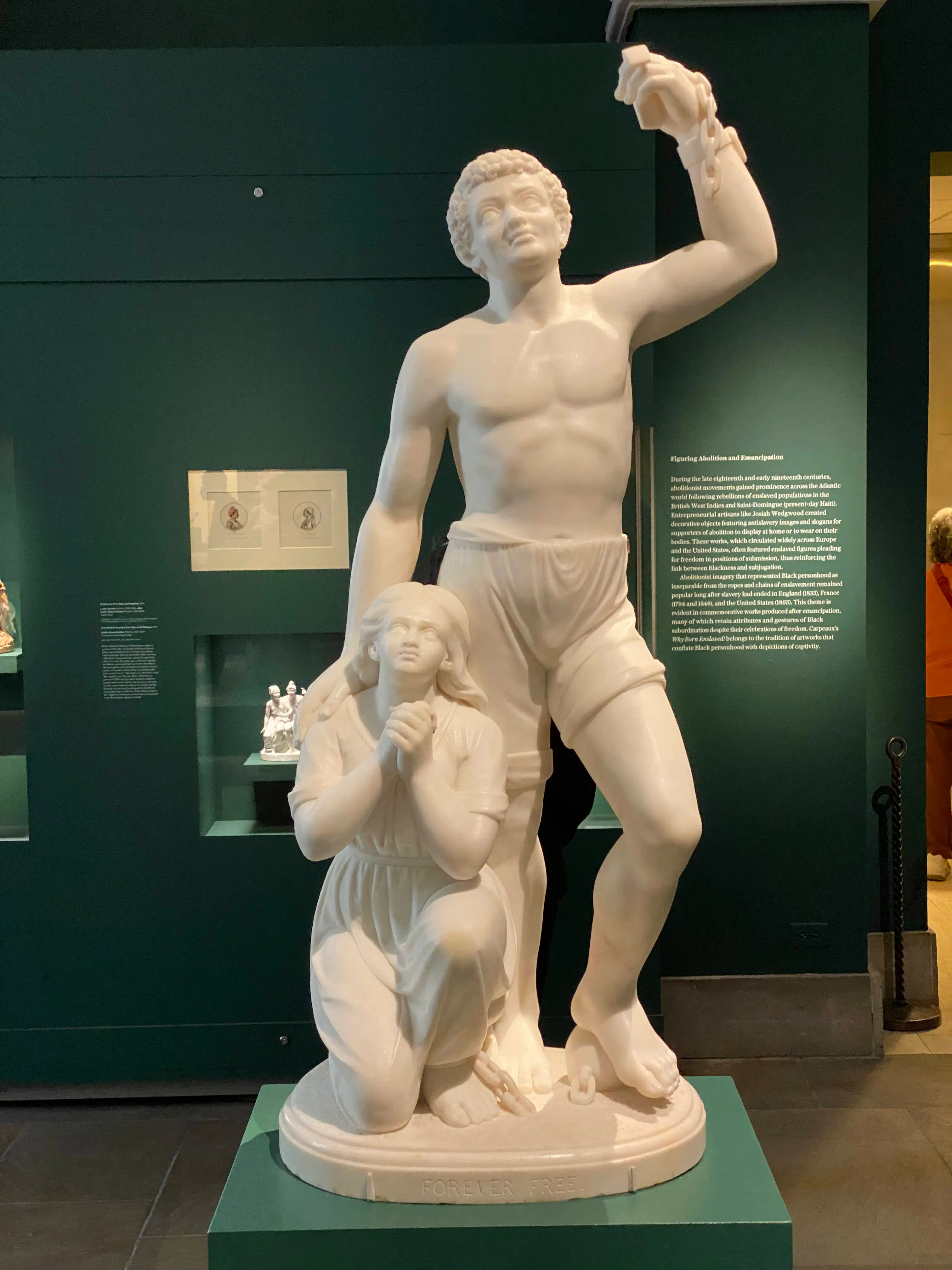
After finding financial success with her sculptures, she moved to Rome in 1866, where she was inspired by Renaissance and neoclassical sculpture, but kept Black, abolitionist and Native American figures as her subjects. She exhibited at the Philadelphia World's Fair in 1876 and was later commissioned by former President Ulysses Grant to sculpt his bust. Today, her marble sculptures are found at the Metropolitan Museum of Art and the Smithsonian, and they achieve hundreds of thousands of dollars at auction.
Related: 12 Women Who Rocked the Art World
Henry Ossawa Tanner
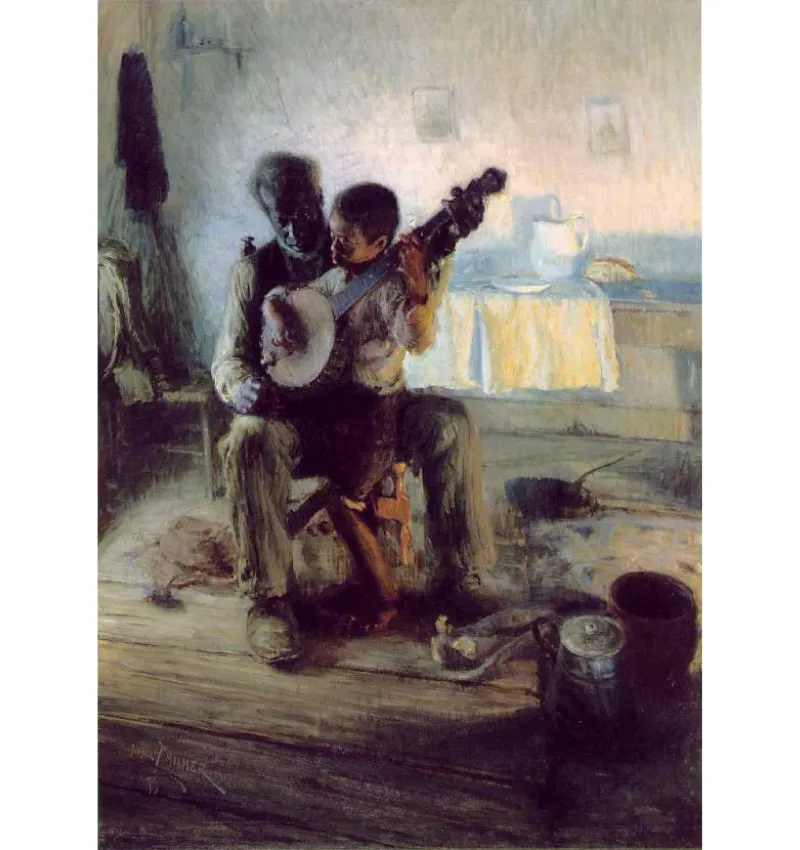
Born to a Black bishop father and a mother who escaped slavery via the Underground Railroad, Henry Ossawa Tanner (1859-1937) was the only Black student at the Philadelphia Academy of Art under the tutelage of realist Thomas Eakins, one of his greatest mentors. He faced painful discrimination as Black southerners moved into northern cities like Philadelphia during the Great Migration. He relocated to Paris in 1891, where he would remain for the rest of his life. The bulk of his oeuvre focused on Biblical scenes, but he also rendered African American life sensitively, as in his most famous work The Banjo Lesson (1893), painted on a trip home to the US. He was awarded the Legion of Honor in 1923, the highest honor for civil merit in France, and today his works hang in the White House and the Musee d'Orsay.
Related: 6 Iconic American Paintings
Alma Thomas
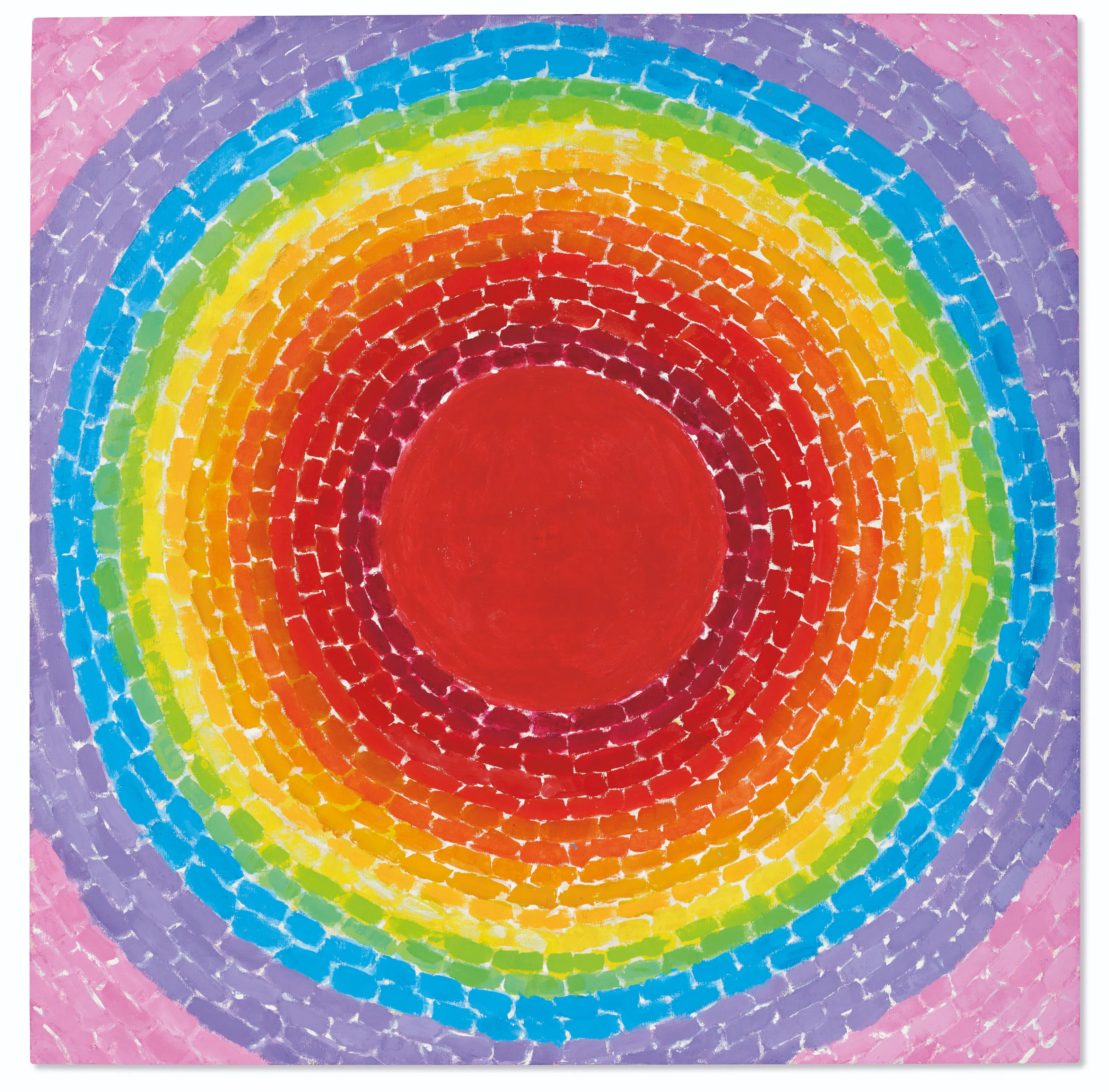
As a Black female artist and member of the Washington Color School, Alma Thomas (1891-1978) charted her own path in Abstract Expressionism, diverging from the figurative artwork of many of her contemporaries. Her mosaic-like works combine brilliant colors fractured into smaller, geometric shapes. At age 80, she was the first Black woman to have a solo exhibit at the Whitney Museum of American Art in 1972. Today, her spectacular kaleidoscopic works hang in the White House and the Met. A Fantastic Sunset sold for $3.9 million at Christie's in 2023, making Thomas one of the most expensive Black female artists.
Augusta Savage
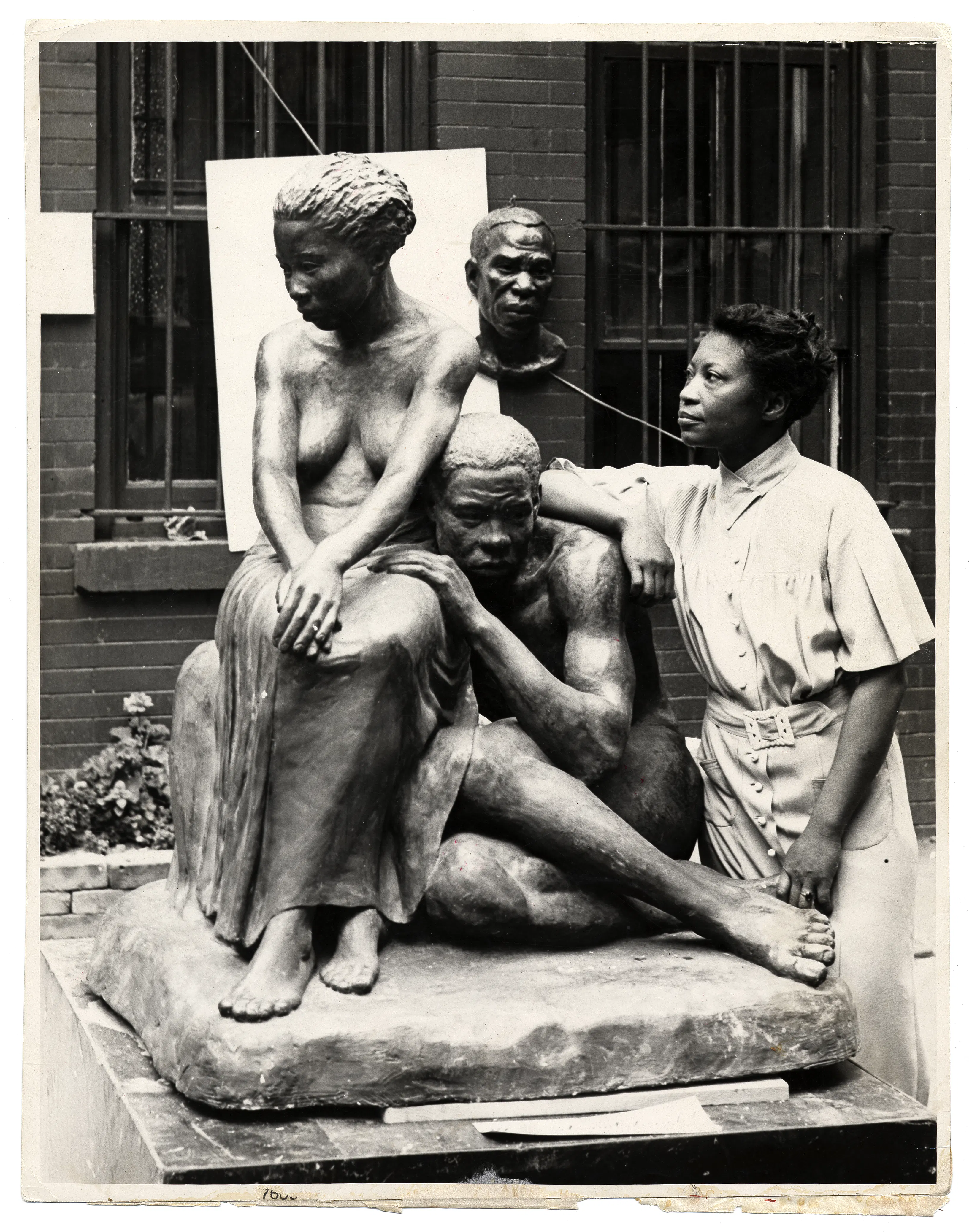
A clay modeling class in high school spurred Augusta Savage (1892-1962) onto the stage as a prolific sculptor and lifelong civil rights activist. She attended Cooper Union in New York and received high-profile commissions to sculpt busts of influential Black leaders, including W.E.B. Du Bois and Marcus Garvey. She studied in Paris in the 1920s, and upon her return to New York, she opened her own school in Harlem, where she taught Jacob Lawrence and became a leading figure of the Harlem Renaissance. Her sculpture, Lift Every Voice and Sing (renamed The Harp,) was the pièce de résistance of the 1939 New York World Fair.
Related: Ten Black Female Artists You Should Know
Lois Mailou Jones
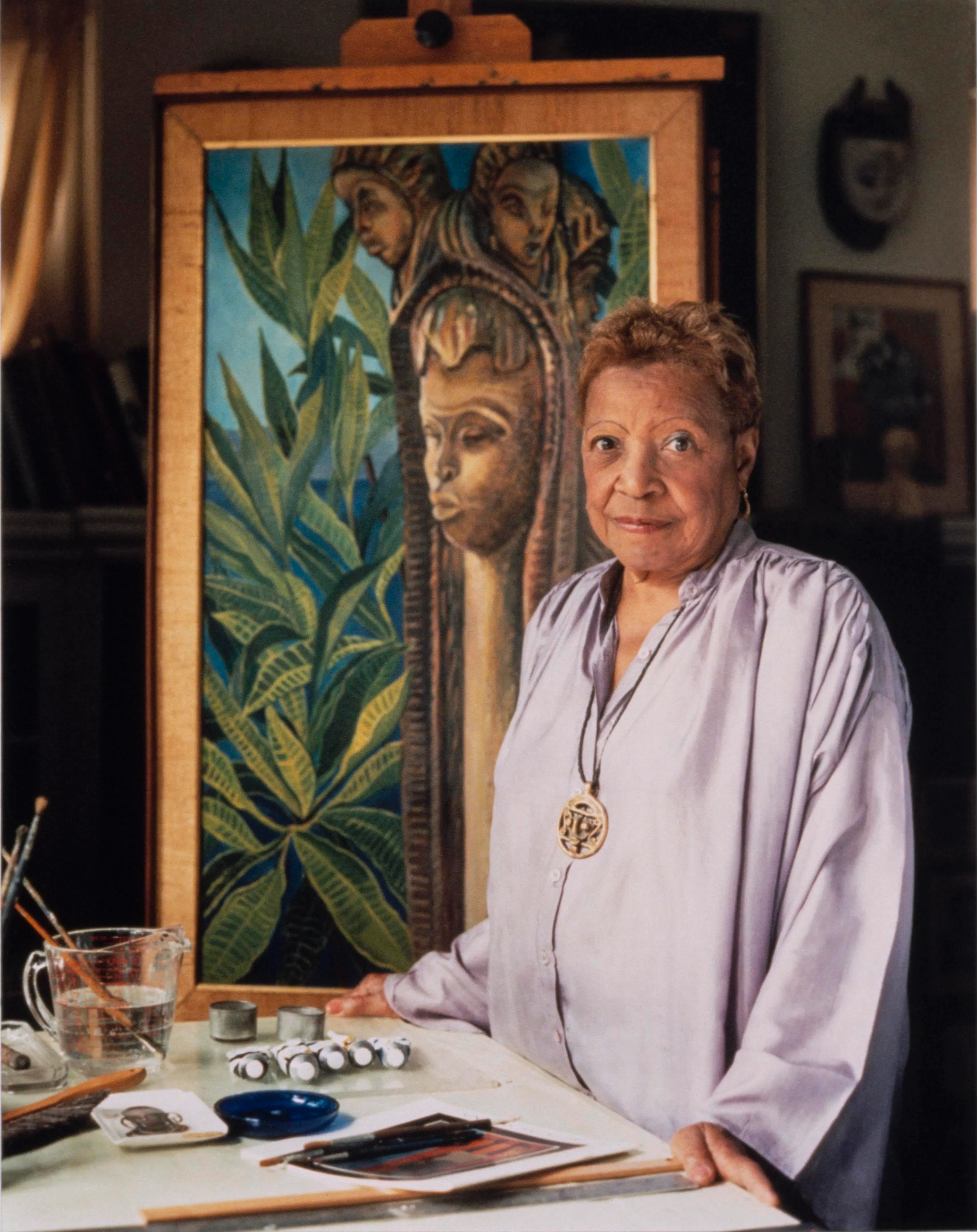
Like Henry Ossawa Tanner, Lois Mailou Jones (1905-1998) was born in the US, but lived and worked for many years in France. Her paintings, textiles, and watercolors culled inspiration from African masks, the Harlem Renaissance, Impressionism, her extensive travels to Africa and Haiti, and modern African-American life. This vast synthesis of influence has made Jones one of the most celebrated artists, with works hanging in the Met and the Smithsonian.
Related: Lois Mailou Jones: Inimitable Fusion of Cultures
Gordon Parks
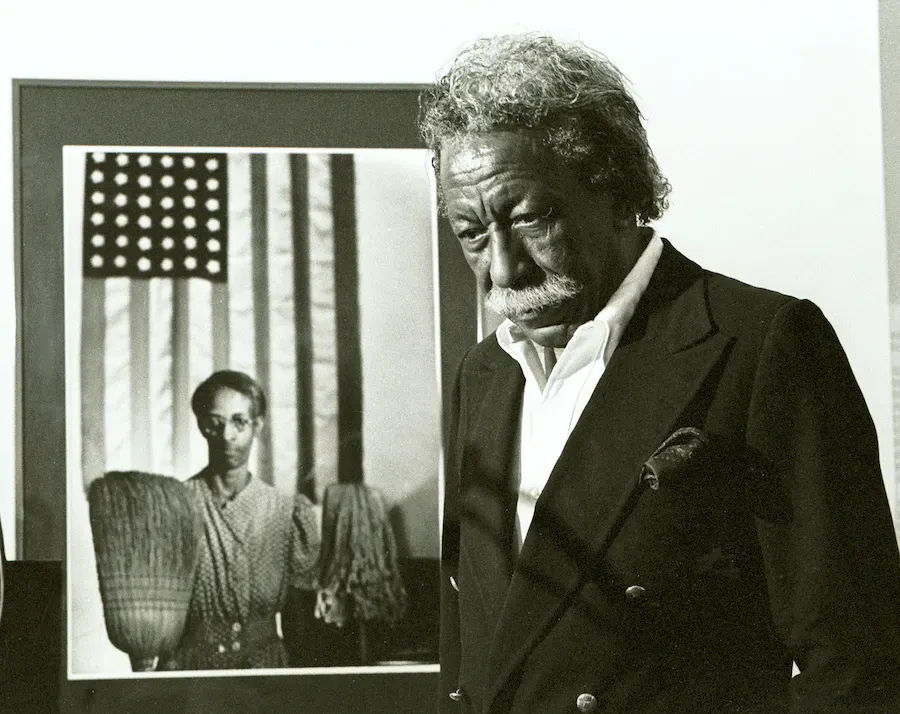
Gordon Parks (1912-2006) was one of the first photojournalists and film directors to honestly capture the Black experience in photography and film. He was hired by the Farm Security Administration (FSA) to photograph American life during the Great Depression, and he focused especially on African Americans. He would later become one of the first Black fashion photographers for Vogue and was later hired by Life, where he wrote and photographed essays, and co-founded Essence magazine. Parks was Hollywood's first highly acclaimed Black director and is credited with inventing the "blaxploitation" genre in the 1970s, films that predominantly centered on African-American life and featured Black actors.
Related: 'The Fashion Bible’: A History of Vogue Magazine
Jacob Lawrence
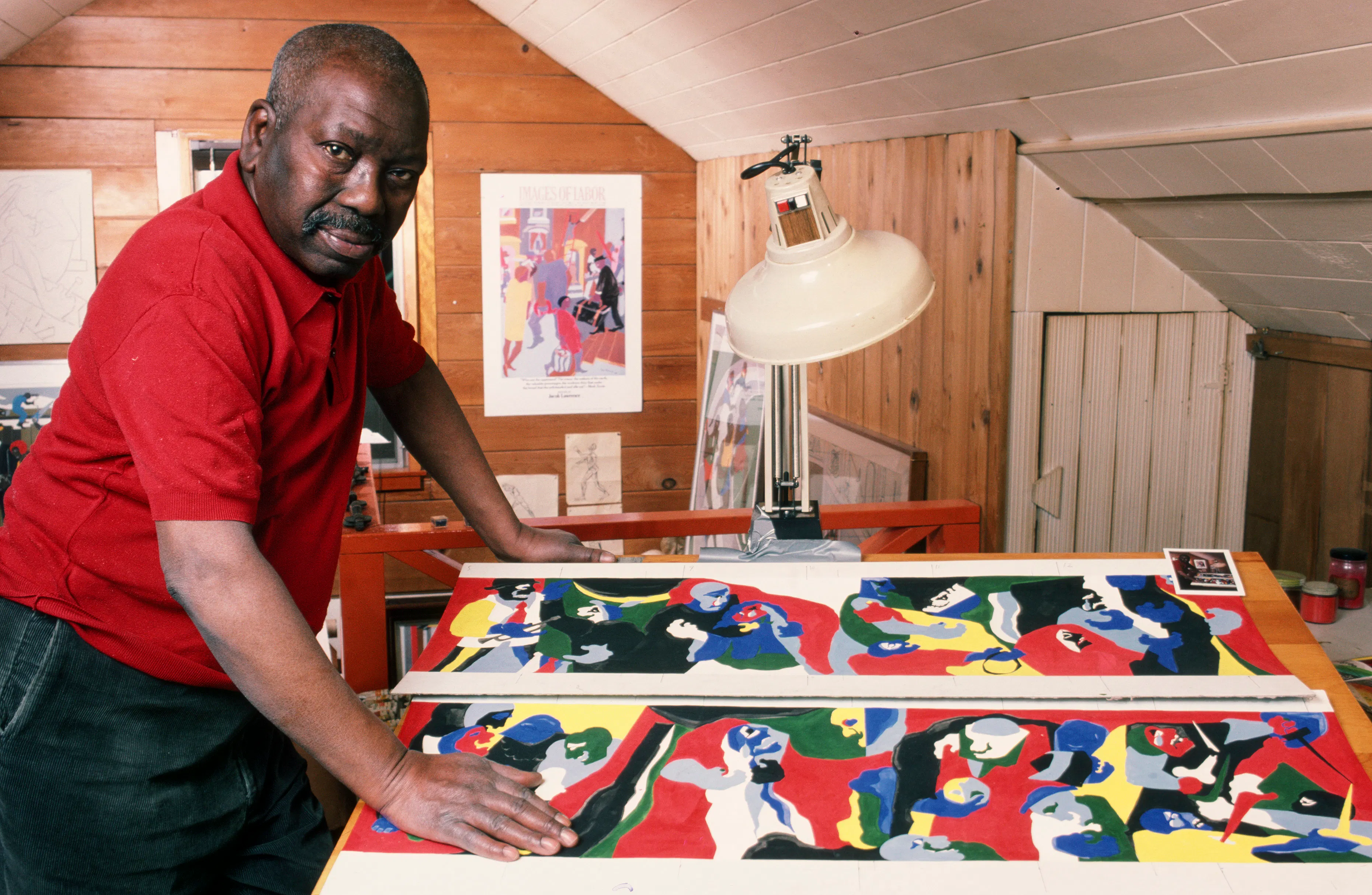
Jacob Lawrence (1917-2000) chronicled African-American history and life through his Cubist-inspired artworks. When he was just 23, he started work on his masterpiece, the Migration Series, a set of 60 panels depicting the migration of African Americans from the southern states to the northern cities between 1910-1930. His work would continue to rethink American history and the current Black experience with abstract and flattened shapes, primary color, and dynamic movement. He was the first Black artist to have a retrospective at MoMA in 1940. Today, his works hang in major museums, such as the Met and the National Gallery of Art.
Faith Ringgold

Faith Ringgold (1930-2024) grew up in Harlem in the midst of the Harlem Renaissance, where the art, music, and literature inspired her work. She actively dealt with issues of racial injustice and feminism through her paintings and murals, but by the 1980s she moved away from these mediums into quilting. She made the quilt her canvas for telling the stories of Black women, both historical and fictional, who defied their societal position, in fabrics rich in detail and color. Her work is represented in many major museums like the Guggenheim and MoMA, and her narrative quilts sell for hundreds of thousands of dollars at auction.
Related: 5 Feminist Masterpieces
Sam Gilliam

The first Black artist to represent the US at the Venice Biennale in 1972, Sam Gilliam (1933-2022) introduced the concept of a free-flowing canvas, breaking the notion that paintings had to be framed. His vast canvases splattered and dyed with paint, inspired by hanging laundry, are exhibited in museums and galleries across walls and from the ceiling. Although he is best known for these tie-dyed canvases and acrylic works that glow with jewel-toned color, his work also includes large-scale aluminum sculptures and quilted painting.
Want more articles like this straight to your inbox? Subscribe to our free newsletter here!
Kerry James Marshall
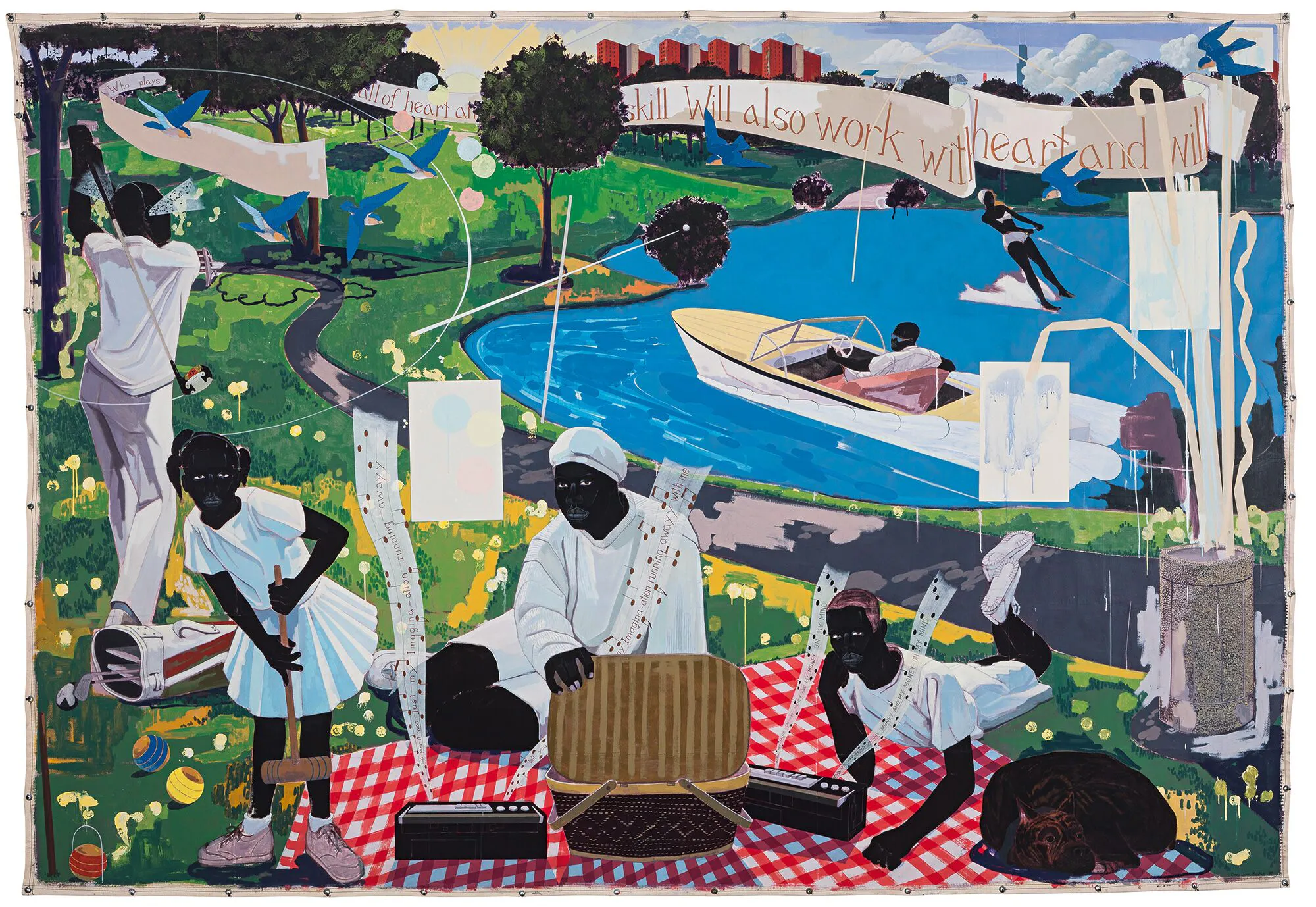
Related: Kerry James Marshall: Writing a New History
Contemporary artist Kerry James Marshall (b. 1955) explores and interweaves African-American historical references and contemporary societal issues in his work. Marshall, who was born in Birmingham, Alabama and raised in Los Angeles, uses collage, graffiti, and paint in his powerful canvases, which showcase and challenge racial stereotypes and the absence of Black America in art. Marshall was awarded a MacArthur Foundation Genius Grant in 1997 and became the most expensive Black living artist in 2018, when his painting Past Times (1997) sold for $21.1 million at Sotheby's.
Jean-Michel Basquiat
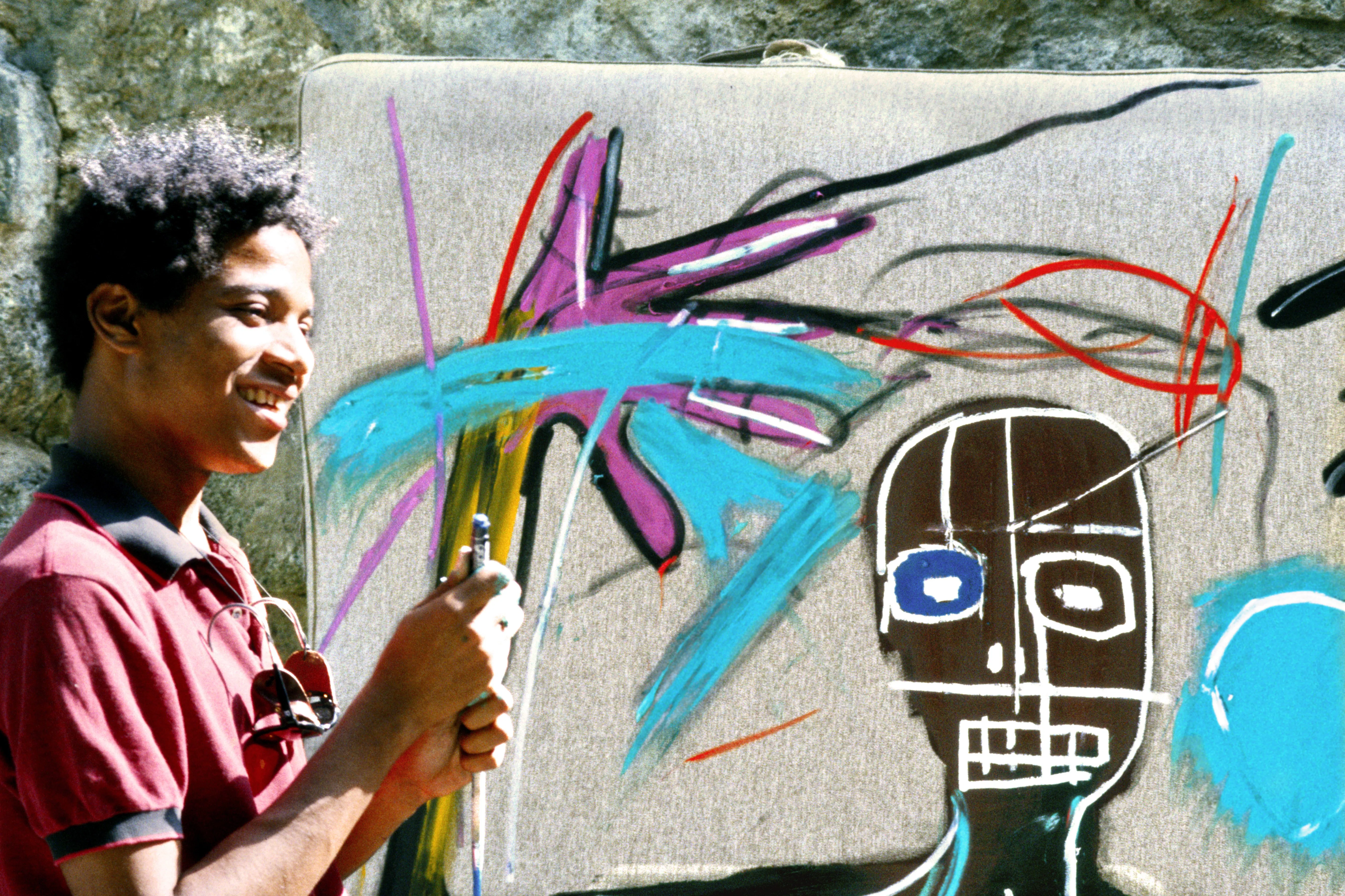
The work of Jean-Michel Basquiat (1960-1988) directly combated racism, colonialism and income inequality through his characteristic compositions that fused text, abstract shapes, figures, numbers, and symbols. Basquiat used his art to reflect Black culture and the Black heroes he admired, challenging Western art history, injustice, and institutionalized racism. He become the most expensive Black artist when Untitled (1982) sold at Sotheby's in 2017 for $110.4 million, one of the most expensive artworks ever auctioned.
Related: Jean-Michel Basquiat: The Radiant Child
Kara Walker
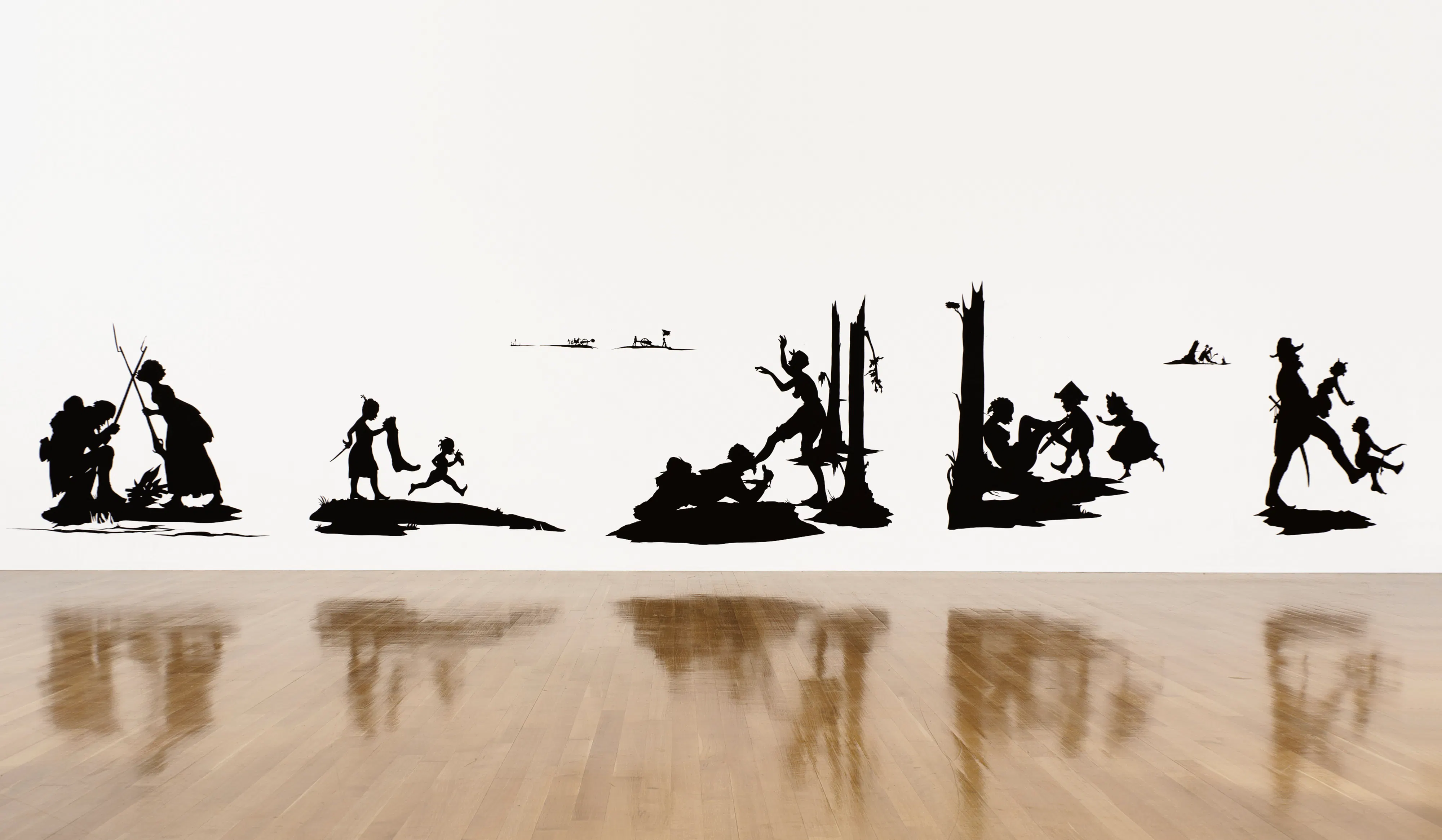
Related: Kara Walker: 5 Facts to Know
The second youngest person to ever receive the MacArthur Fellowship at age 27, Kara Walker (b. 1969) explores the relationship between race and feminism in her work. Her large-scale black and white silhouettes reinvent the early 19th century tradition of cutting portraits to instead depict historic scenes from slave narratives. The powerful friezes command six-figure prices at auction and have been exhibited at the Whitney and the Tate.
Julie Mehretu

Born in Ethiopia and raised in Michigan, Julie Mehretu (b. 1970) has long been fascinated by urban layout, street grids, and human geography in her work. Her frenetic abstracts recall maps and buildings in cities like Cairo, Istanbul and Baghdad, exploring 21st century migration and settlement. In November 2023, her ink and acrylic Walkers With the Dawn and Mornings (2008) sold for $10.7 million at Sotheby's, making her the most expensive Black female artist and African-born artist.
Kehinde Wiley
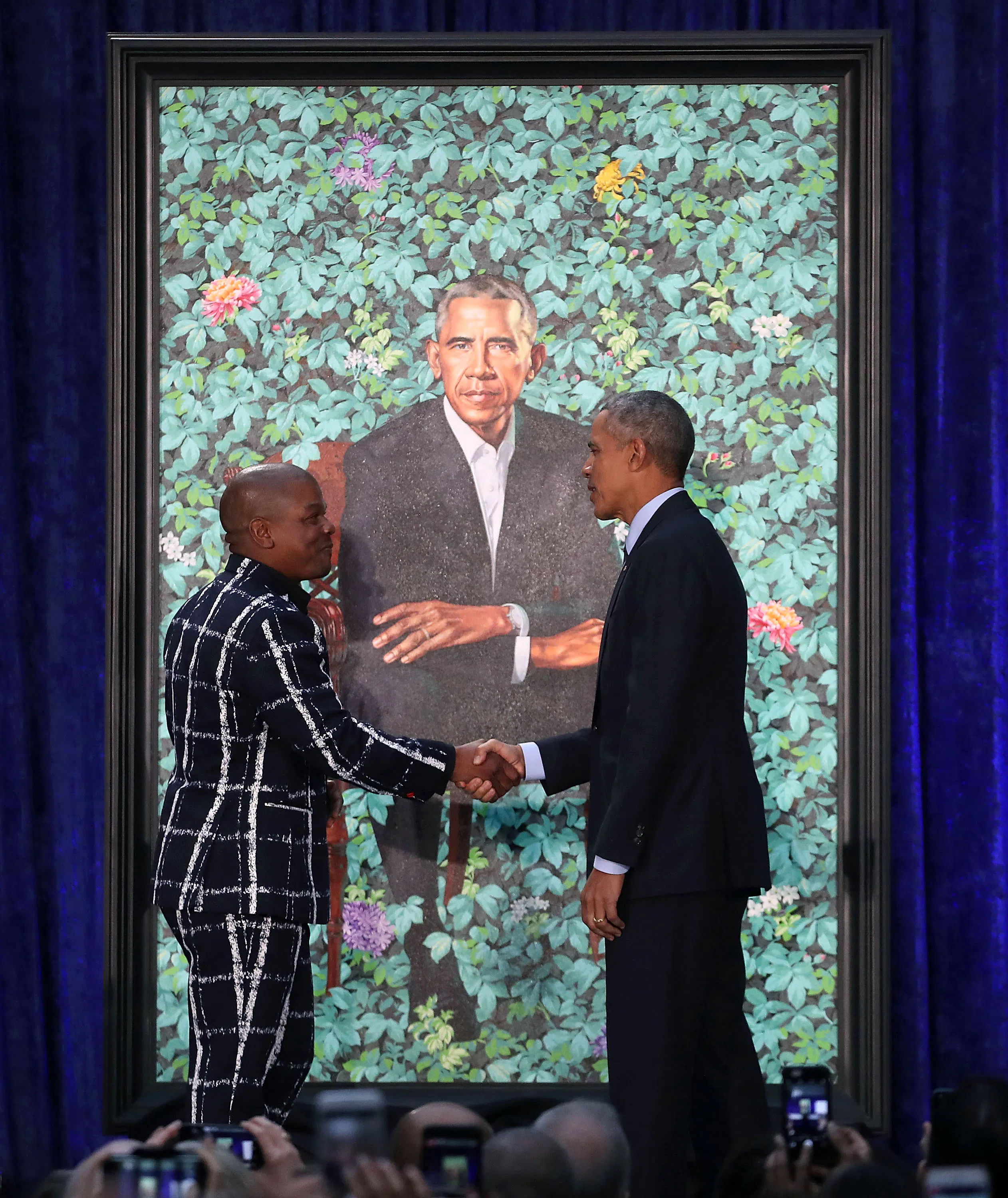
Related: Kehinde Wiley: Making a Colorful Difference
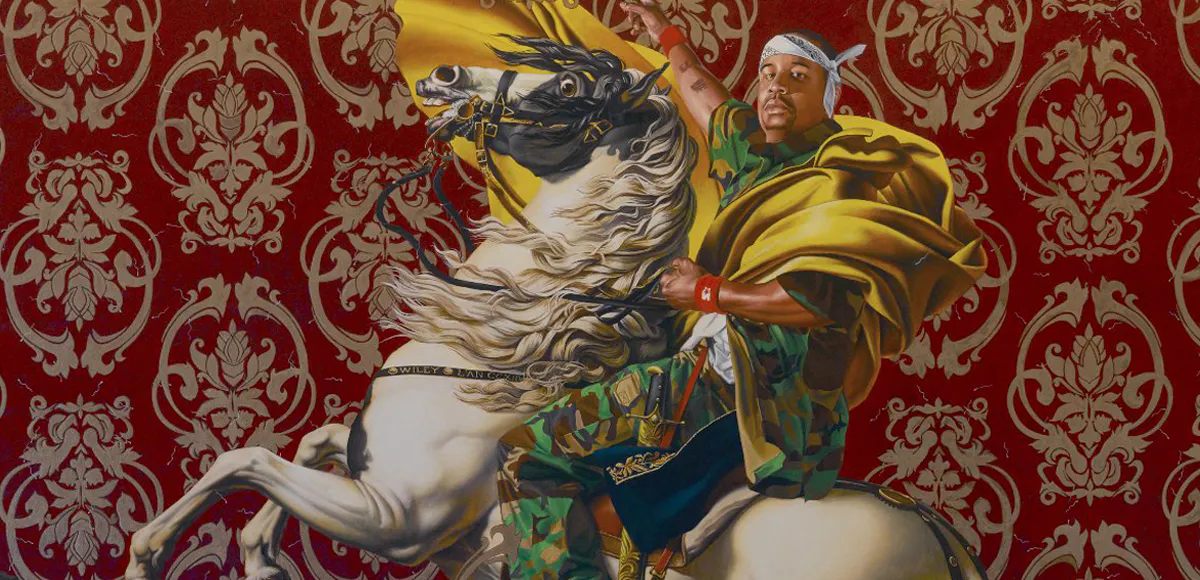
The Nigerian-American contemporary artist's work has reimagined the Western canon of art history with the Black man and woman at the center. Kehinde Wiley (b. 1977) combines poses and subjects of Old Master and historical portraits with influences of street art and colorful textiles. One of his most celebrated works is Napoleon Leading the Army over the Alps (2005), inspired by Jacques-Louis David's painting of Napoleon, replacing Napoleon with a young Black man garbed in contemporary streetwear, which now hangs at the Brooklyn Museum. In 2017, he was tapped to paint President Obama's official portrait for the National Portrait Gallery, the first Black artist to paint an official presidential portrait.