![Leonardo Da Vinci, ‘Mona Lisa’ [detail], 1503-06, Department of Paintings of the Louvre. Photo public domain](https://images.prismic.io/barnebys/1fc21453-719c-4ece-92a7-05b4d2543d5c_Cover+new.jpg?auto=format,compress)
Art theft is not a new phenomenon. As early as ancient Egypt, thieves broke into the graves of their deceased rulers to plunder their buried goods. And this was at a time when there was not only a threat of a long prison term, but also of eternal damnation.
Not infrequently, however, thieves do not steal for themselves but for a client who would like to call the world-famous works his or her own or else secretly sell them. Here are ten major examples of the unfortunately many art thefts taken place over the 20th and 21st centuries.
10. 1911 – Louvre, Paris
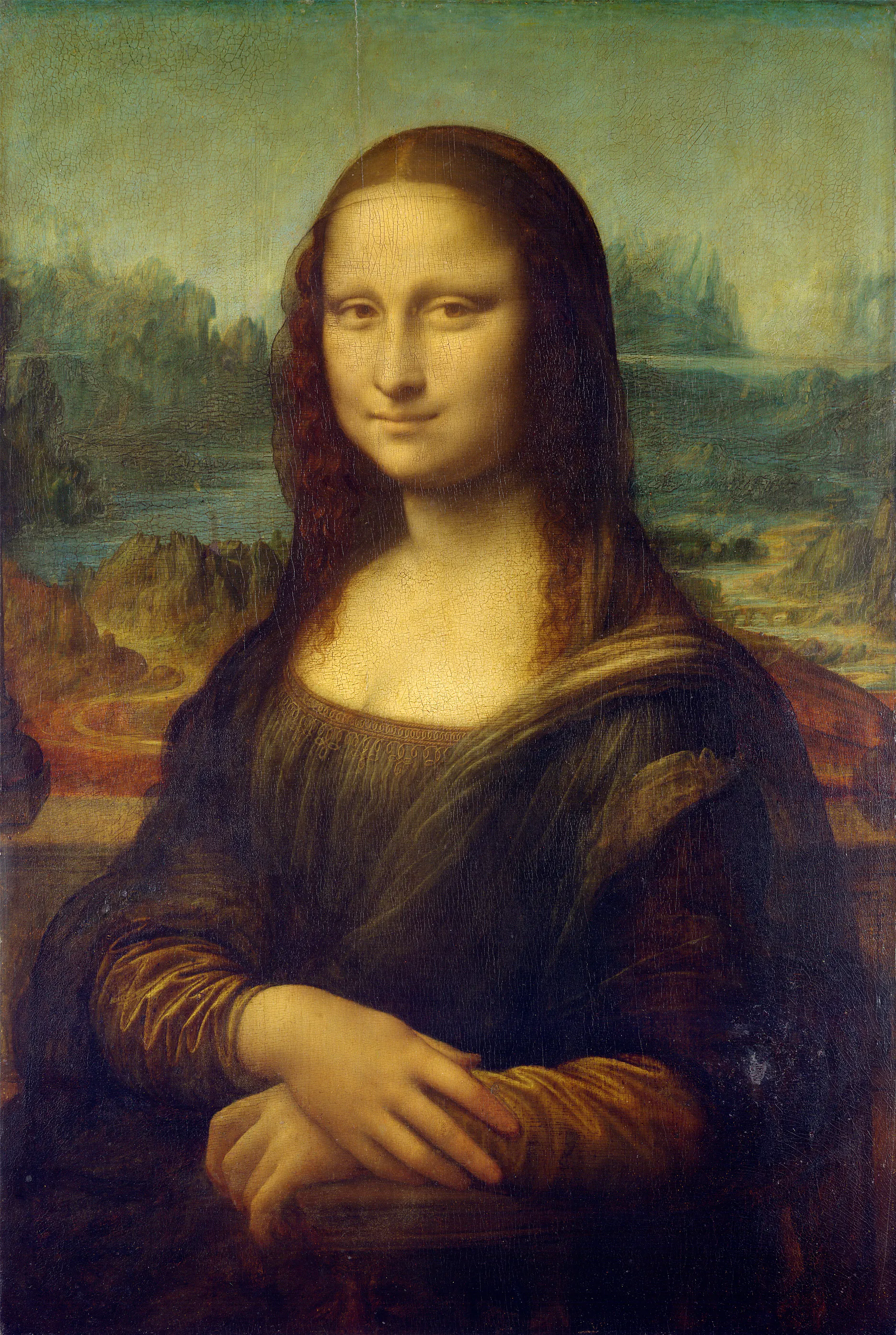
The first case is also the most famous: the robbery of the Mona Lisa from the Louvre in Paris on August 21, 1911. For two years, the police were in the dark. At times, even Pablo Picasso came under suspicion.
Related: The 10 Most Scandalous Artworks
Eventually, it turned out that a casual thief from Italy, who worked as a house painter in Paris, had stolen the painting by having himself locked in the museum at night and walking out of the Louvre with it in the morning by hiding it rolled up under his coat. His motive: he wanted to bring Leonardo da Vinci's work "home to Italy". His potential buyers, who exposed him, were his undoing. Although the Mona Lisa was known even before the theft, it was the incident that made her truly famous.
9. Since 1966 – Dulwich Picture Gallery, London
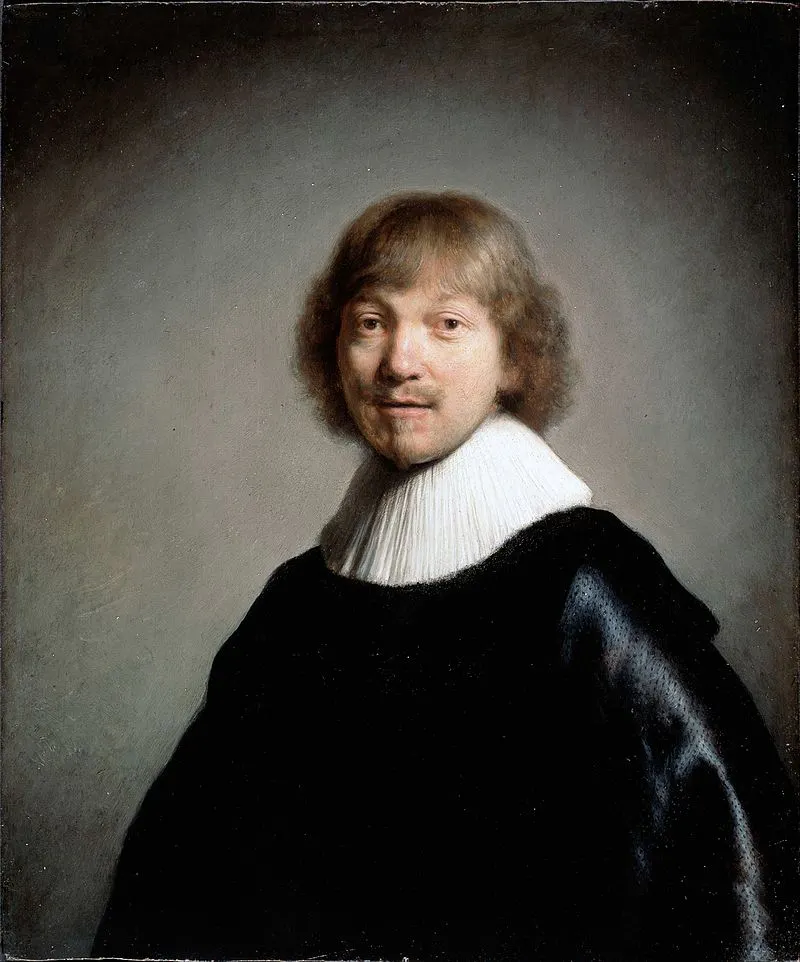
Rembrandt's portrait of the Dutch engraver Jacob de Gheyn III was created in 1632 and hangs – mostly – in the Dulwich Picture Gallery in south London. Why ‘mostly’? Only because the painting has been stolen from the museum four times. This not only earned the work an entry in the Guinness Book of Records as the most stolen painting in the world, but also the name ‘takeaway Rembrandt’. The last theft took place in 1983.
8. 1990 – Isabella Stewart Gardner Museum, Boston
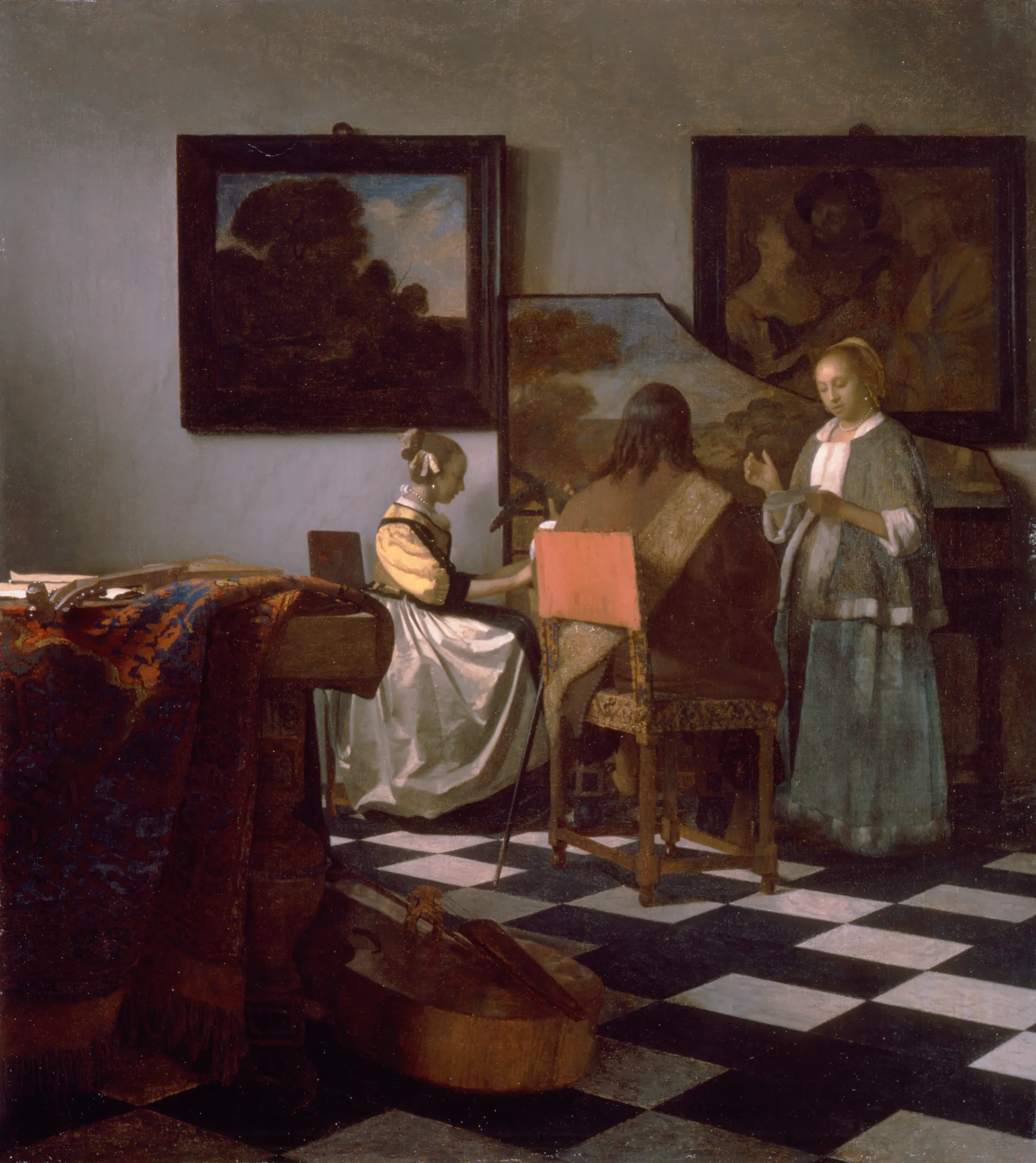
In 1990, an apparently large-scale art theft at the Isabella Stewart Gardner Museum in Boston caused a worldwide sensation. A total of thirteen works were stolen: five by Edgar Degas, three by Rembrandt, one each by Jan Vermeer, Édouard Manet and Govert Flinck, as well as a Chinese vase and a bronze eagle. The thieves came to the museum disguised as policemen, and the whereabouts of the works has not yet been clarified. In memory of the theft, the empty frames of the stolen pictures hang on the walls of the museum of art patron Isabella Stewart Gardner, which opened in 1903.
7. 1991 – Van Gogh Museum, Amsterdam
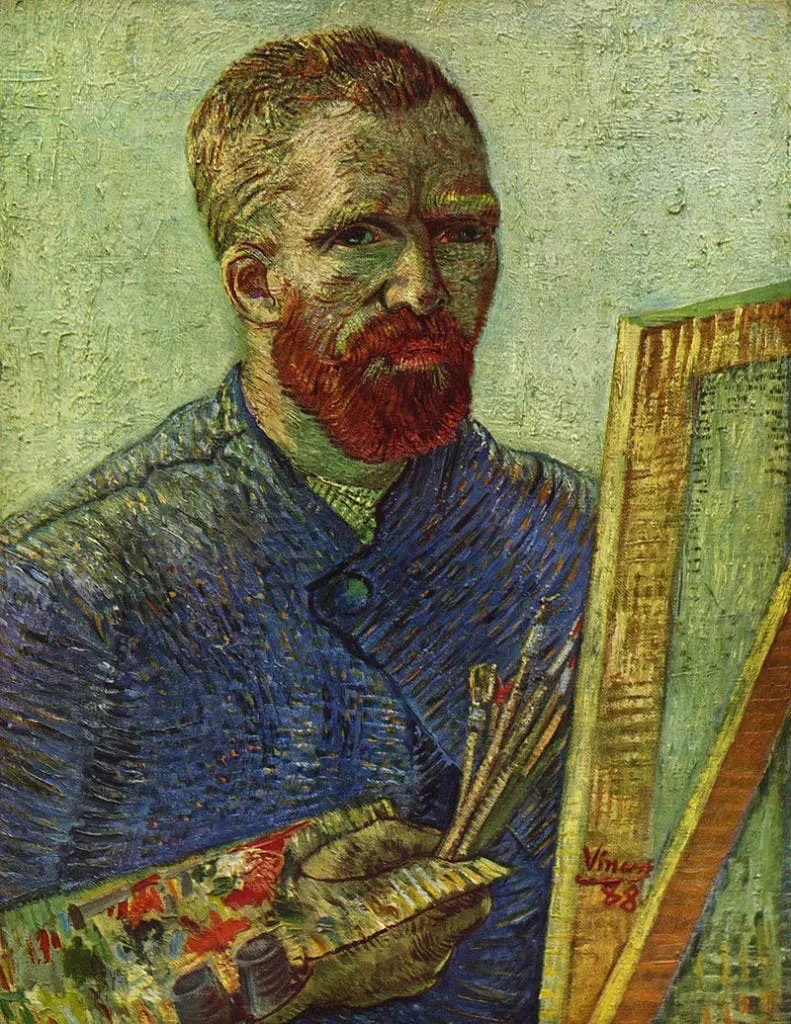
A year after the incident in Boston, there was a serious case of art theft at the Van Gogh Museum in Amsterdam. This time, the thieves were able to take twenty works, including Vincent van Gogh's self-portrait from 1888, which shows the artist in front of an easel. However, the thieves did not get far. Thanks to a flat tire on their getaway car, the police were able to recover the paintings an hour after the theft.
6. 1994 – Schirn Kunsthalle, Frankfurt
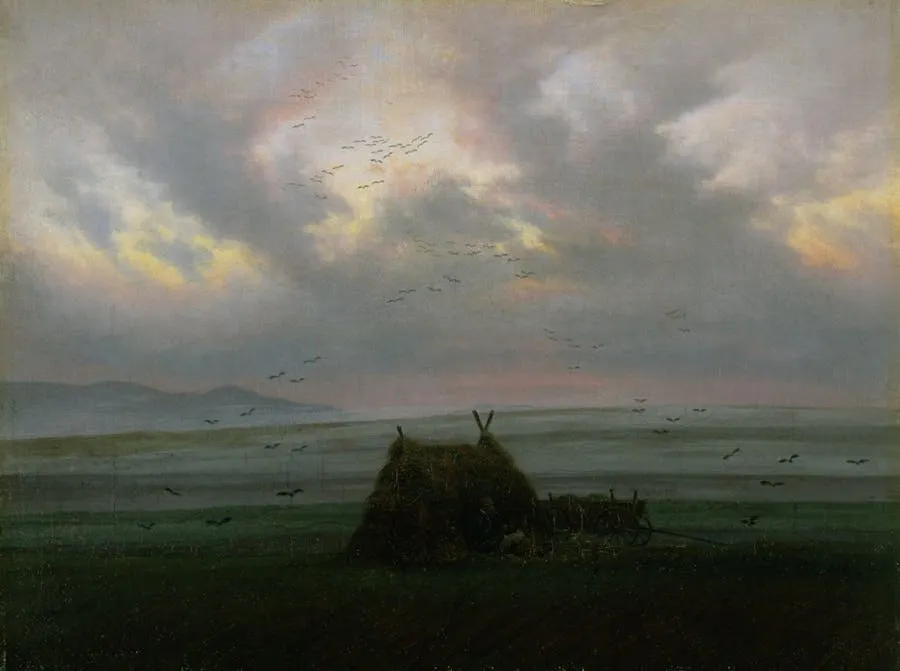
A true art thriller developed from the robbery of three paintings from the Schirn Kunsthalle in Frankfurt on July 28, 1994, which went down in the annals as the largest art theft in German history. Two paintings by William Turner, which had come to Frankfurt on loan from London’s Tate Gallery, and the painting Fog by Caspar David Friedrich, on loan from the Hamburger Kunsthalle, were stolen.
Related: The Top 10 Stolen Masterpieces
The Yugoslav mafia, which demanded a ransom, turned out to be the culprit. Scotland Yard intervened with ‘Operation Cobra’, which followed. To cut it short, through undercover agents and the payment of various funds, all three works were returned to their original owners.
5. 2002 – Van Gogh Museum, Amsterdam
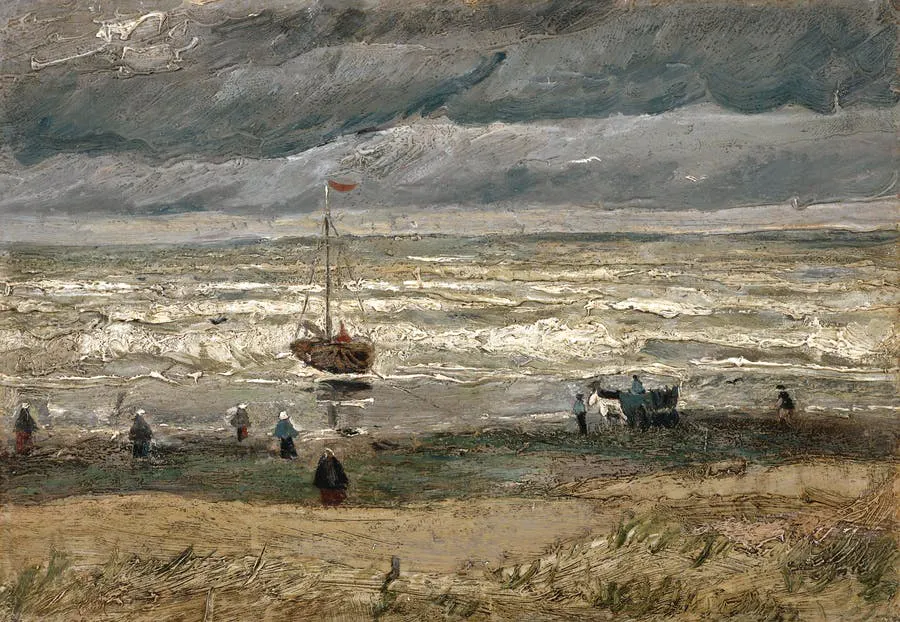
After the detour to Germany, we return to the Van Gogh Museum in Amsterdam. This case also leads us into the mafia, but this time into the Italian one. On behalf of the boss of the Neapolitan Camorra, the works Beach at Scheveningen in Stormy Weather and Congregation Leaving the Reformed Church at Nuenen were stolen from the museum in 2002. Fourteen years later, they were found again by the police in the country estate of the mafia boss, south of Naples. Due to the high level of public awareness of the paintings, their sale likely proved too difficult.
4. 2003 – Drumlanrig Castle, Thornhill
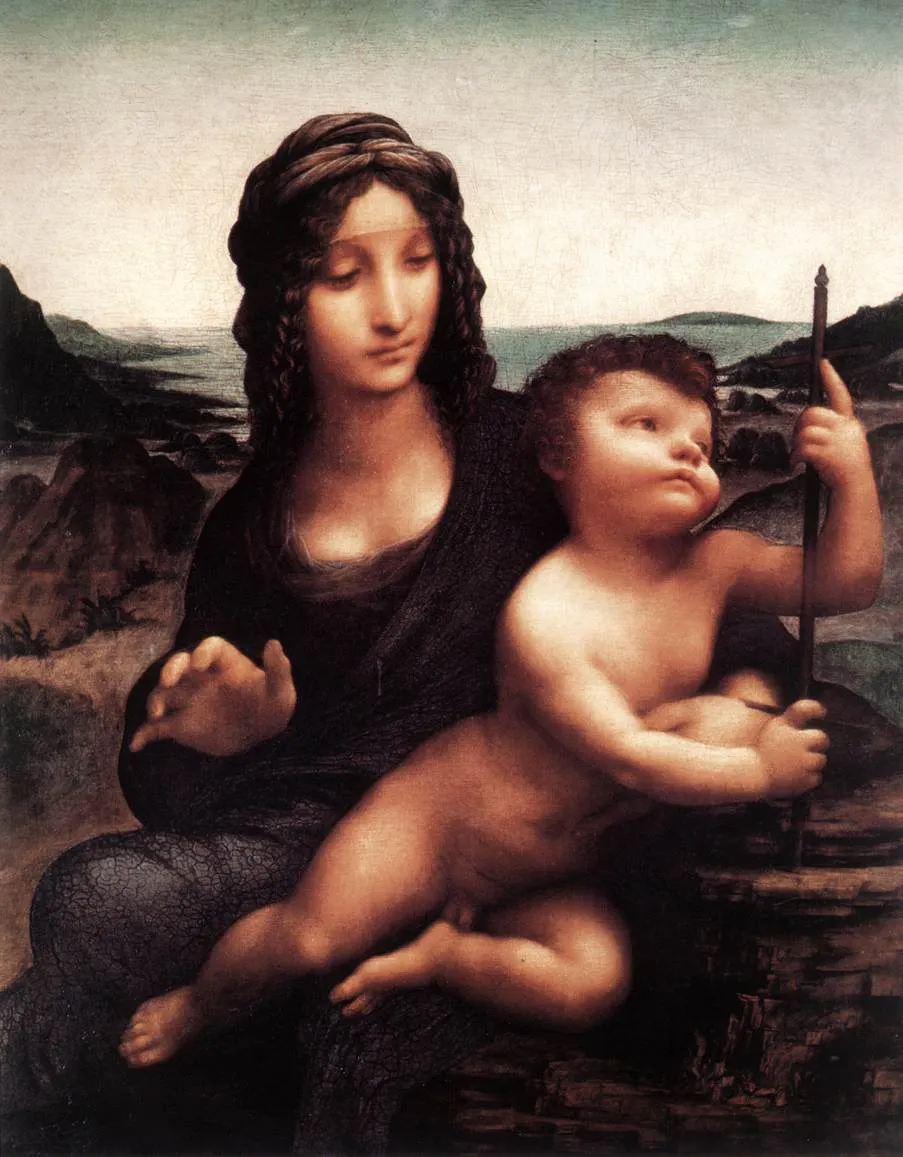
Even in Scotland you can’t be sure when crooks have their thieving eyes on art. In this case, a version of the Madonna with the Yarnwinder by da Vinci was affected. The work is one of two versions of an original that has not survived, but which the genius painter worked on.
Related: Top 10 Rediscovered Masterpieces
One of these two copies is in the possession of the Duke of Buccleuch (hence the additional Buccleuch Madonna title), who put it on public display at his family residence: Drumlanrig Castle in southern Scotland. Two thieves disguised as police officers stole the picture in front of two astonished tourists from New Zealand, explaining that it was simply an exercise. The painting was brought back four years later. Today it is in the Scottish National Gallery in Edinburgh.
3. 2004 – Munch Museum, Oslo
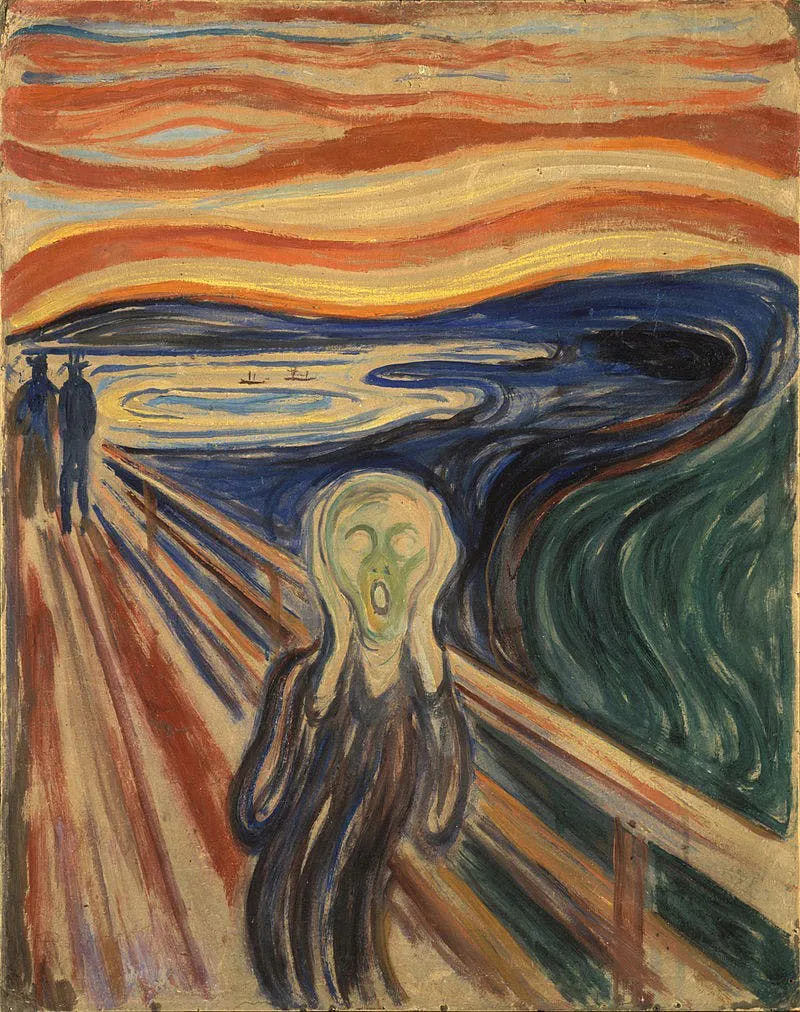
In an armed robbery on August 22, 2004, masked thieves stole Edvard Munch's tempera version of The Scream from 1910 and a version of his Madonna from 1894 from the museum in Oslo dedicated to Munch's work. The theft appeared to be related to a robbery at an Oslo money depot at the same time. Two years later, some of the perpetrators were caught and the two works were seized during a raid. However, the scream was so badly damaged that a full restoration was not possible. Another tempera version of Munch's Scream was stolen from the Norwegian National Gallery in 1994. The work returned to its place after only three months.
2. 2008 – Bührle Collection, Zurich
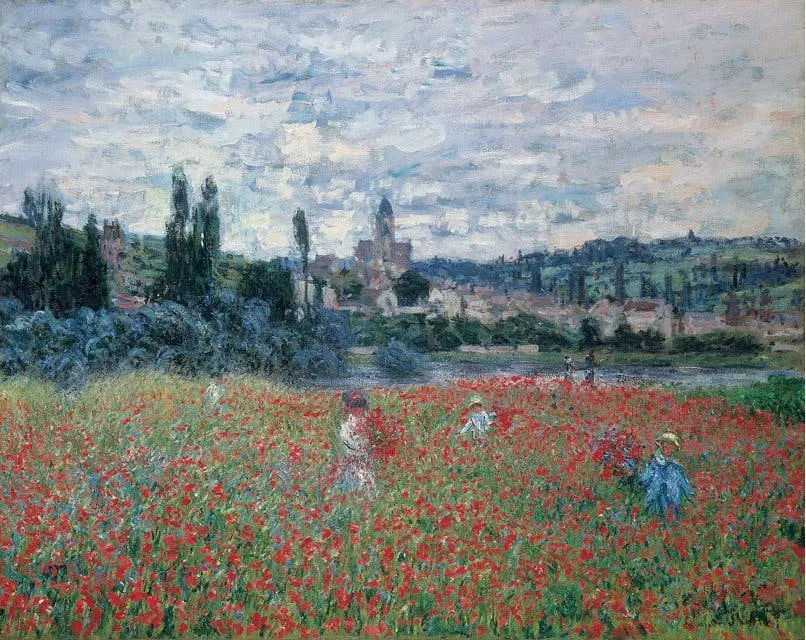
During a 2008 robbery from the collection donated by the entrepreneur Emil Georg Bührle in Zurich, four paintings with a total value of €110 million were stolen. Two of the works – Blossoming Chestnut Branches by van Gogh and Poppy Field Near Vétheuil by Claude Monet – reappeared ten days later. The Boy in the Red Vest by Paul Cézanne reappeared in Belgrade in 2012, and Count Lepic and His Daughters by Edgar Degas had previously returned to Zurich at an unknown point in time. The theft is likely the largest art theft in Europe.
1. 2015 – Museo di Castelvecchio
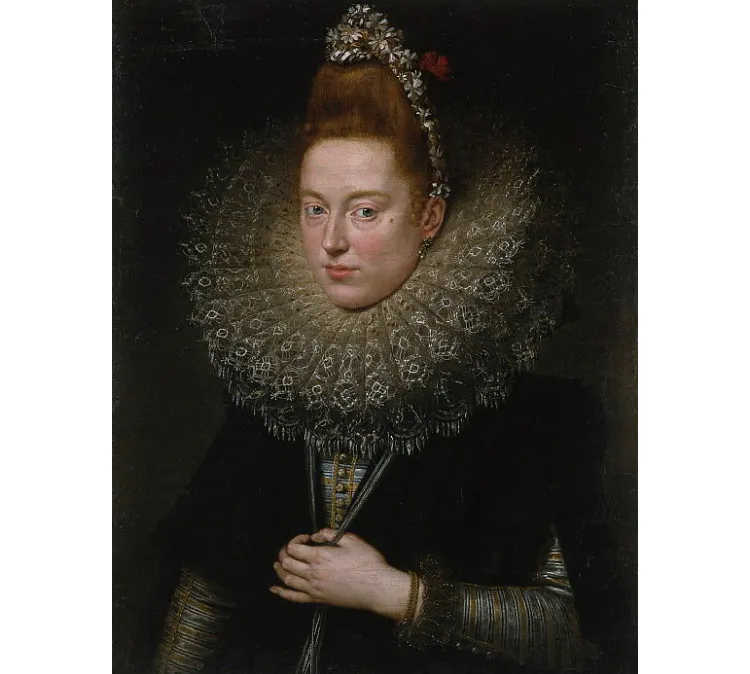
A total of 17 paintings were stolen from the Museo di Castelvecchio in Verona in November 2015, including works by Peter Paul Rubens, Tintoretto and Pisanello. The three masked thieves tied up and gagged a cashier and the security guard and then went through the museum in an extremely professional and determined manner.
Since some of the paintings were considered unsellable due to their popularity, the theft, as with some of the other cases described here, was an act of commission. But only six months later, the stolen property in Ukraine was secured in the hands of a Moldovan gang.