
全部拍賣 / Glass / Rare et superbe Bouteille de Clichy

Rare et superbe Bouteille de Clichy
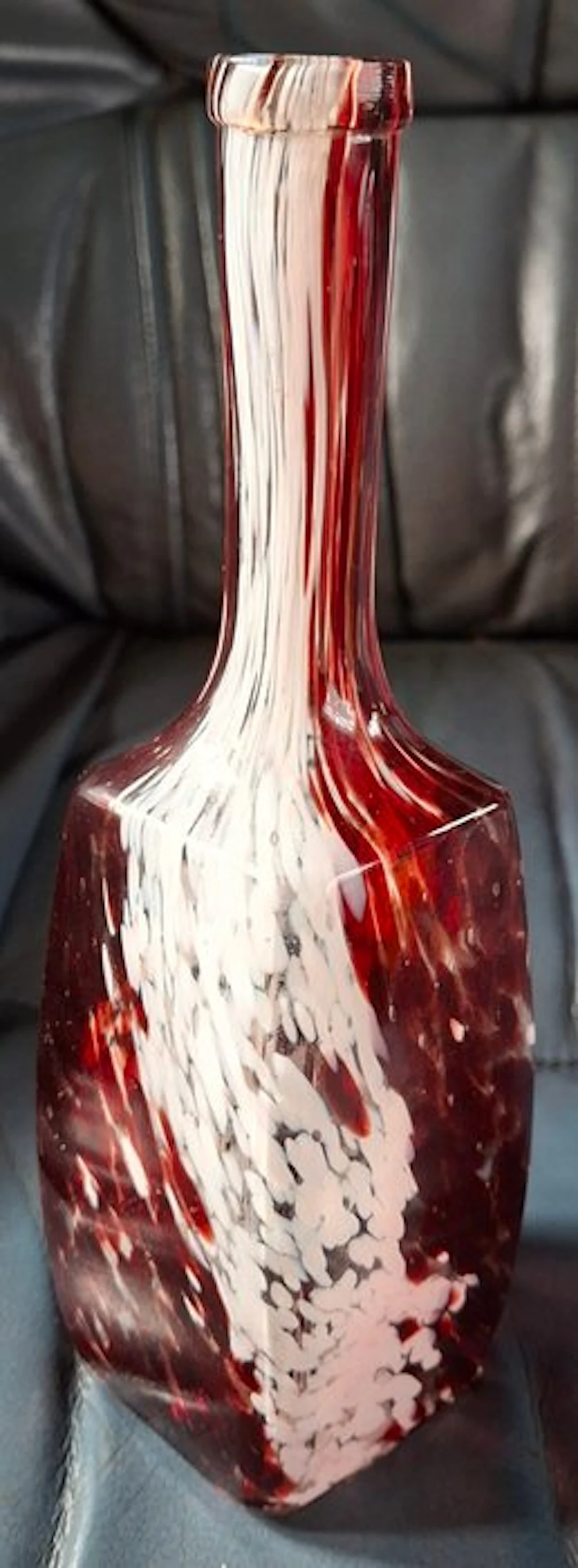
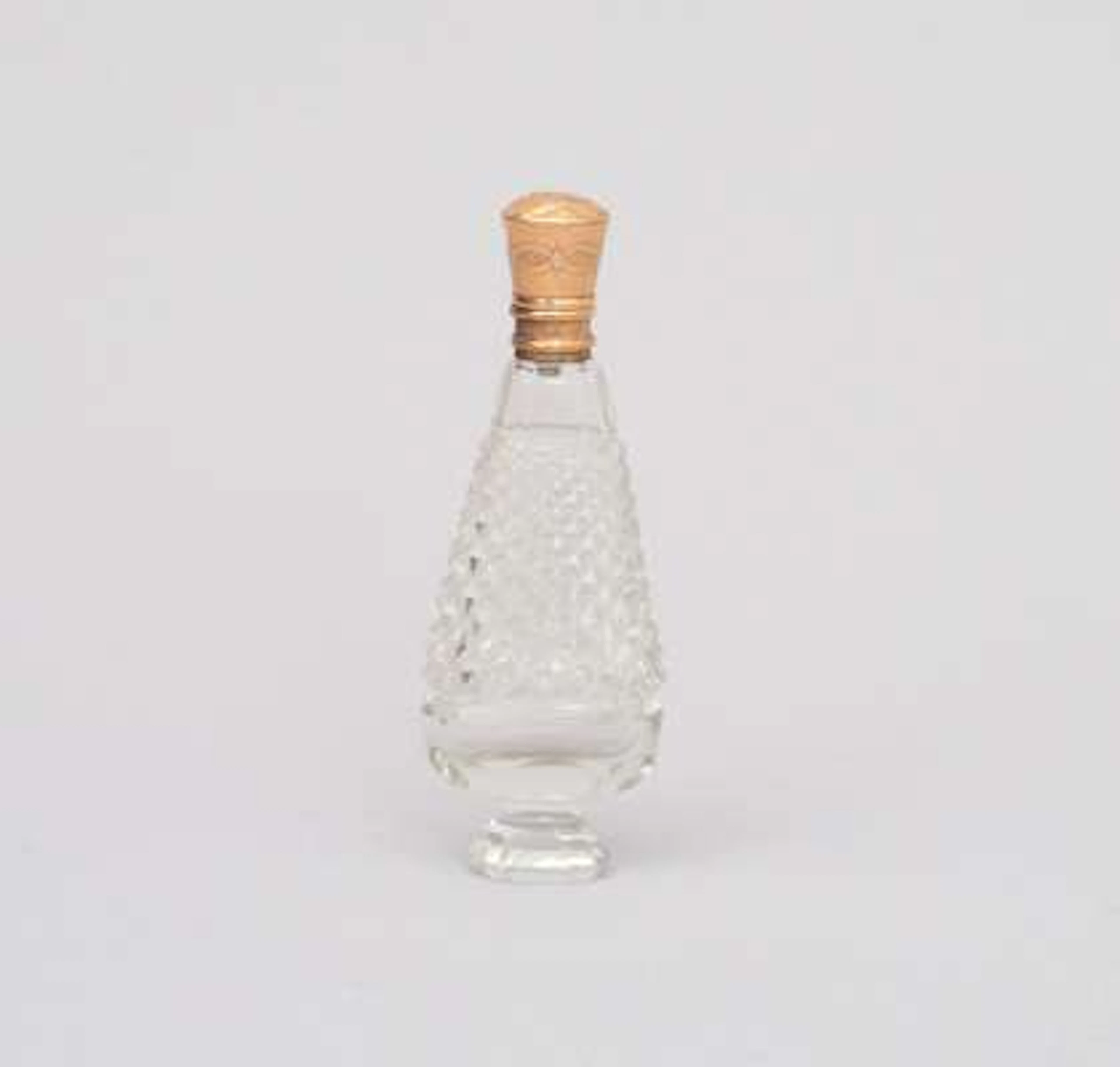
Rare and superb Art Deco bottle; Theodore Legras It is of a marble-like color, "blood red and white"; these color nuances and this bottle model Clichy are not common on the market. It is in superb condition, no cracks or chips. Ideal for Art Deco decor for a Gite, Hotel, Loft, Duplex, Chateau, Office, Showroom, Manor, Cocktail Bar, Restaurant, refined table settings. François Théodore Legras, an important figure in glass art Glass artist Originating from the Vosges, and having spent his childhood in a small hamlet at the heart of the forest of Darney, François Théodore Legras is a great master glassmaker of the Art Nouveau and Art Deco periods. The landscape surrounding his childhood home would later become his main source of inspiration. With motifs inspired by nature and remarkable colors, Legras-branded works are of outstanding quality… to the point that they are still highly sought after today by art lovers and collectors. Hailing from a modest family, François Théodore Legras was a hard worker. At 27, he already headed a prosperous company called the “Verrerie de La Plaine Saint-Denis.” --- Are you impressed too by the works of this Vosges master glassmaker? Let’s travel through the ages and the main lines of François Théodore Legras’s life. ---- François Théodore Legras: from childhood to master glassmaker François Théodore Legras is one of the famous glassmakers of the Art Nouveau and Art Deco era. Just like renowned artists of the 19th and 20th centuries such as Emile Gallé, the Daum brothers, the Muller brothers, or Jean-Simon Peynaud, he built a reputation that would cross centuries. His father, named Jean Nicolas Legras, was a logger; and his mother, Baptiste Sophie Joly, was a homemaker. In short, François Théodore Legras came from a modest family. He was born in the hamlet of La Grande Catherine in Claudon, in the Vosges department, on December 27, 1839. Before dying in Paris on August 2, 1916, François Théodore Legras carried out important missions aimed at promoting glass art, revealing his artistic talent, and bringing exceptional artworks to successive generations. Nothing suggested that the small boy who spent his entire childhood in the countryside, among the Darney forest, would later become the head of a very famous glassworks, but also a talented and passionate glass artist. That said, his life in his native Vosges greatly contributed to shaping his future, since, by becoming a glass artist, Théodore Legras would highlight nature in each of his productions. Employing more than 1500 people, the Legras glassworks, known under the corporate name “Verrerie et Cristallerie de St Denis,” participated in numerous exhibitions and often won prizes: gold medal at the Barcelona International Exposition of 1888, 6th Grand Prize at the Paris Universal Exposition of 1889… François Théodore Legras: an extraordinary career François Théodore Legras entered the glass world for the first time at age 20. He began as a night clerk in the glassworks around his residence, in La Grande Catherine at Claudon. This job allowed him to learn glassmaking and discover its secrets and subtleties. He clearly found pleasure in what he did and became more and more involved with passion, to the point of ending up at the head of a famous glassworks a few years later. At 24, Legras left his Vosges homeland to join the La Plaine Saint-Denis glassworks located in a district of Saint-Denis. This company hired the young Vosgian as a clerk and gave him the opportunity to rise in skill. Six months later, François Théodore Legras was promoted head of production at the La Plaine Saint-Denis glassworks. In 1866, at only 27 years of age, Legras became director of the company. Now having gained solid experience in glassmaking and at the pinnacle of the La Plaine Saint-Denis glassworks, he did everything to develop the company. He began by building new factories and a workers’ housing estate. Over the years, Legras’ factories became a massive industrial complex of about 20,000 square meters. When the La Plaine Saint-Denis glassworks becomes “Legras & Co.” With his incredible career, François Théodore Legras was appointed CEO of the Verrerie de La Plaine Saint-Denis. It would thus gain another corporate name and become: “Legras et Cie.” The company’s headquarters were on Avenue de Paris, Saint-Denis; while its warehouses were at 22 bis, Rue de Paradis, Saint-Denis. The company produced utilitarian works in series, often in Nil green. From multicolored pieces to luxury products, Legras productions rivaled those of renowned glassworks and crystal houses such as Baccarat and Meisenthal. The decorations on each Legras product are usually edged in gold and have fairly classical shapes. Continuously evolving, Legras et Cie acquired in 1902 nine large fusion furnaces with 12 crests, and another eight-crest furnace. The latter was exclusively for making colored glasses; while the first were used daily. The company employed more than 1,400 people, including cutters, bowlers, decorators, engravers, designers, glassworkers… Legras et Cie produced glass pieces for chemistry, pharmacy, packaging, decorative novelty items (vases, window boxes, dishes…), utilitarian articles, and service ware… Like the Portieux and Vallerysthal crystal works, Legras produced sublime colored glass pieces. Most of its works evoke the beauty of nature and feature a landscape, flowers, or fauna as decoration. François Théodore Legras: one of the founders of Art Nouveau Producing extraordinarily eclectic works, François Théodore Legras stood out for his great versatility. From hand-blown glasses to enamelled glasses, he experimented with all glassmaking techniques. He was capable of working the most complex method of glassmaking, which made Daum’s crystal famous: pâte de verre (glass paste). With a variety of works with diverse decors and shapes, Legras won the hearts of art enthusiasts of his era and could meet the needs of a varied clientele. Legras drew inspiration from nature to give his productions beautiful decoration. The master glassmaker’s preferred themes ranged from chrysanthemums to irises, including orchids. With such inspiration, François Théodore Legras was invited by Emile Gallé, the Daum brothers, and René Lalique (founder of Lalique crystal in 1888) to join them in founding the Art Nouveau movement. This is an artistic style inspired by nature, highlighting curved forms. The philosophy of Art Nouveau was to produce beauty at a low cost, making art accessible to all. Art Nouveau enjoyed great success from the late 19th century to the early 20th century (1880–1910), making way for the new artistic movement, Art Deco. Unlike Art Nouveau, the latter draws on geometric lines (symmetry, complex lines, aerodynamic curves…). ----The fate of Legras glassworks When François Théodore Legras took the helm of the Verrerie de La Plaine Saint-Denis, he changed its destiny. Over the years, the factory gradually grew to become the most important glassworks of the Art Nouveau era in the Paris region. Legras’ glassworks’ fame now approached that of the greatest establishments such as Gallé, Muller brothers, Daum crystal, or Saint-Louis crystal, and crossed national borders. The company participated in several national and international exhibitions where it was often rewarded, notably with the gold medal at the Barcelona Universal Exposition of 1888 and the 6th Grand Prize at the Paris Universal Exposition of 1889. The death of François Théodore Legras on August 2, 1916 in Paris at 76, and World War I, marked the end of the apogee of Legras production. Legras descendants continued the company’s growth until 1919. That year, the Verrerie Legras et Cie was sold to grandson Théodore Legras. He steered the business toward the new fashionable style: Art Deco. Producing works in a stylish and highly sought-after fashion, the company maintained prosperity. Around 1928/1930, Legras et Cie was purchased by the Lyonnais glass group Souchon-Neuvesel (the current BSN), which chose to keep the Legras name. In 1925, the glassworks was again acquired by the “Verrerie et Cristallerie des Quatre Chemins.” What are the prices and signatures of genuine Legras vases? To acquire a vase valued at around €1,000, it is best to avoid forgeries. For this, you should first check the signature on the piece. When his son Charles Legras took over the Legras glassworks, different signatures appeared on Legras works: “Pantin,” “Legras,” “Leg,” or “Legras Cie St-Denis.” Moreover, you should know that Legras vases are made of glass, not pâte de verre as is often indicated. To admire the art of François Théodore Legras, you can visit the Musée d’Hennezel-Clairey and relive the saga of this industrial captain through a wide range of Legras productions. Legras subject bottles François Théodore Legras was also known for his decorative bottles. These were bottles decorated on various themes such as the figures of the Third Republic, Joan of Arc, the “Tower Eiffel,” or “Napoleon.” A few Legras subject bottles occasionally surface on the art market, notably the old two-faced Legras subject bottle with a woman and a man (1900), the Legras subject bottle “Hand holding a bottle” (19th century), or the Legras subject bottle “The Mill” (19th century).
估價:$1.12
前往拍賣頁估價:
$1.12
類似物品


類似物品的拍賣結果
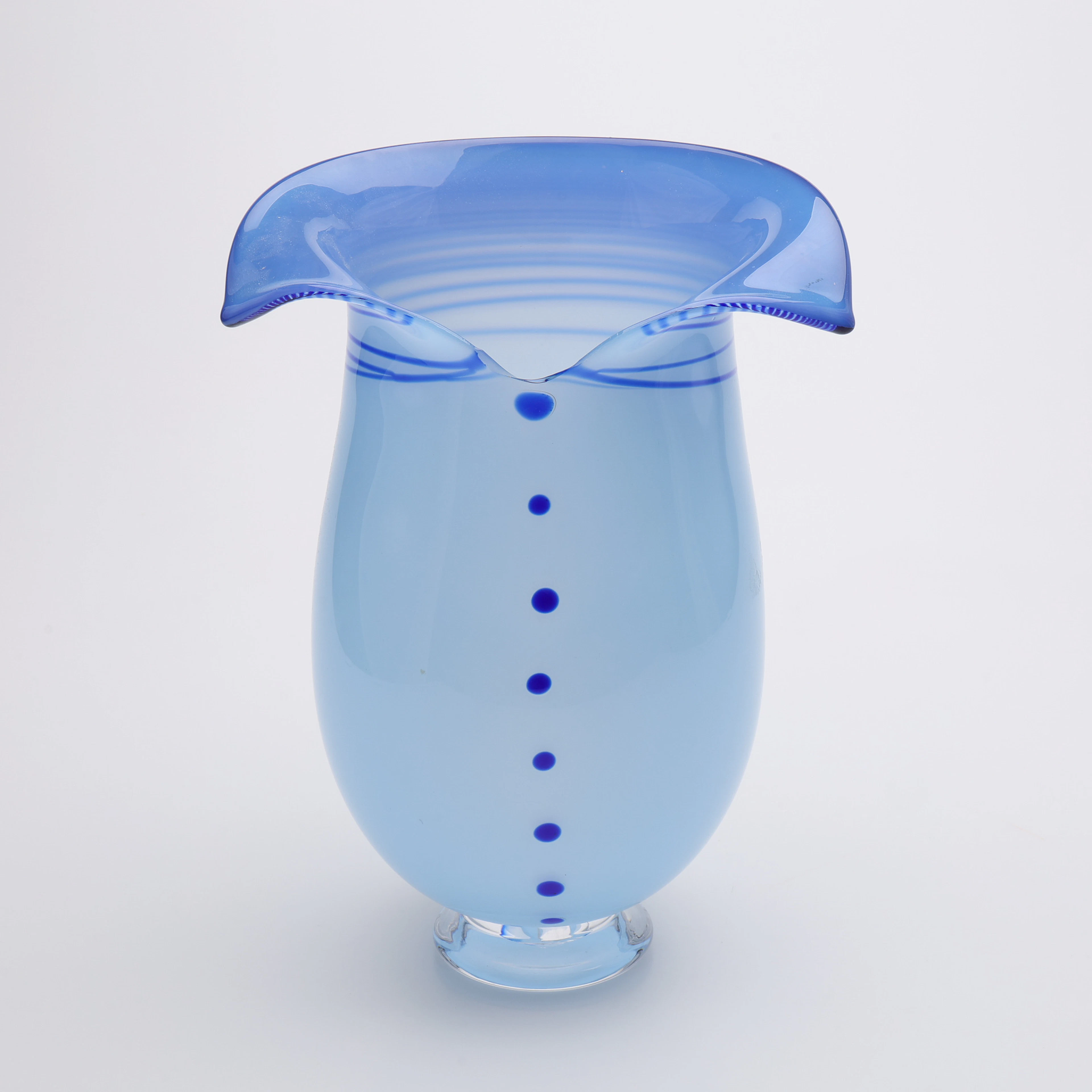
WILKE ADOLFSSON (FÖDD 1940). FIGURATIV VAS, WILKES STUDIOGLAS, BÅSTAD 2004.
10/12/2026
$35.12
估價: $50
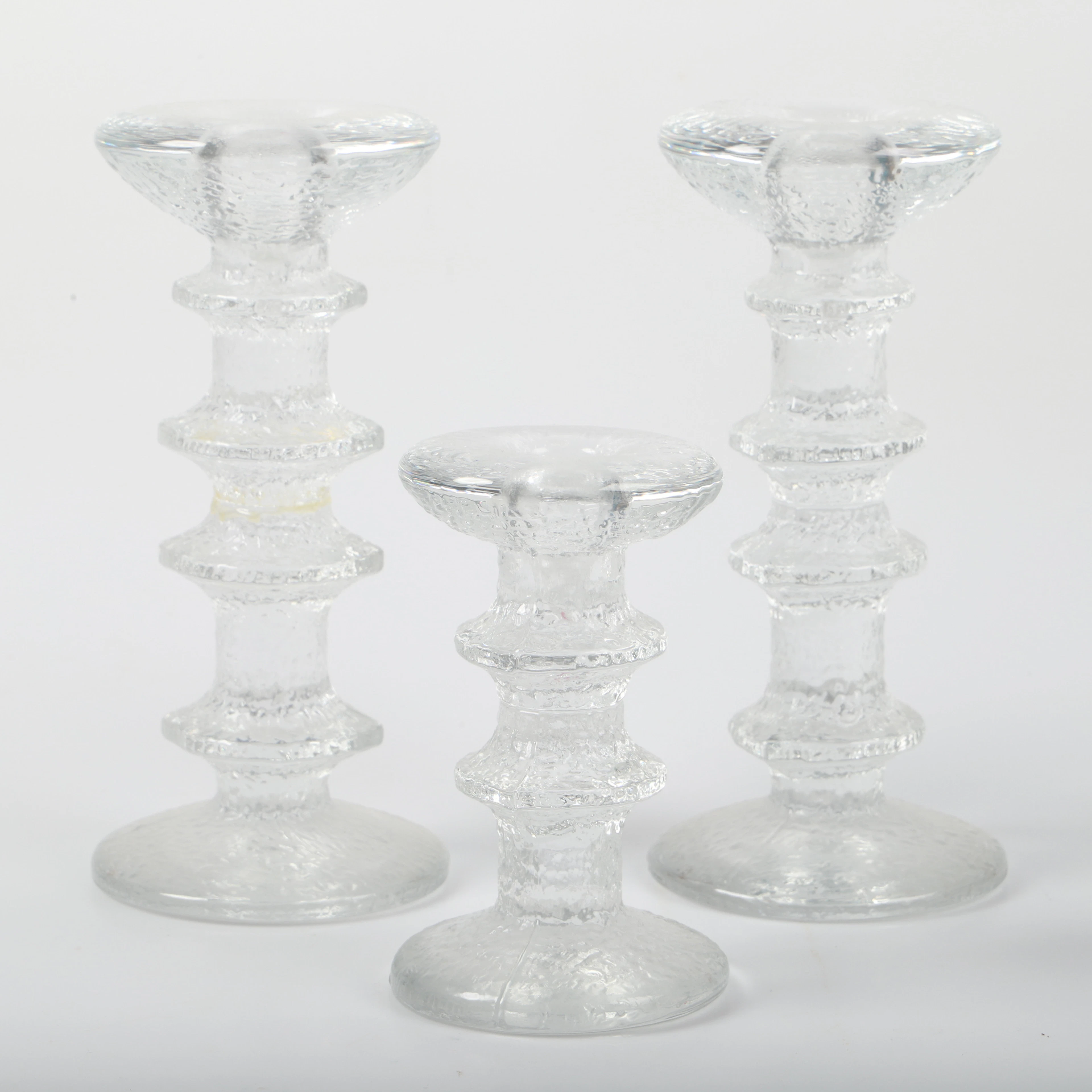
TIMO SARPANEVA. Ljusstakar, 3 stycken, "Festivo", glas, Iittala, Finland.
10/12/2026

$65.23
估價: $100
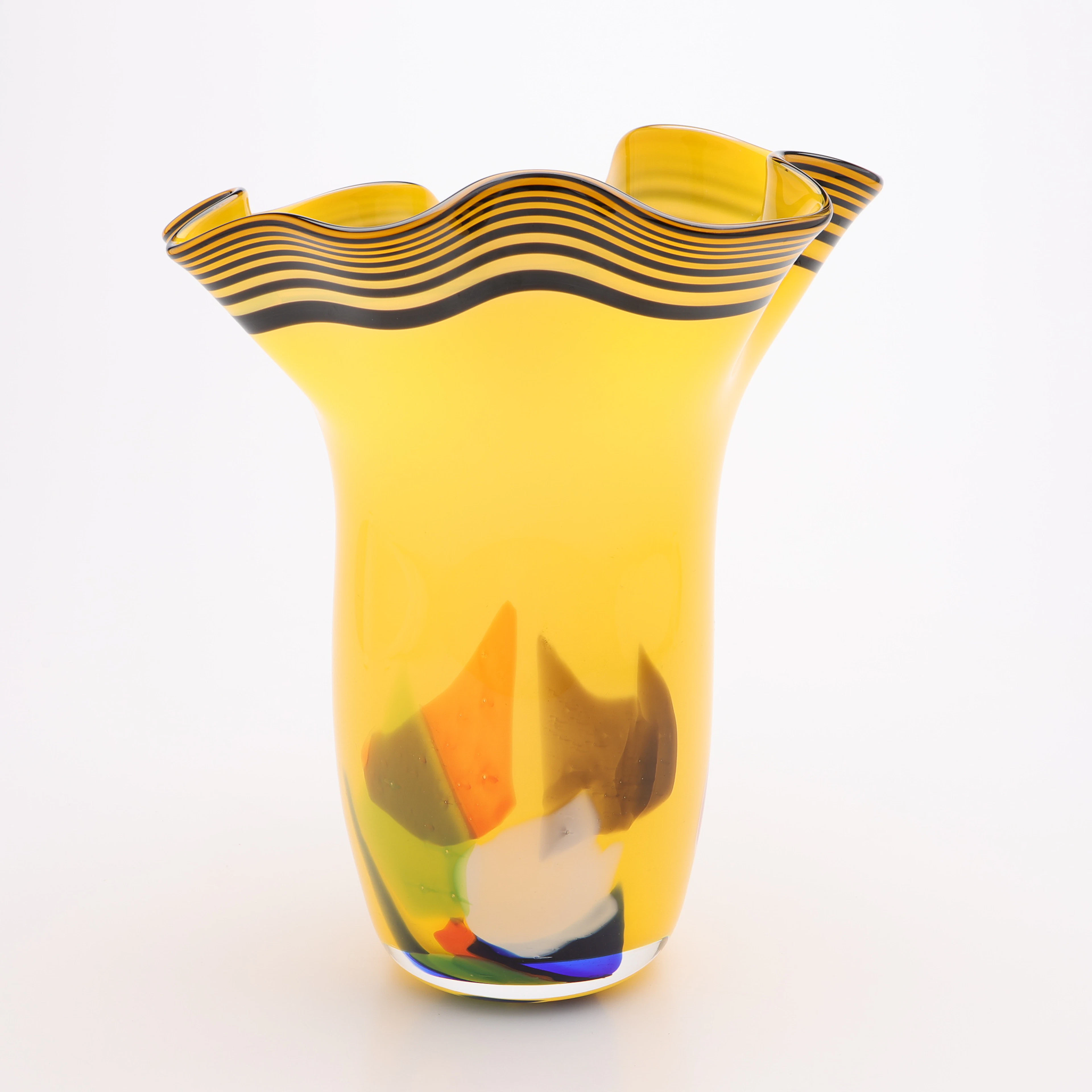
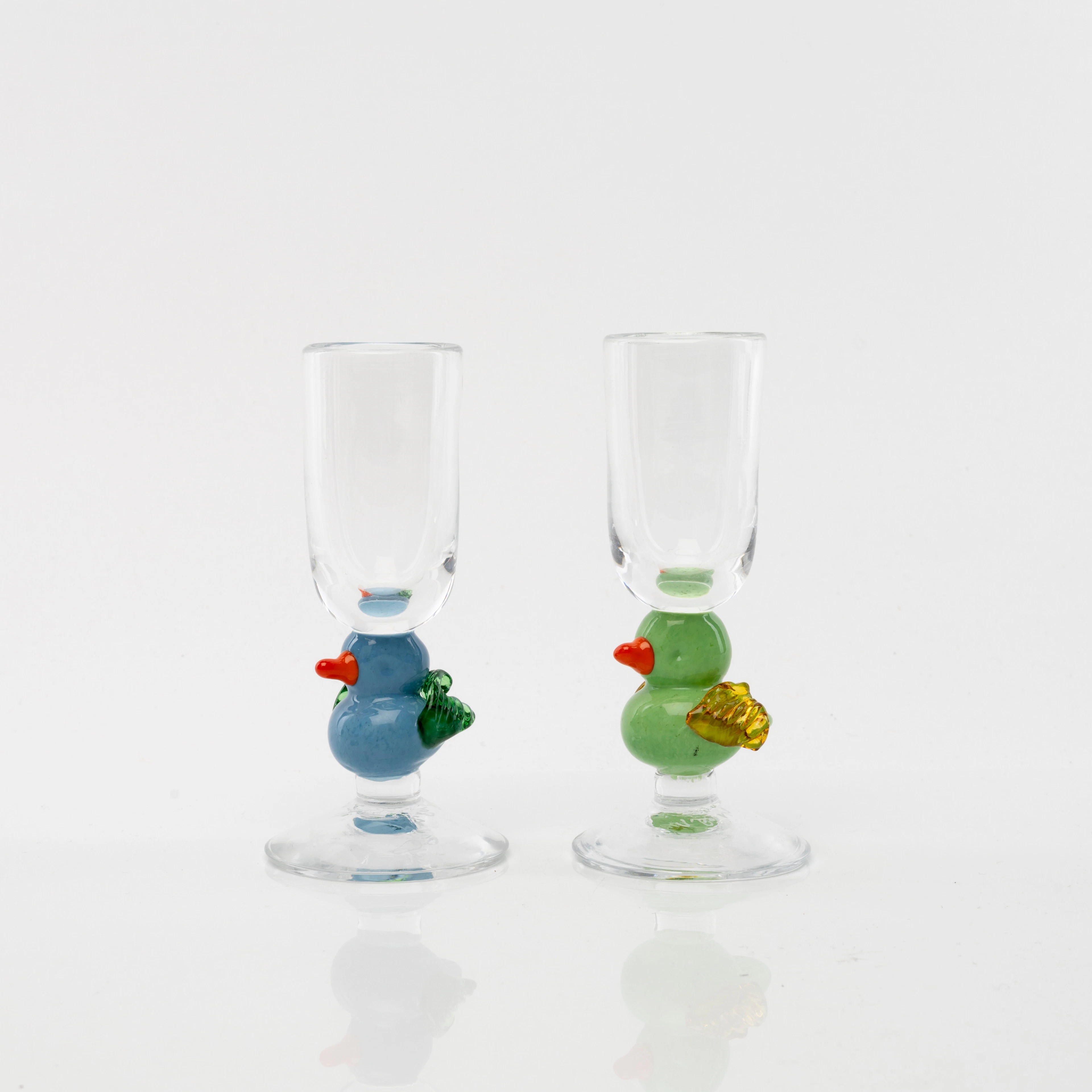
JONAS ROOTH. 2 st, glas, med dekor av fåglar signerade.
10/12/2026
$75.26
估價: $100
讓您的拍賣觸及全球收藏家!
立刻發佈上架