
全部拍賣 / Books, Maps & Manuscripts / Miniatore di tradizione Franco-Fiamminga - Betsabea Nuda al Bagno - 1500

Miniatore di tradizione Franco-Fiamminga - Betsabea Nuda al Bagno - 1500
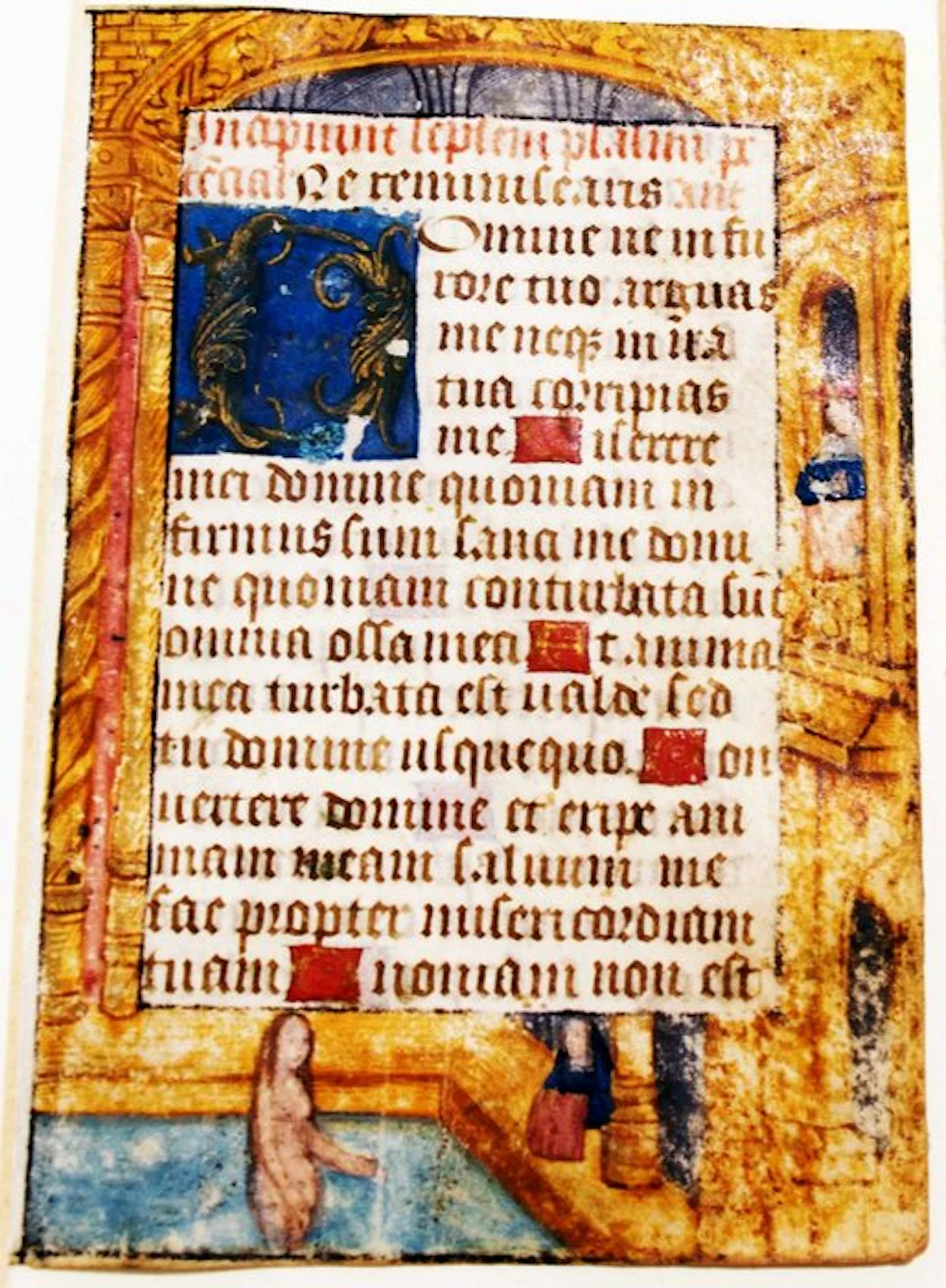
BETHSEBAH’S BATH: A RENAISSANCE MINIATURE ON PARCHMENT Rare illuminated parchment fragment dating around 1500, most likely originating from a Book of Hours or from a private devotional manuscript. Despite its small size, the sheet preserves extraordinary figurative richness: the Latin text in elegant liturgical blackletter is framed by a refined miniature border in gold and vivid colors, while a large blue-and-gold initial introduces the liturgical passage. Particularly fascinating is the presence, within the marginal decoration, of a figurative scene depicting a bath with figures, an iconography that recalls the famous Betsabea at the bath theme, frequently associated with the Penitential Psalms in Flemish and French Books of Hours of the late Middle Ages and early Renaissance. The fragment constitutes a precious testimony of European miniature art in the years immediately following the invention of printing, when the illuminated manuscript continued to represent one of the most refined instruments of private devotion. MARKET VALUE Original illuminated fragments from Books of Hours and devotional manuscripts of the early sixteenth century enjoy a very active collecting market. Fragments with only the initial letter decorated generally range from 500 to 1,400 euros. Examples that preserve a figurative border, original gold, and identifiable narrative scenes normally command values between 600 and 1,500 euros. The presence of a probable representation of Betsabea at the bath, a subject particularly appreciated by collectors of medieval miniatures, can place this specimen in a indicative range of 1,000–2,000 euros, with possible variations depending on execution quality and geographic attribution. PHYSICAL DESCRIPTION AND CONDITION Fragment mounted within a modern conservatively aesthetic passe-partout. Seventeen lines in Latin in elegant Gothic script. Large illuminated initial in blue with gold filigree. Rich gilded and polychrome ornamental frame with figures inserted within architectural niches. At the bottom a scene of a bath with a naked female figure immersed in water and other characters is depicted, probably referring to the Betsabea iconography. Some abrasions and chromatic attenuation compatible with the age of the artifact. In ancient manuscripts, with a multihundred-year history, there may be some imperfections, not always noted in the description. FULL TITLE AND AUTHOR Betsabea Nuda al Bagno Fragment from Book of Hours or illuminated devotional manuscript. Western Europe, circa 1500. Miniator from the Franco-Flemish tradition CONTEXT AND SIGNIFICANCE The iconography of the woman at the bath is one of the most famous subjects of late medieval miniatures. In Books of Hours it frequently appears as the portrayal of Betsabea observed by King David, an image traditionally associated with the opening of the Penitential Psalms. The theme allowed artists to introduce narrative, architectural, and landscape elements within the illuminated page, transforming the liturgical text into a true visual experience. The refined decoration of this fragment reveals the persistence of figurative models developed in the great Flemish and French workshops between the Fifteenth and early Sixteenth Century. Even isolated from its original manuscript, the sheet retains its capacity to evoke the dialogue between private devotion, narrative art, and religious symbolism. BIOGRAPHY OF THE ARTIST The artist who produced the miniature remains anonymous, as is the case for most devotional book production of the early Sixteenth Century. Miniators often worked within specialized workshops, collaborating with scribes, rubricators, and binders in the creation of Books of Hours for private clients. The decorative characteristics suggest training within the Franco-Flemish traditions that dominated the European market for illuminated manuscripts in the decades leading up to the definitive advent of printed books. PRINTING AND MANUSCRIPT TRADITION Around 1520 the illuminated manuscript still coexisted with the printed book. Although print had already conquered much of the European book market, prestigious devotional works continued to be produced on parchment and decorated by hand for aristocratic or affluent clientele. Many Books of Hours produced in this period preserve very high artistic quality and represent the last great examples of a tradition that had dominated Europe’s visual culture for more than three centuries. BIBLIOGRAPHY AND REFERENCES Wieck, Roger S., Painted Prayers: The Book of Hours in Medieval and Renaissance Art, New York, 1997. De Hamel, Christopher, A History of Illuminated Manuscripts, London, 1994. Alexander, J. J. G., Medieval Illuminators and Their Methods of Work, New Haven, 1992. Backhouse, Janet, Books of Hours, London, British Library. Meiss, Millard, French Painting in the Time of Jean de Berry, London. Kren, Thomas – McKendrick, Scot, Illuminating the Renaissance, Getty Museum. British Library, Catalogue of Illuminated Manuscripts. Morgan Library & Museum, Medieval and Renaissance Manuscripts Collection. Getty Museum, Digital Collections of Illuminated Manuscripts. Auction catalogues Christie’s, Sotheby’s, Les Enluminures and Dr. Jörn Günther Rare Books relating to illuminated fragments from Books of Hours.
估價:$561.06
前往拍賣頁查看所有物品來自Catawiki或Books, Maps & Manuscripts
估價:
$561.06
類似物品

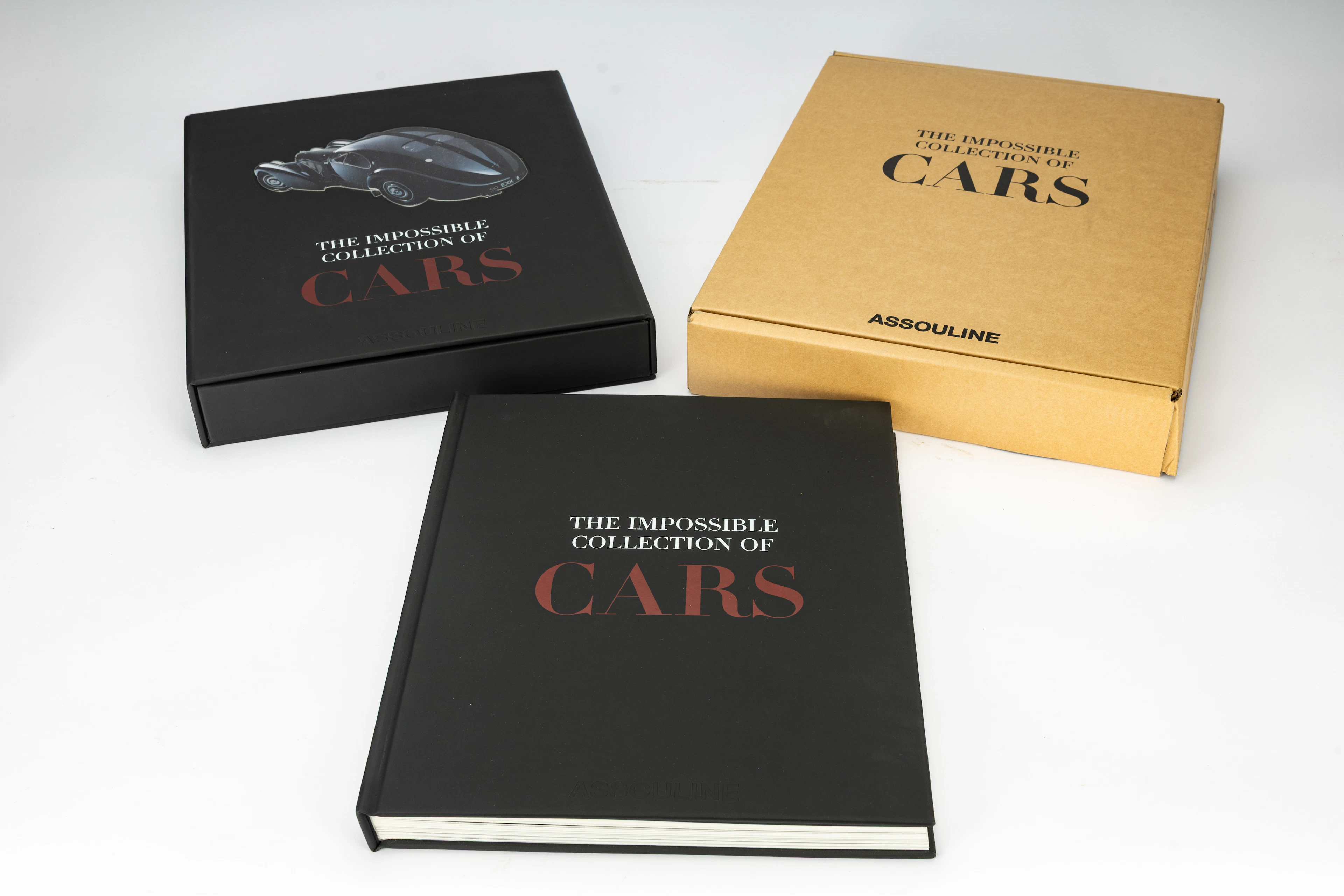

類似物品的拍賣結果
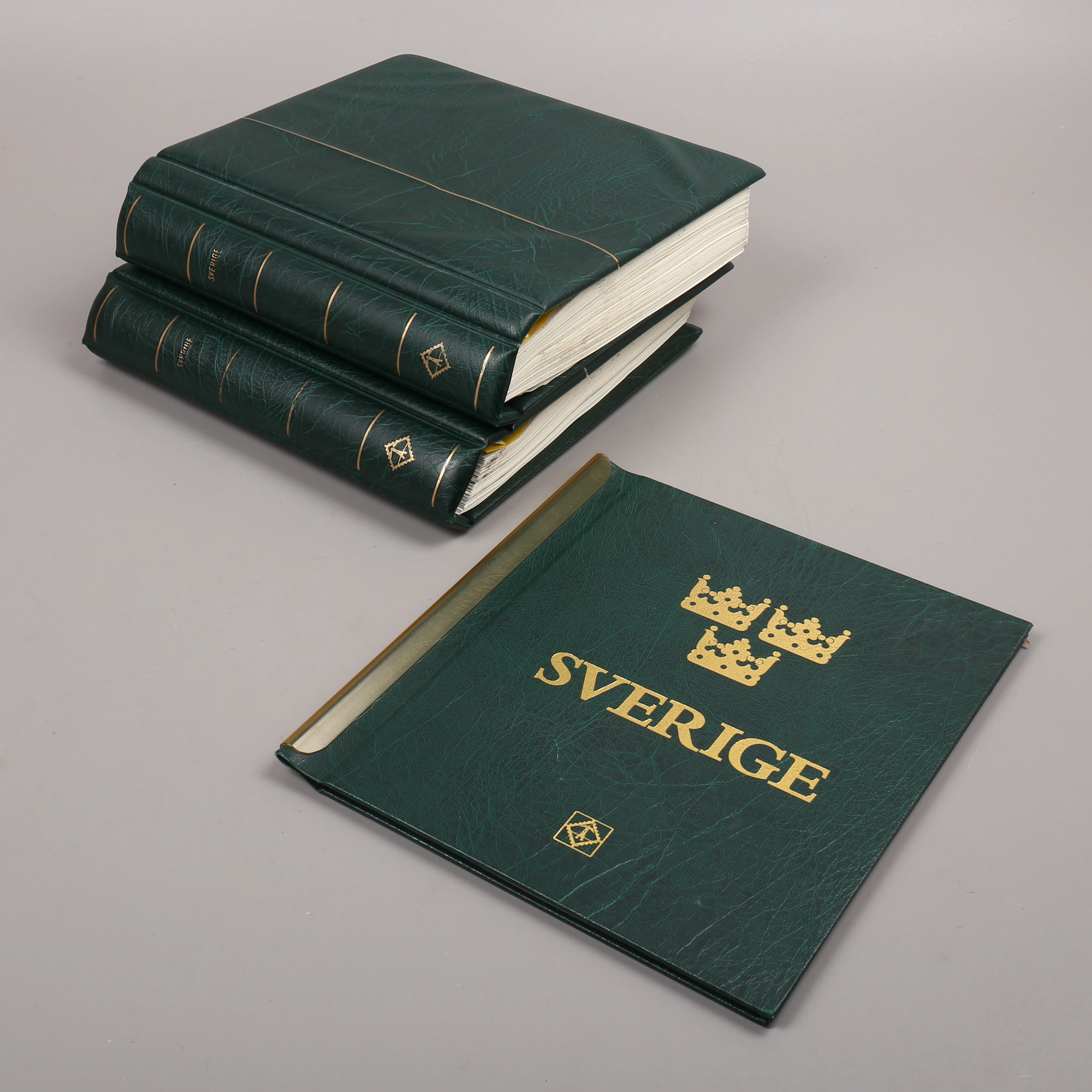
FRIMÄRKSSAMLING, 3 st album, Sverige, 1976-2010.
10/21/2026
$102.44
估價: $100.89
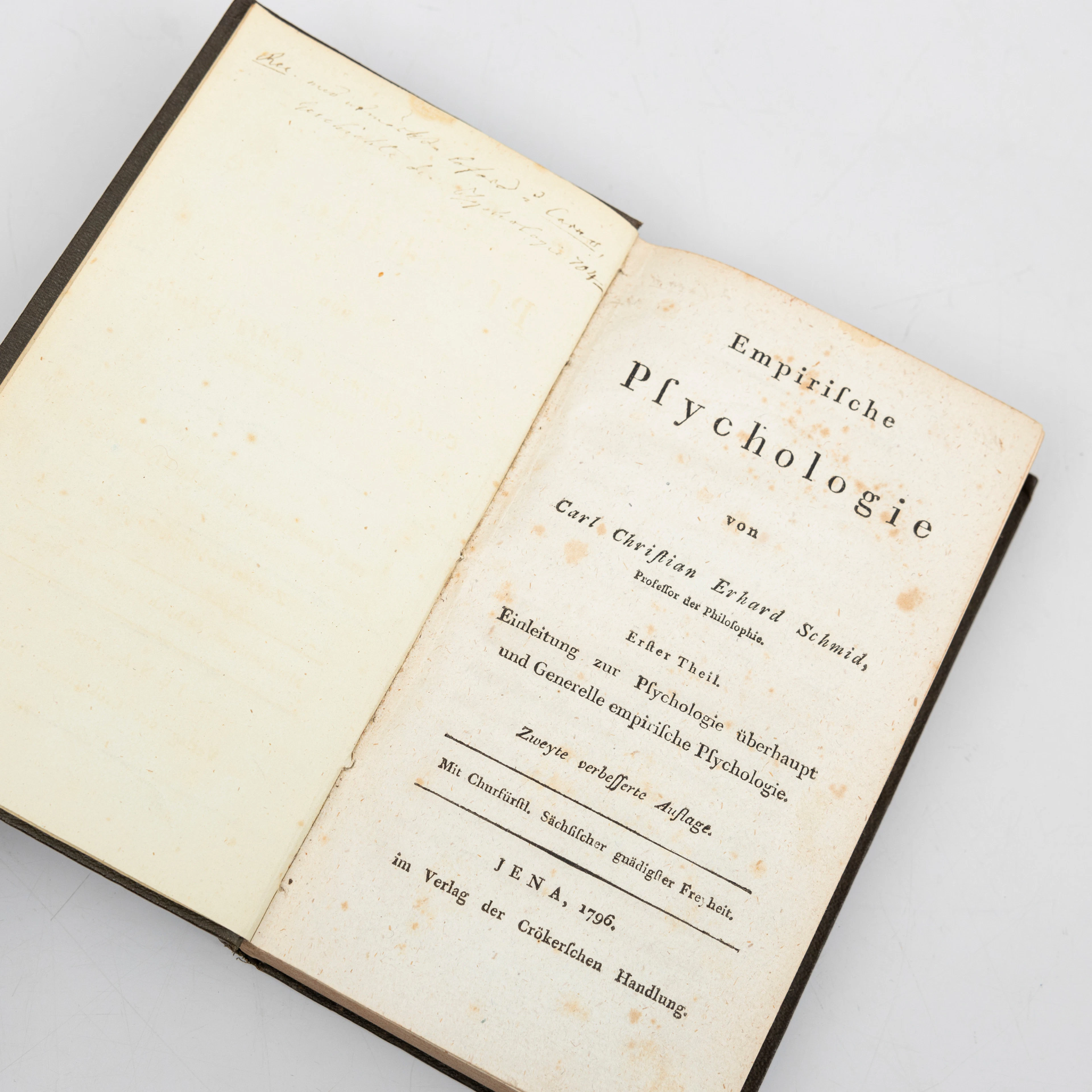
CARL CHRISTIAN ERHARD SCHMID. "Empirische Psychologie“, Erfter Theil
10/21/2026
$50.46
估價: $150.53
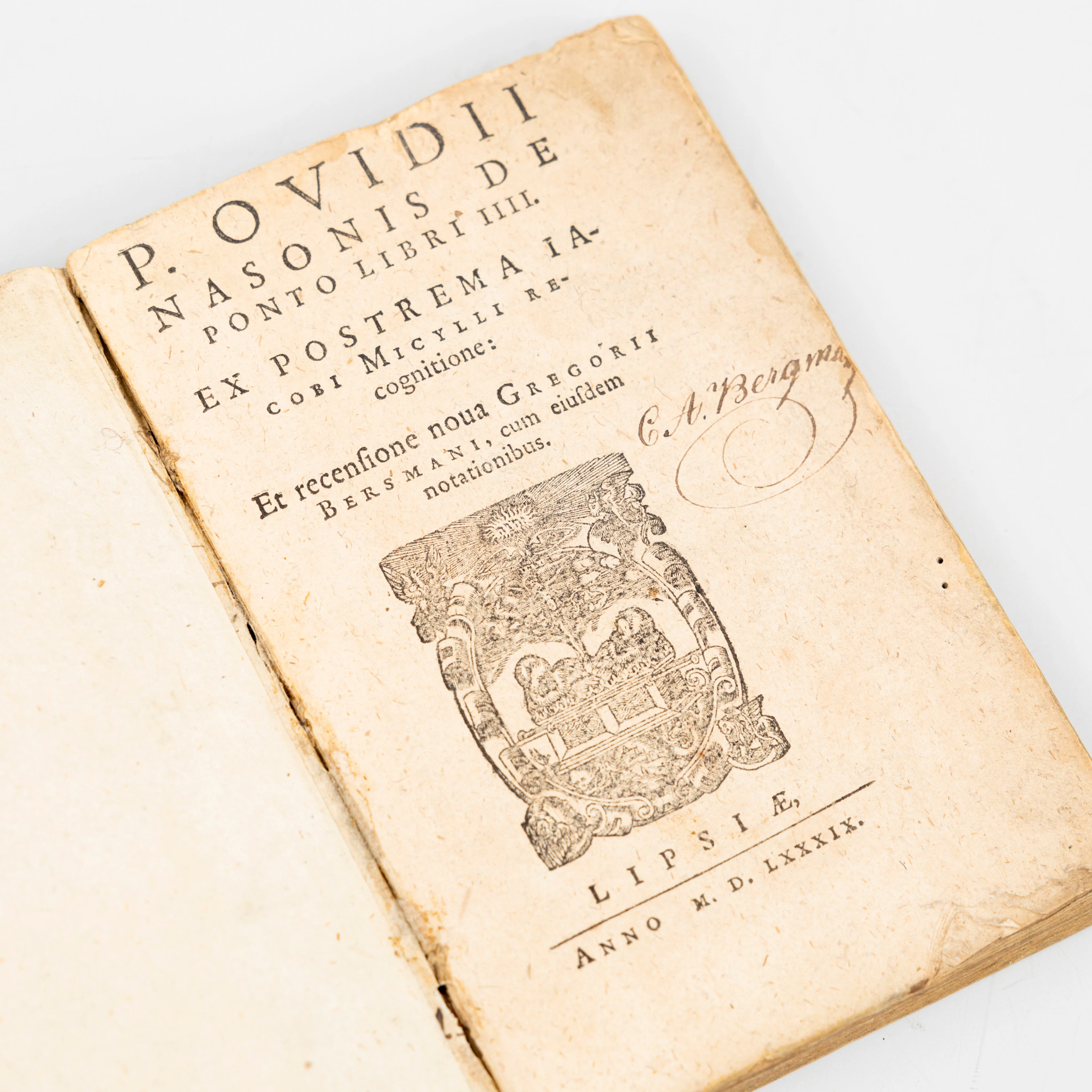
PUBLII OVIDII NASONIS. "De Ponto libri IIII", Ex postrema Iacobi Micylli
10/21/2026
$80.74
估價: $252.24

讓您的拍賣觸及全球收藏家!
立刻發佈上架