
全部拍賣 / Sculptures / JOHN CHEERE (ENGLISH, 1709-1787), A BRONZED LEAD HEAD OF SENECA, MID
JOHN CHEERE (ENGLISH, 1709-1787), A BRONZED LEAD HEAD OF SENECA, MID
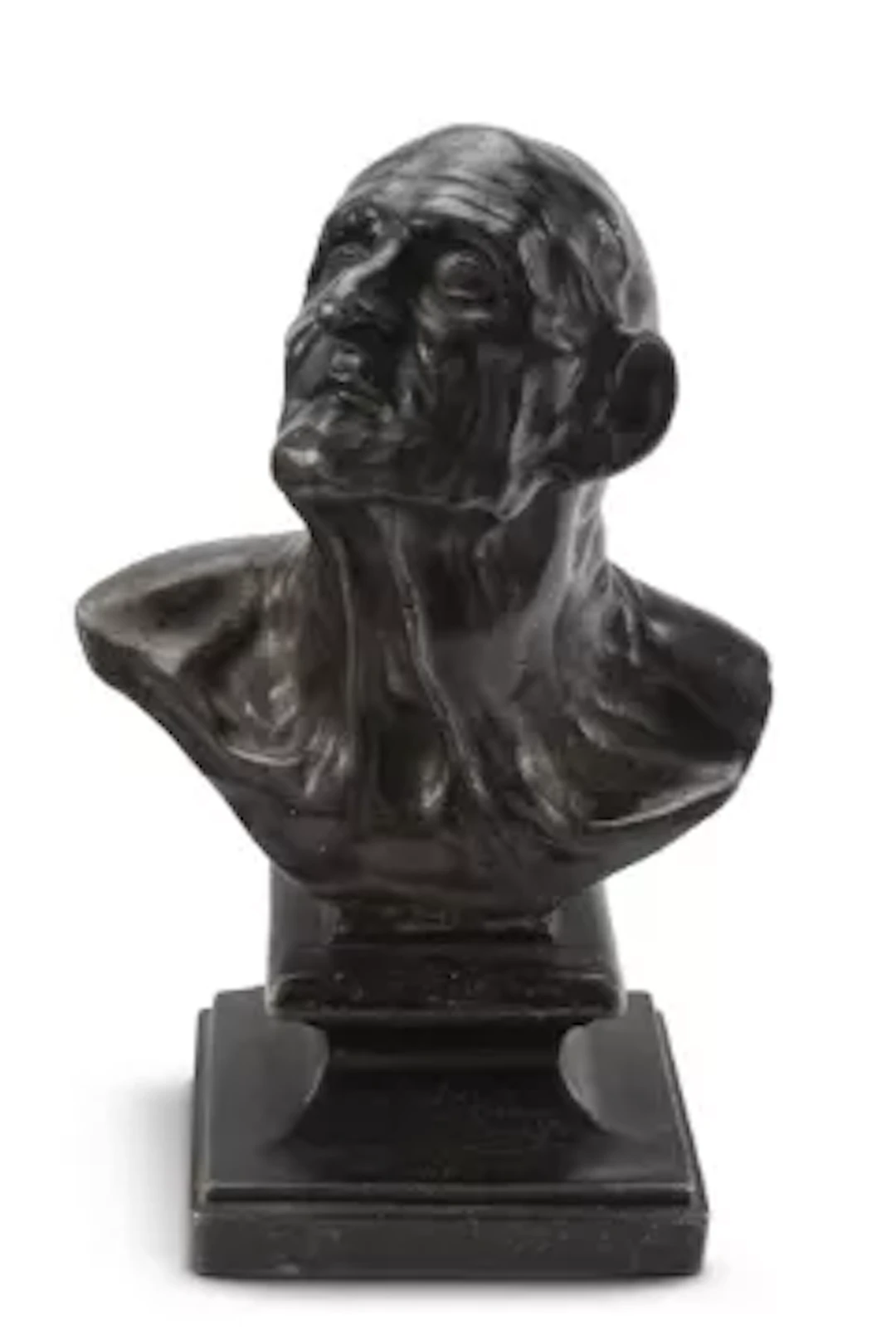
JOHN CHEERE (ENGLISH, 1709-1787)- A BRONZED LEAD HEAD OF SENECA MID 18TH CENTURY 23.5cm high, base 11.5 by 8.5cm The present work is after Guido Reni’s (1575-1642) bust of Dying Seneca. Lucius Annaeus Seneca the Younger, born c. 4 BCE in Corduba (now Córdoba Spain), was a prominent Roman philosopher, statesman, orator, and tragedian. The bronze cast of Guido Reni’s Renaissance model of Seneca was brought from Naples to Spain by King Carlos III, and was held in high esteem as both an authentic ancient portrait of the philosopher and as a masterpiece of realism in Roman art. While Henry Cheere, John’s brother, gained recognition as a major figure mid-18th century England alongside rivals like Michael Rysbrack and Louis François Roubiliac, John Cheere was largely forgotten until the 1974 exhibition catalogue "The Man at Hyde Park Corner." His work was previously dismissed as mere mass production often bought by the ‘nouveaux-riche’; however reassessment reveals remarkable artistry in his lead statues, which were cast from moulds and then meticulously hand finished. After 1737, John Cheere established a monopoly in lead statuary production and became the largest producer of plaster statuary in Britain. His workshop employed a considerable workforce and occasionally subcontracted work, including lead busts based on originals by Louis-François Roubiliac. Now most famous for his larger garden statues, inclusive of the lead equestrian statue of William III for St James’s Square, Cheere also created domestic works. A slightly larger plaster sculpture of Pseudo-Seneca, dated 1754, is currently at Temple Newsam House, confirming that Cheere was producing busts of this subject. Condition Report Disclaimer, JOHN CHEERE (ENGLISH, 1709-1787)- A BRONZED LEAD HEAD OF SENECA, JOHN CHEERE (ENGLISH, 1709-1787)- A BRONZED LEAD HEAD OF SENECA MID 18TH CENTURY 23.5cm high, base 11.5 by 8.5cm The present work is after Guido Reni’s (1575-1642) bust of Dying Seneca. Lucius Annaeus Seneca the Younger, born c. 4 BCE in Corduba (now Córdoba Spain), was a prominent Roman philosopher, statesman, orator, and tragedian. The bronze cast of Guido Reni’s Renaissance model of Seneca was brought from Naples to Spain by King Carlos III, and was held in high esteem as both an authentic ancient portrait of the philosopher and as a masterpiece of realism in Roman art. While Henry Cheere, John’s brother, gained recognition as a major figure mid-18th century England alongside rivals like Michael Rysbrack and Louis François Roubiliac, John Cheere was largely forgotten until the 1974 exhibition catalogue "The Man at Hyde Park Corner." His work was previously dismissed as mere mass production often bought by the ‘nouveaux-riche’; however reassessment reveals remarkable artistry in his lead statues, which were cast from moulds and then meticulously hand finished. After 1737, John Cheere established a monopoly in lead statuary production and became the largest producer of plaster statuary in Britain. His workshop employed a considerable workforce and occasionally subcontracted work, including lead busts based on originals by Louis-François Roubiliac. Now most famous for his larger garden statues, inclusive of the lead equestrian statue of William III for St James’s Square, Cheere also created domestic works. A slightly larger plaster sculpture of Pseudo-Seneca, dated 1754, is currently at Temple Newsam House, confirming that Cheere was producing busts of this subject. Condition Report Disclaimer
估價:$1,984.53
前往拍賣頁查看所有物品來自Dreweatts或Sculptures
估價:
$1,984.53
類似物品

類似物品的拍賣結果
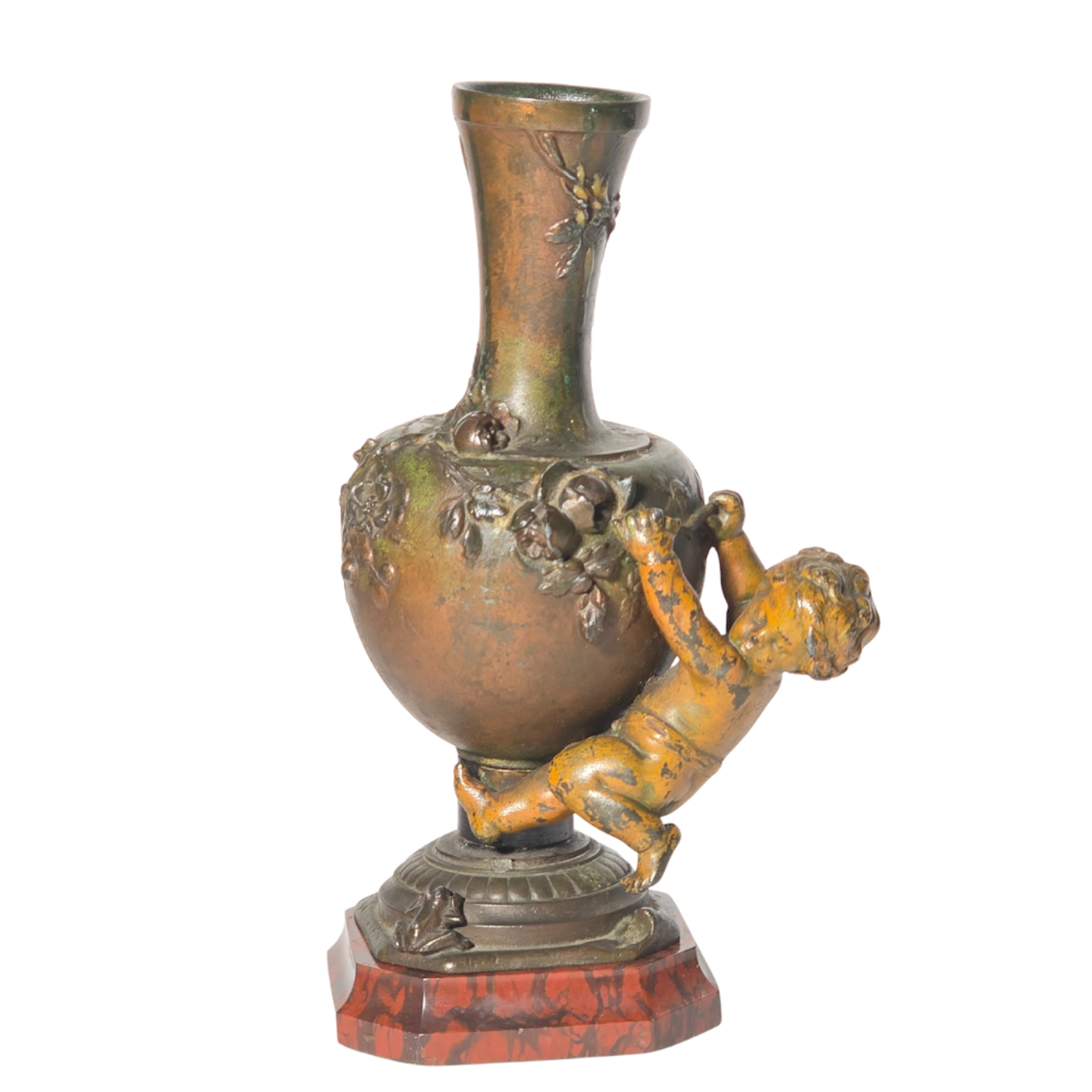
JARRÓN URNA CON QUERUBIN. ESTILO AUGUSTE MOREAU. SIGLO XX.
10/13/2026
$33.58
估價: $45
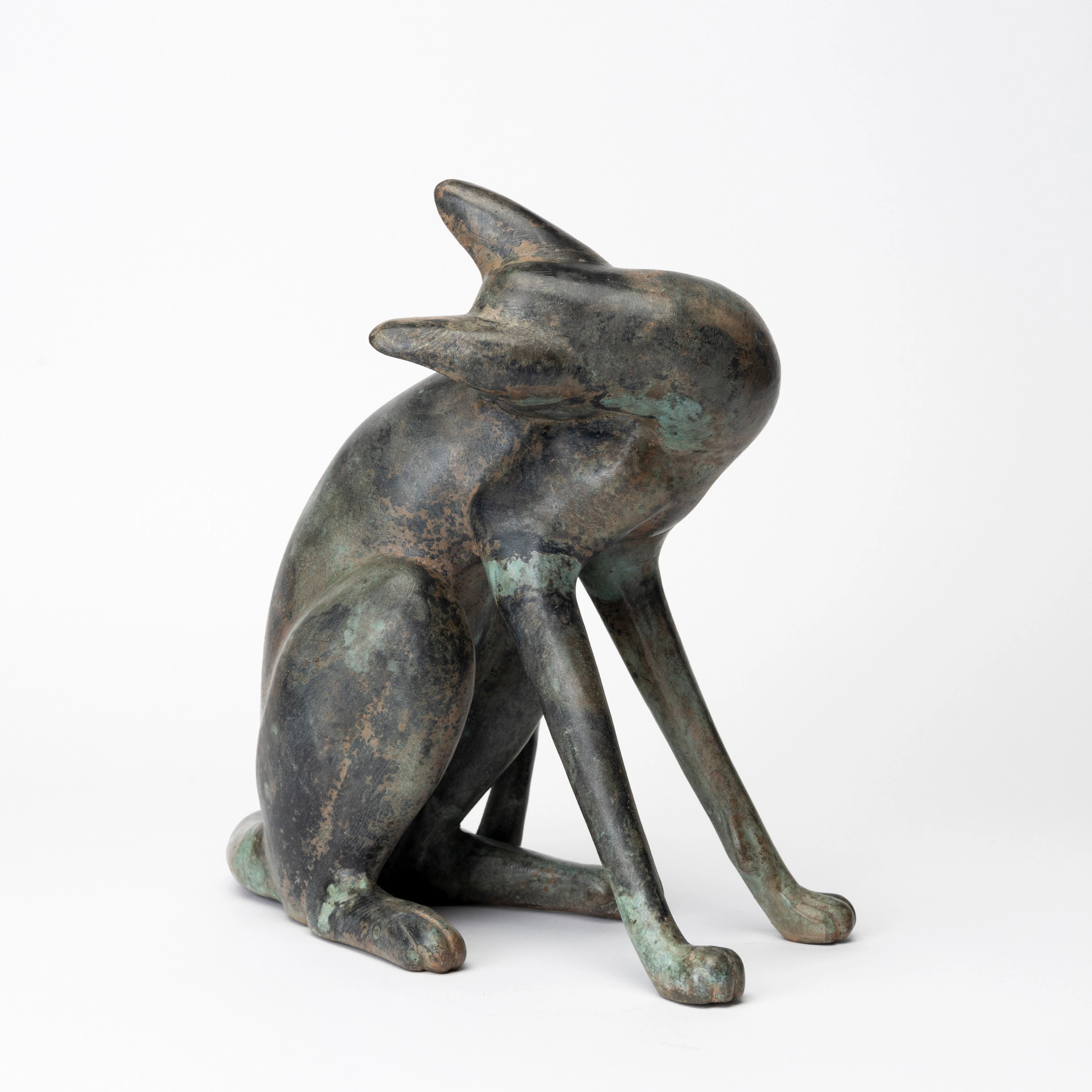
OKÄND KONSTNÄR. Katt, skulptur, brons, omärkt, sent 1900-tal.
10/12/2026
$330.9
估價: $300.02
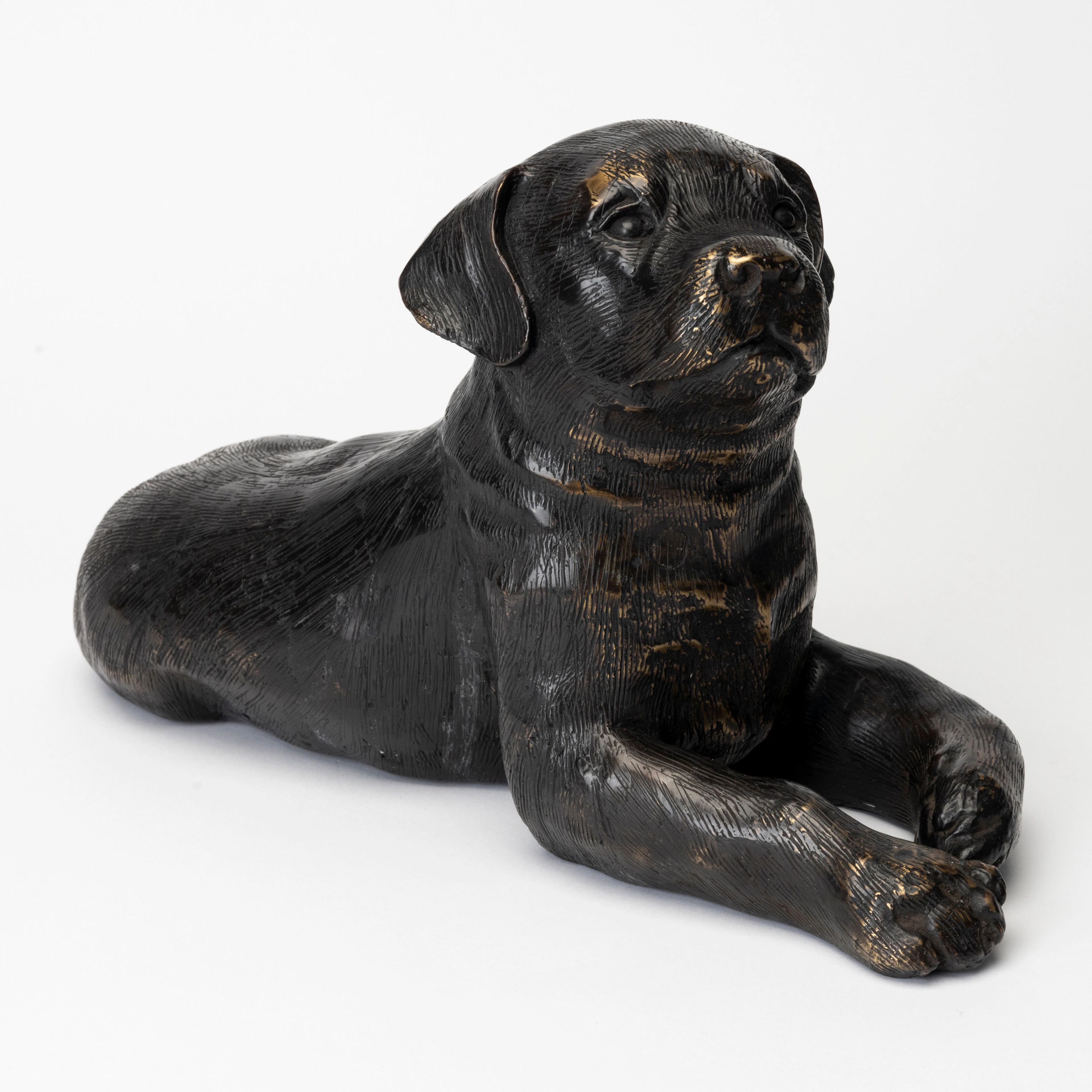
SKULPTUR, patinerad brons, Labradorvalp, samtida.
10/12/2026
$260.39
估價: $300.02

讓您的拍賣觸及全球收藏家!
立刻發佈上架