
全部拍賣 / Arts & Graphics / Joan Miro (1893-1983) - Parler Seul - lithographic licensed print 2004 - COA

Joan Miro (1893-1983) - Parler Seul - lithographic licensed print 2004 - COA
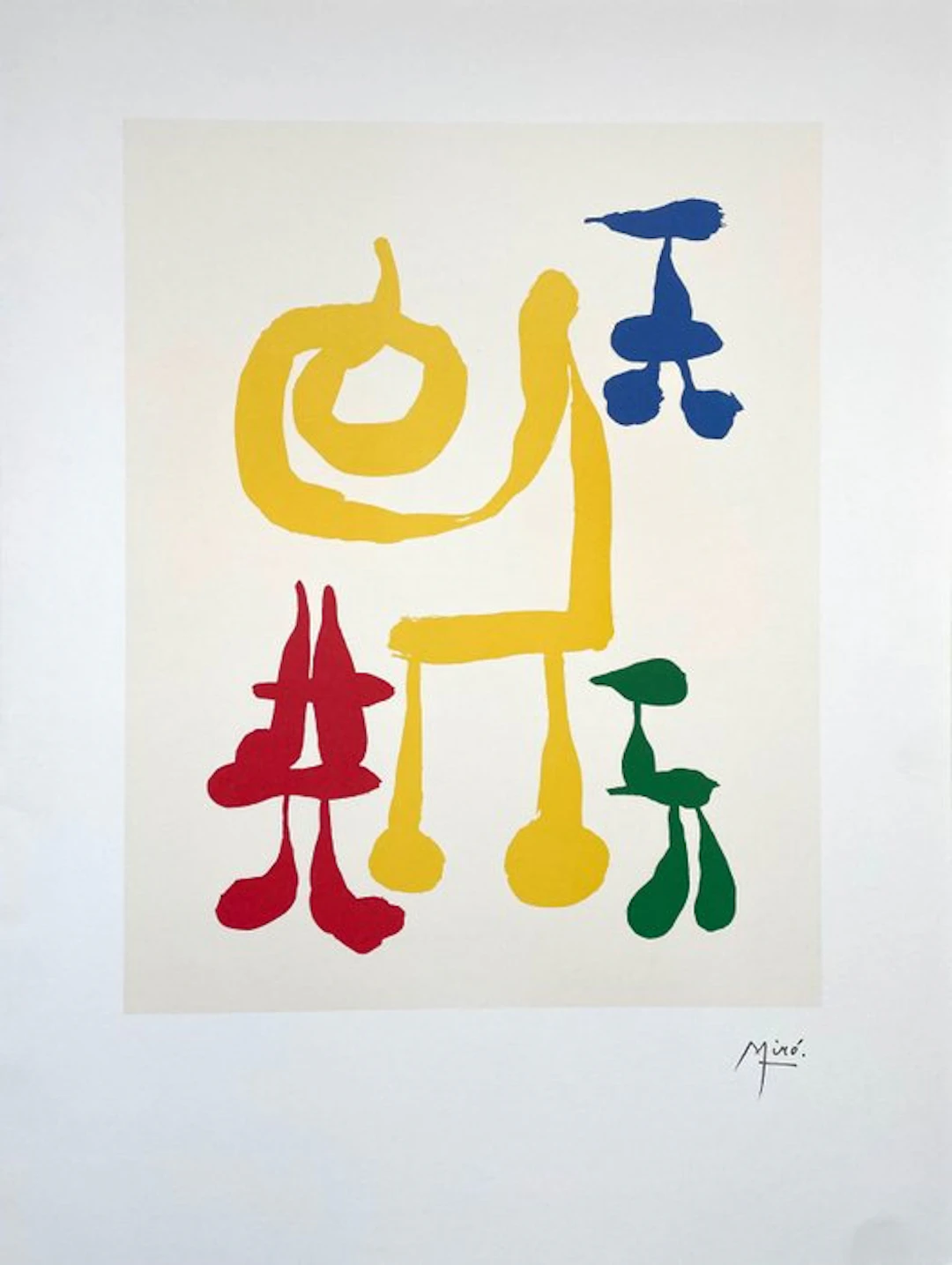
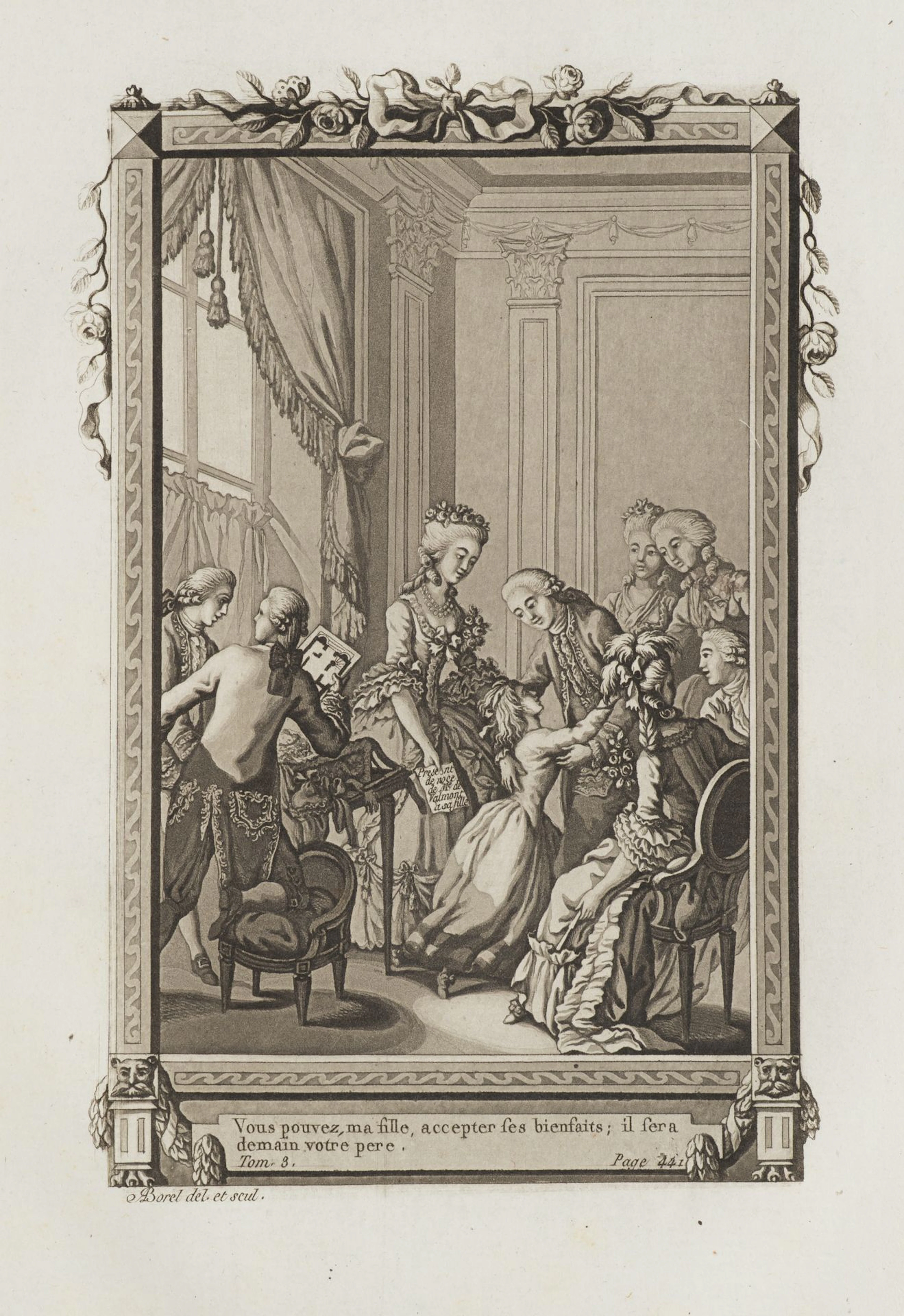
Joan Miró Lithograph (*) This work reproduces one of the illustrations originally created by Miró to illustrate the poetry book “Parler Seul” (**) (Speak Only), written by Tristan Tzara in 1947. Edited by Maeght Editeur in the year 2004. Made on high‑grammage cotton Vellum paper. Signed on the print plate. Publisher’s seal and the Miró Succession seal on the verso of the sheet. Includes Certificate of Authenticity (COA). Specifications: - Support dimensions: 60 x 45 cm - Image dimensions: 42 x 33 cm - Year 2004 - Edition: 1000 copies - References: Cramer 17. Rauch 165 - Condition: Excellent (this work has never been framed or exhibited, and has always been kept in a professional art folder, thus in perfect condition). The work will be carefully handled and packaged in a reinforced flat carton package. Shipping will be tracked with a certificate. The shipment will also include full insurance for the final value of the artwork with full reimbursement in case of loss or damage, at no cost to the buyer. (*) Joan Miró (1893-1983) was born in Barcelona, where he grew up and began his artistic studies. He attended the La Llotja academy against his parents’ wishes, who wanted him to work in a more traditional way. He later studied at the Escola d’Art of Francesc Galí and met the Fauves and the Cubists. His emotional landscapes, which shaped him as a person and as an artist, are essentially Mont-roig, Paris, Mallorca and later New York and Japan. Mont-roig, a small town in the Baix Camp region, would be the counterpoint to the intellectual agitation he experienced in Paris, where he moved in the twenties with the surrealist poets and the most creative artists of his time. There he came to know Arp, Magritte, Brancusi and Giacometti and exhibited with Dalí, Tanguy, Meret Oppenheim and Max Ernst in several exhibitions on Dadaism and Surrealism. The stimulus of abstract expressionism he discovered in New York in the forties. Later, in 1956, in the midst of World War II, Joan Miró would leave his exile in France and settle in Palma de Mallorca, a refuge and workspace, where his friend Josep Lluís Sert would design the studio he had always dreamed of. There he focused on sculpture and ceramics until his death in 1983. Rooted in the landscape of Mont-roig first and Mallorca later, it would be determinant in his work. The bond with the earth and the interest in everyday objects and the natural surroundings would be the backdrop of some of his technical and formal investigations. Miró fled academicism, in constant search of a global and pure work, not affiliated with any particular movement. Content in the forms and public manifestations, it is through the plastic act that Joan Miró shows his rebellion and a great sensitivity to the political and social events surrounding him. This clash of forces led him to create a unique and highly personal language that places him as one of the most influential artists of the 20th century. (**) “Parler Seul” represents a particularly effective collaboration between artist and author. Miró’s brilliantly spontaneous and amorphous images, drawn directly on the stone with very few preparatory sketches, have the inventive brio of Tzara’s random verses. The original edition was produced by Maeght Editeur and consists of 72 original lithographs by Miró, 49 of them in color, 18 of which are hors-text. (*) Joan Miró (1893-1983) was born in Barcelona, where he grew up and began his artistic studies. He attended the La Llotja academy against his parents’ wishes, who wanted him to work in a more traditional way. He later studied at the Escola d’Art of Francesc Galí and met the Fauves and the Cubists. His emotional landscapes, which would shape him as a person and as an artist, are essentially Mont-roig, Paris, Mallorca and later New York and Japan. Mont-roig, a small town in the Baix Camp region, would be the counterpoint to the intellectual agitation in Paris, where he moved in the twenties with the surrealist poets and the most creative artists of his time. There he came to know Arp, Magritte, Brancusi and Giacometti and exhibited with Dalí, Tanguy, Meret Oppenheim and Max Ernst in several exhibitions on Dadaism and Surrealism. The stimulus of abstract expressionism he discovered in New York in the forties. Later, in 1956, in the midst of World War II, Joan Miró would leave his exile in France and settle in Palma de Mallorca, a refuge and workspace, where his friend Josep Lluís Sert would design the studio he had always dreamed of. There he focused on sculpture and ceramics until his death in 1983. Rooted in the landscape of Mont-roig first and Mallorca later, it would be determinant in his work. The bond with the land and the interest in everyday objects and in the natural environment would be the background of some of his technical and formal investigations. Miró fled academia, in constant search of a global and pure work, not attached to any movement. Content in the forms and in public manifestations, it is through the plastic act that Joan Miró shows his rebellion and a great sensitivity to the political and social events surrounding him. This clash of forces led him to create a unique and highly personal language that places him among the most influential artists of the 20th century. (**) “Parler Seul” represents a particularly effective collaboration between artist and author. Miró’s brilliantly spontaneous and amorphous images, drawn directly on the stone with very few preparatory sketches, have the inventive vigor of Tzara’s random verses. The original edition was produced by Maeght Editeur and consists of 72 original lithographs by Miró, 49 of them in color, of which 18 are hors-text.
估價:$167.94
前往拍賣頁查看所有物品來自Catawiki或Arts & Graphics
估價:
$167.94
類似物品

類似物品的拍賣結果
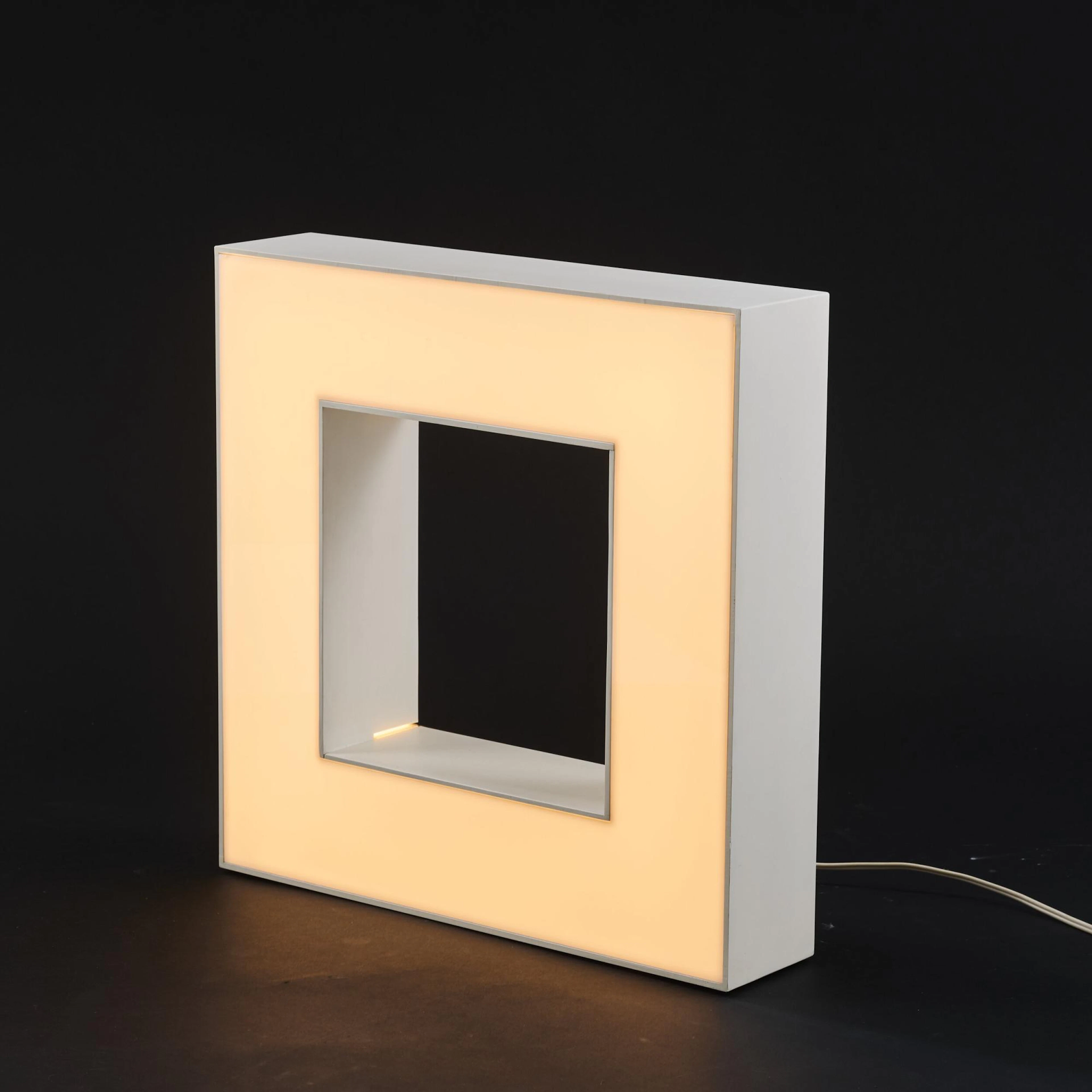
Aldo van den Nieuwelaar Wand- / Tischleuchte 'Ming', 1968 (Entwurf)
10/13/2026

$1,231.56
估價: $1,364.93
讓您的拍賣觸及全球收藏家!
立刻發佈上架