拍品/hyakumanto pagoda with printed dharani QYhbxLZ 632677998 / 在售
拍品/hyakumanto pagoda with printed dharani QYhbxLZ 632677998
在售價格走勢
拍品/hyakumanto pagoda with printed dharani QYhbxLZ 632677998
在售價格走勢
讓您的拍賣觸及全球收藏家!
立刻發佈上架讓您的拍賣觸及全球收藏家!
立刻發佈上架訂閱即表示您同意 隱私政策。可隨時取消訂閱。
Barnebys HQ
Brahegatan 10
BOX 5038
114 37 Stockholm
全部拍賣 / Asian Art / Hyakumanto Pagoda with Printed Dharani

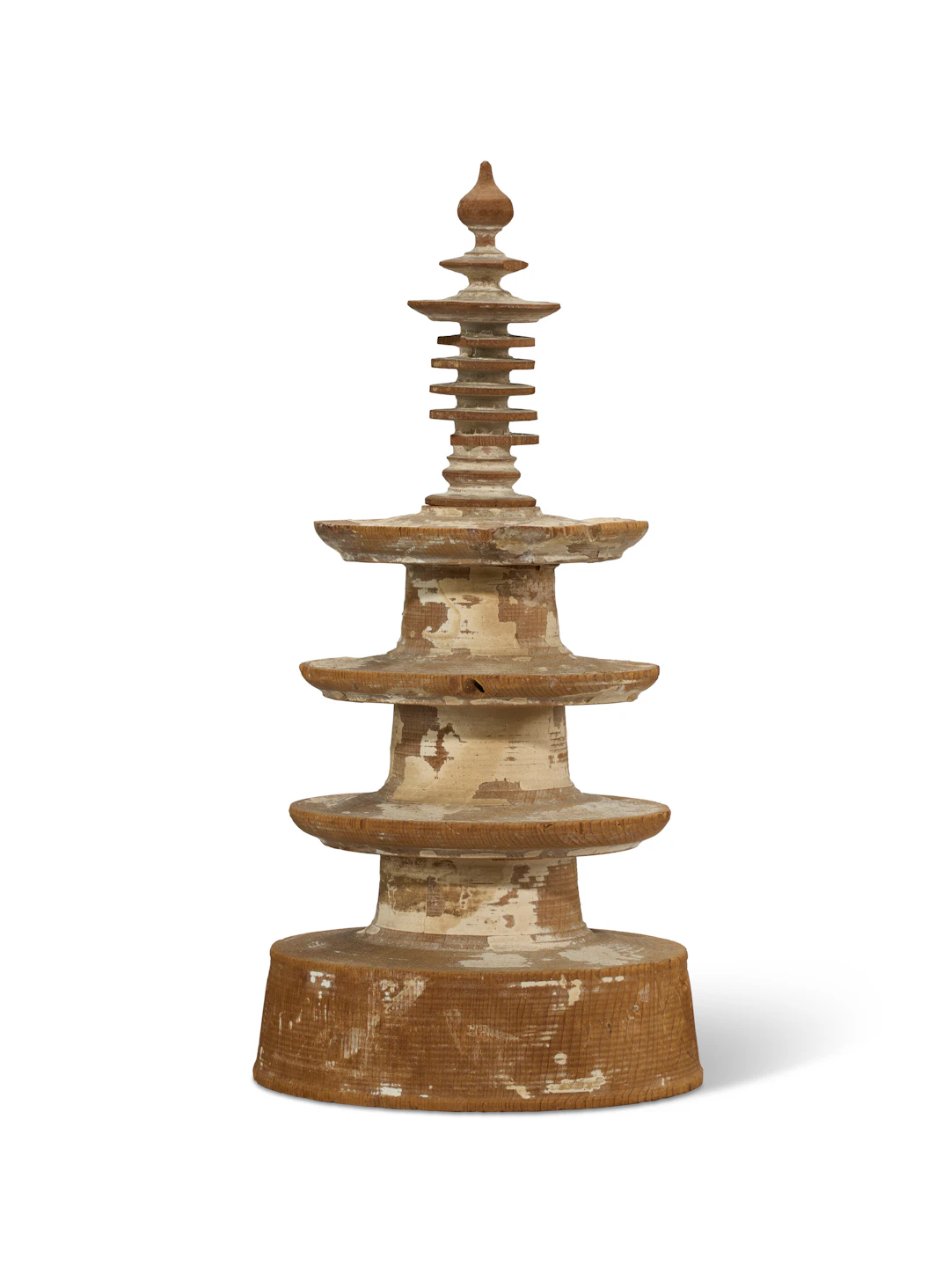
[JAPANESE PRINTING]. A Hyakumanto pagoda with associated printed dharani . Nara Period (ca 770 CE). A three-tier turned wood pagoda with detachable finial covering an interior cavity containing a block-printed dharani [charm] with the standard 31-column text of five characters per column, with fitted inscribed wood box (text with some old restoration mainly at margins but touching about ten characters). 212 mm high. The earliest authenticated physical example of printing. The Empress Shotoku, either in gratitude or hopes for the end of civil strife or to atone for an inappropriate liaison with a Buddhist monk (accounts vary), commissioned one million miniature pagodas to be placed in Buddhist temples throughout Japan. Each hyakumanto contained in its hollow core one small scroll, called dharani , in Sanskrit with Chinese characters, printed on paper from either a wood block or metal plate (historians disagree on the production method). The Buddhist charm or prayer is an excerpt from a sutra (a collection of precepts) that promises expiation of sin and the awarding of religious merit through the copying of prayers and construction of the repositories. There was a selection of four texts for the dharani . This is the earliest authenticated physical example of printing (there is a Korean contender), preceding Gutenberg’s moveable type by several centuries. Although there remain pagodas in the temple at Huryuji, examples of the hyakumanto are fairly rare outside of Japan.
估價:$10,000
前往拍賣頁查看所有物品來自Christie's或Asian Art
估價:
$10,000
讓您的拍賣觸及全球收藏家!
立刻發佈上架
PARTI PORSLIN (4 delar), Kina och Japan, liten skål, samt ask, burk
10/05/2026
$40
估價: $99.66