
全部拍賣 / Furniture, Design & Mirrors / Games table - Walnut, bronze casting - Openable demi-lune console

Games table - Walnut, bronze casting - Openable demi-lune console
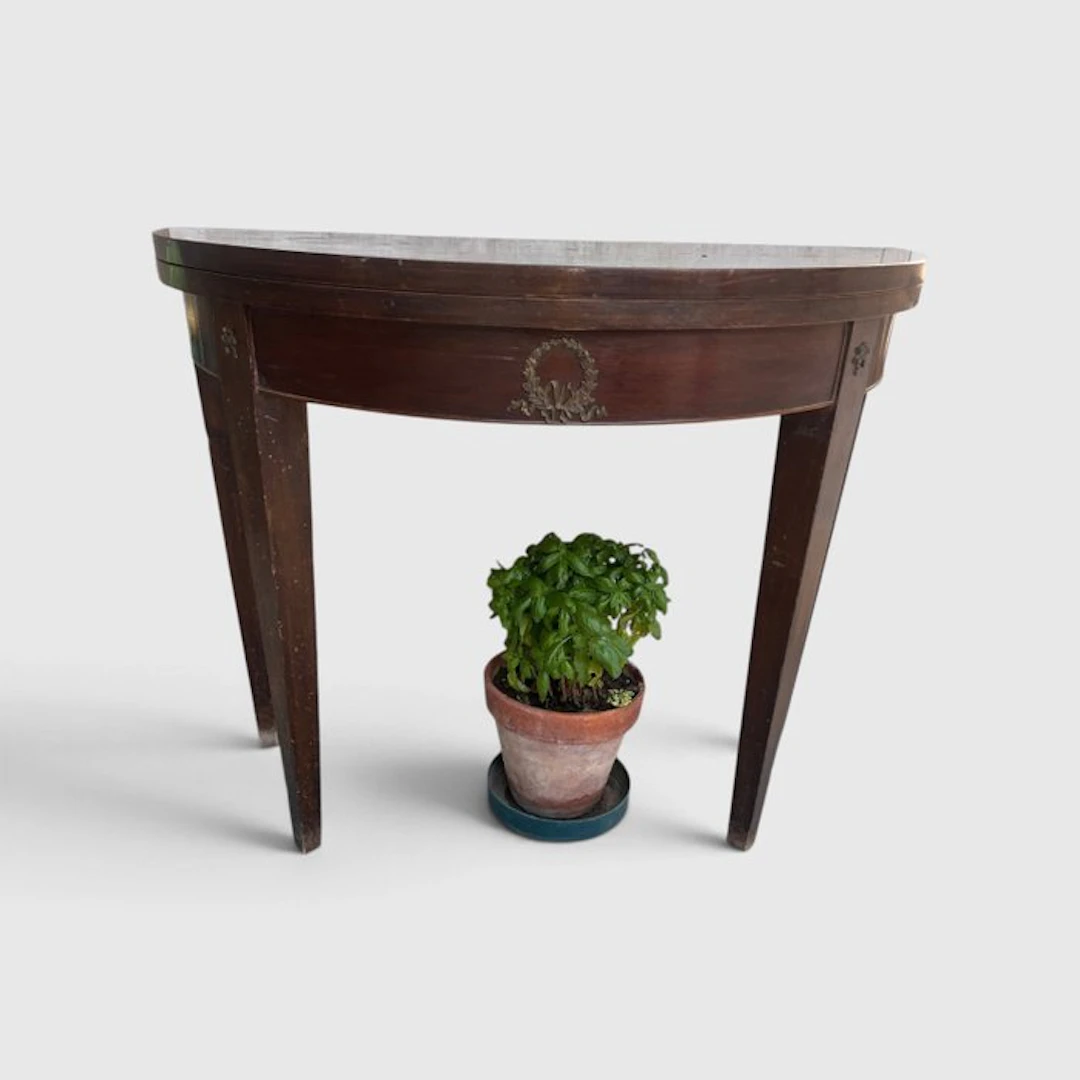
The furniture is a crescent-shaped gaming table (commonly called a demi-lune table or fold-out console), antique and of Italian or French manufacture, dating to the first half of the 19th century (19th century / nineteenth century). The reference style is Neoclassicism, with strong echoes of the sober and elegant lines of the Louis XVI period and of the subsequent Directoire / Empire style. Compared to the previous Baroque splendors, this style favors symmetry, clean geometric forms, and inspiration from Greco-Roman antiquity. Structural Analysis and Operation The piece is born with a dual decorative and functional nature, conceived for the salons of the upper middle class or the aristocracy of the 19th century: The Console (Closed): When the table is placed against the wall, it presents itself as a refined space-saving console. The upper surface has a perfect semicircular shape (crescent). The Gaming Table (Open): The top consists of two mirror-like panels joined by concealed hinges. For use, the central rear leg (or a compasso-style structure integrated into the frieze) is drawn outward to provide support. The half-top folds back in a 180° book motion, transforming the console into a perfectly circular coffee table, historically used for card games, reading, or tea service. The Supports: The table rests on slender square-section legs, known as spindles or truncated pyramidal legs. This tapering form toward the bottom lightens the piece and enhances its silhouette. Decorative Details and Hardware The ornamental arrangement is sober and focused at the furniture’s focal points: Central Frieze: In the center of the lower panel’s frieze is a finely chased brass (golden-bronze or bronzed) application. It depicts a laurel wreath (or crown) tied at the bottom by a flowing ribbon with a bow. This motif symbolized fame, wisdom, and eternity, and was one of the neoclassical period’s most loved decorations. Applications on the Legs: On the top of each leg (the junction block with the frieze) is applied a small geometric and floral bronze element (a rosette or a small decorative “stud”), which serves to break the verticality of the wood. Current Condition From the images it is evident that the piece is structurally intact and retains an excellent original patina, but shows the physiological signs of time: Wood Surface: The top shows slight dulling and surface scratches from use (including a light circular impression on the open top). The essence appears to be a premium wood (likely walnut, mahogany, or a veneer in dark woods). Signs of Time: On the legs and frieze there are small carpenter bee holes. The appearance of these holes (dark and without fresh sawdust) suggests an old infestation that is no longer active, typical of antique furniture that has lived in non-climate-controlled environments.
估價:$168.55
前往拍賣頁查看所有物品來自Catawiki或Furniture, Design & Mirrors
估價:
$168.55
類似物品

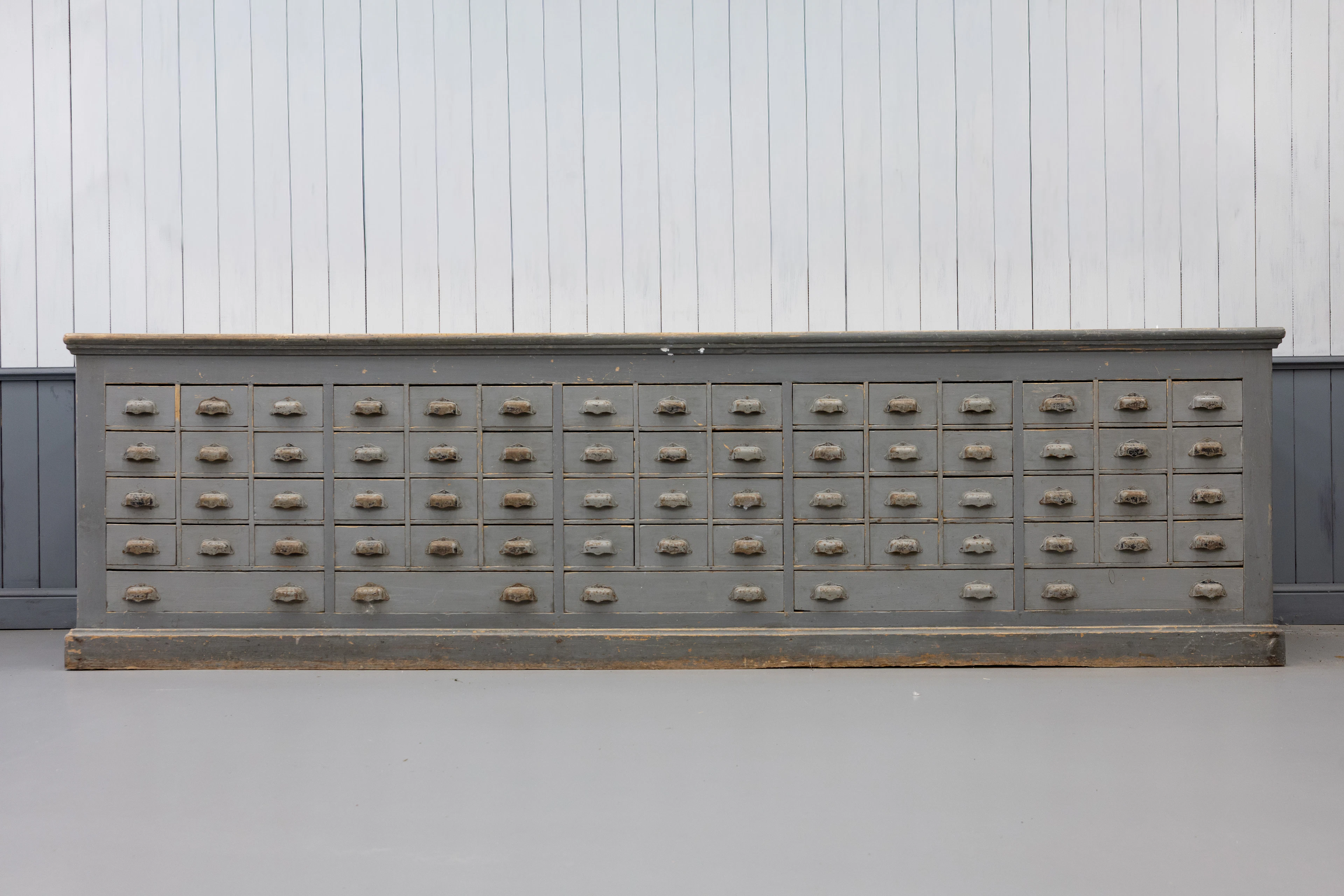
類似物品的拍賣結果
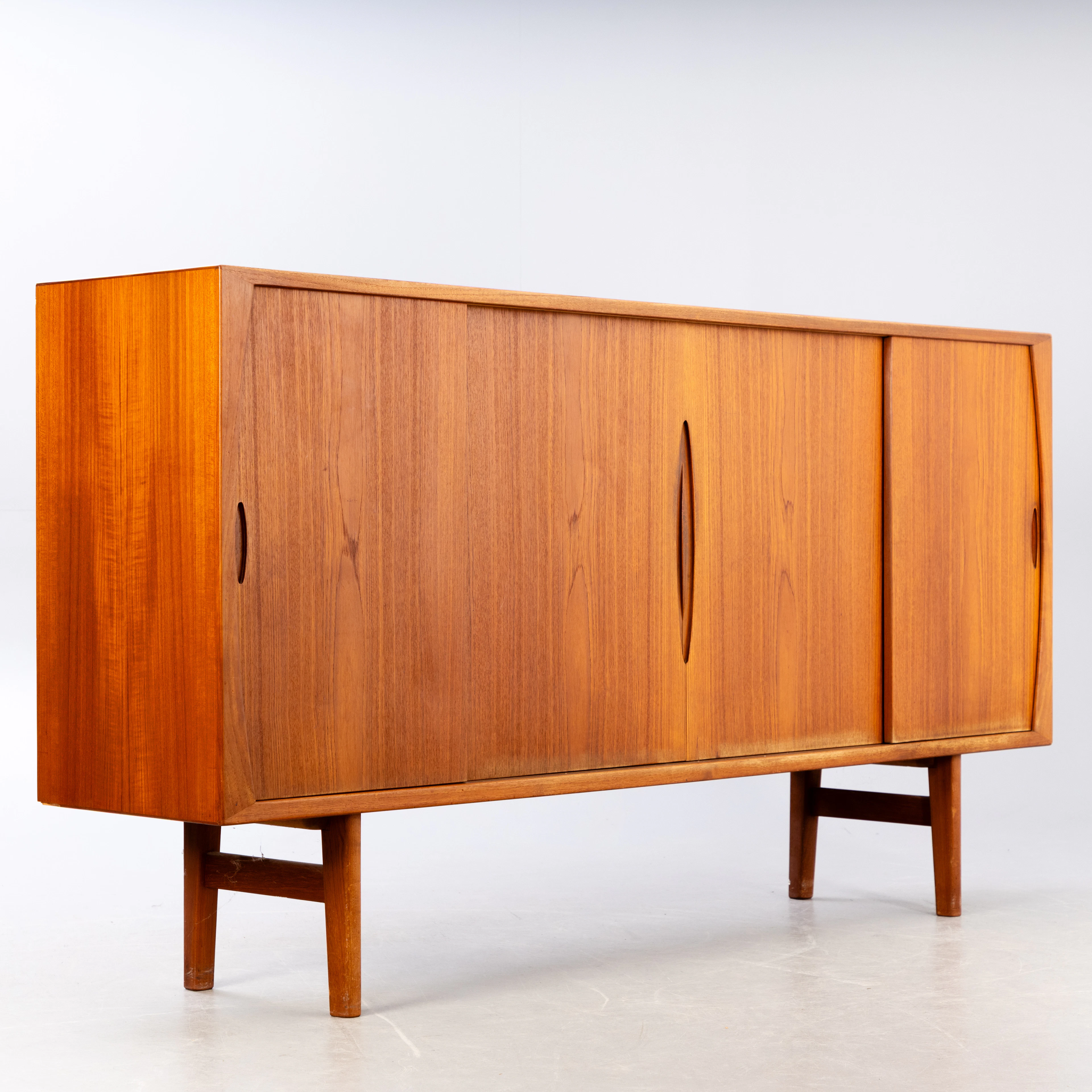
HENNING KJÆRNULF. Sideboard / Highboard in Teakholz für Bruno Hansen
10/16/2026
$618.04
估價: $1,121.28
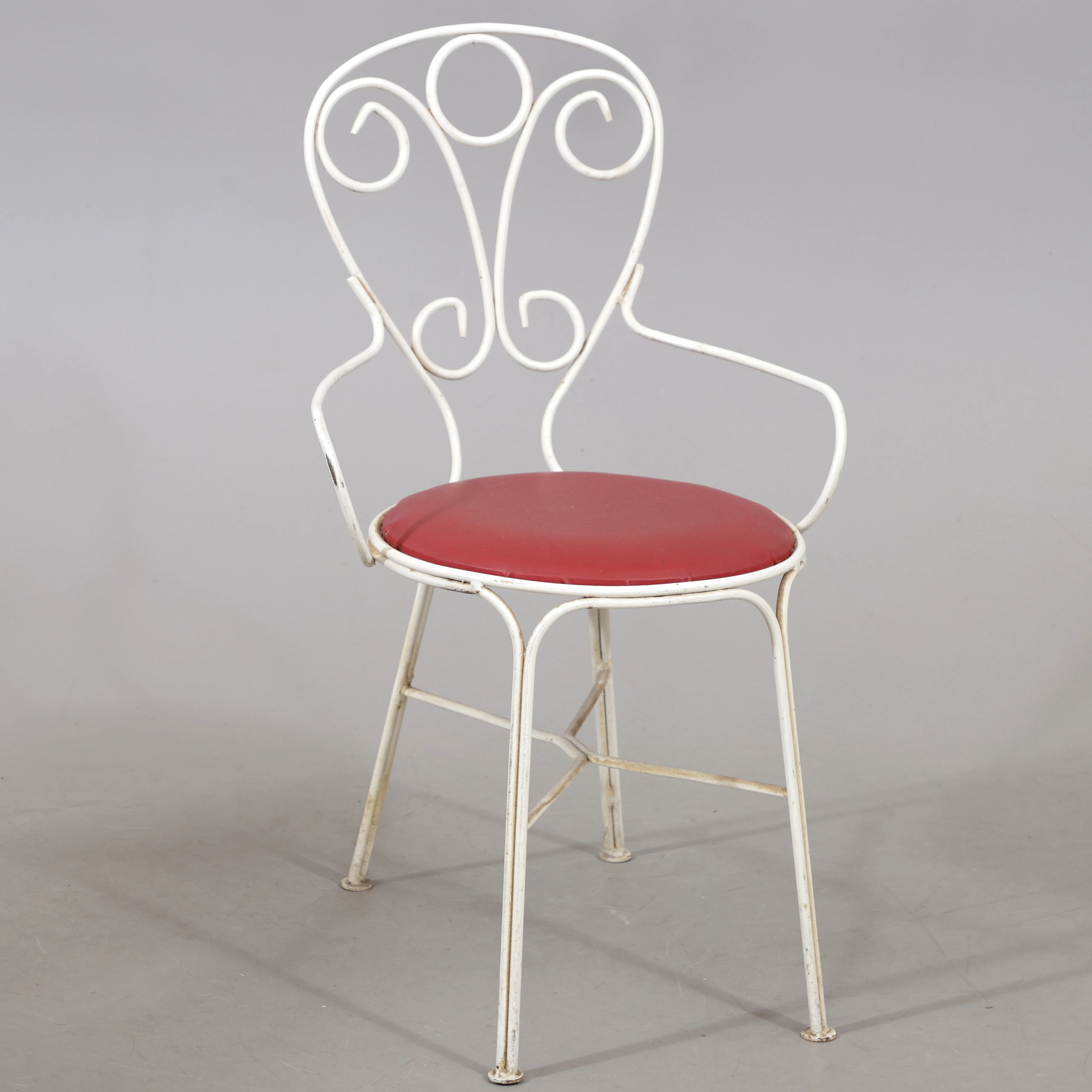
CAFÉSTOL/TRÄDGÅRDSSTOL, smide, 1900-talets första hälft.
10/16/2026
$30.26
估價: $50.23
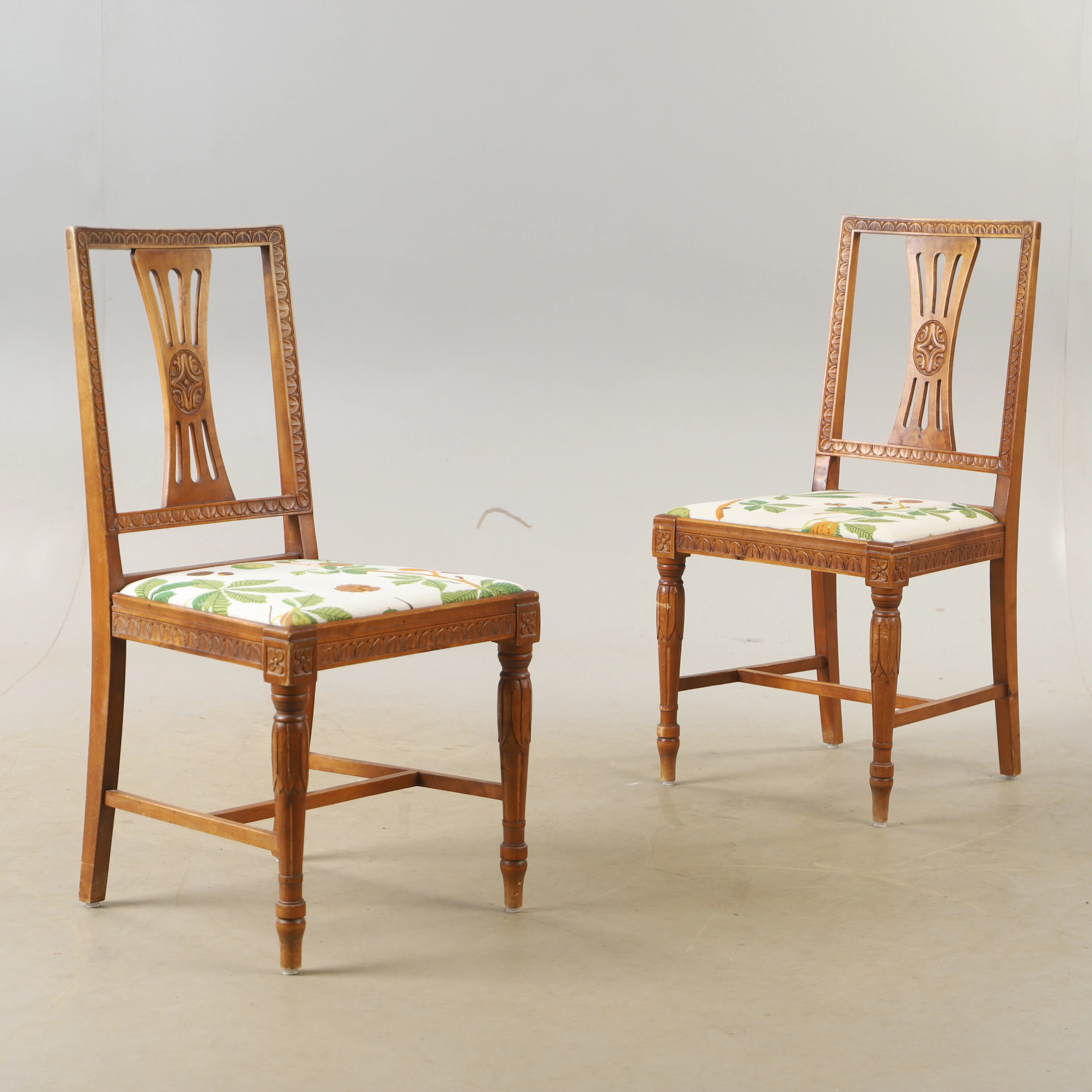

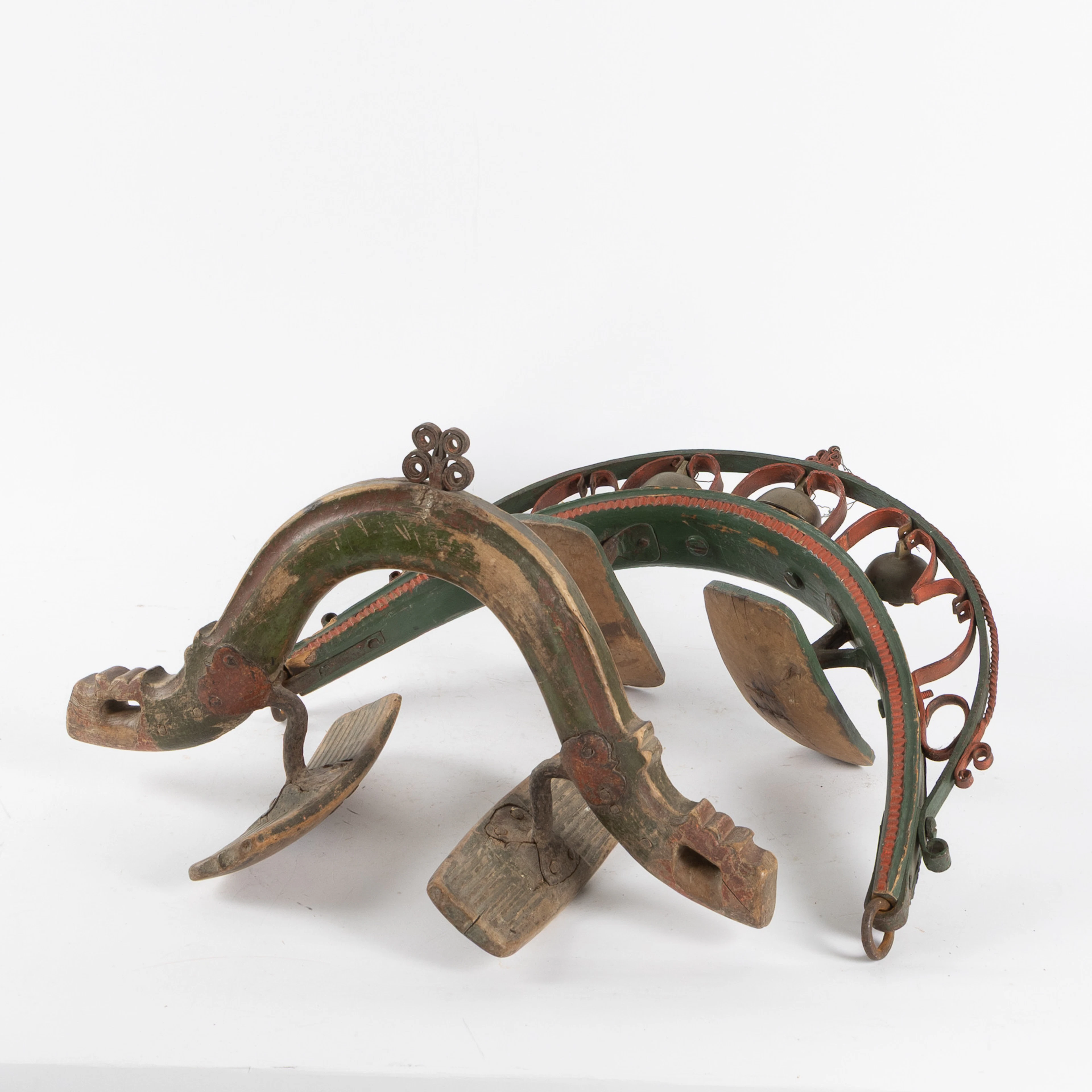
SELBÅGE, 2 stycken, allmoge, bemålat trä samt smide, 1800-tal.
10/16/2026
$55.48
估價: $120.56
讓您的拍賣觸及全球收藏家!
立刻發佈上架