
全部拍賣 / Furniture, Design & Mirrors / End XIXth Century Richelieu bed linen with R.M

End XIXth Century Richelieu bed linen with R.M
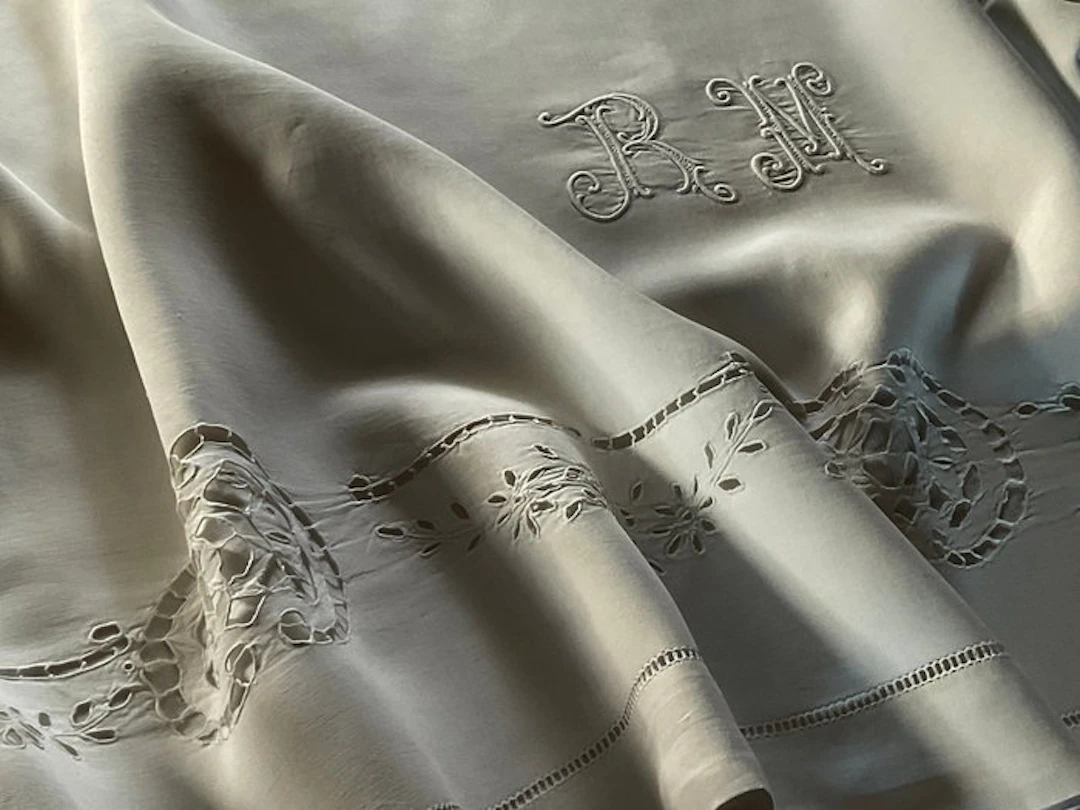
Exceptional 19th-Century French Linen Bed Linen with Richelieu Embroidery A Remarkable Example of French Needlework This is an exceptional piece of 19th-century French bed linen, woven from pure, fine linen and adorned with exquisite hand-embroidered Richelieu work. Entirely hand-sewn, it is characteristic of the finest trousseau linen of its period, when even household textiles were created with extraordinary patience, skill and attention to detail. The embroidery is a magnificent example of Richelieu work, a delicate, lace-like form of white-on-white cutwork in which portions of the linen are carefully cut away to create intricate openwork designs. The technique evolved from the Italian cutwork tradition known as Punto Tagliato and became a highly prized form of decorative needlework. Five magnificent medallions, each featuring a large chrysanthemum-like floral motif, extend across the width of the linen. The embroidered design continues approximately 50 cm around the return of the cloth, creating an elegant and beautifully balanced composition. The medallions are linked by graceful garlands of floral decoration, while each of the two corners is embellished with additional floral motifs. The initials R.M. are particularly noteworthy. They are double-outlined and filled with delicate pinhead embroidery, giving the monogram additional definition and a distinguished appearance. The combination of intricate cutwork, raised embroidery and fine detailing demonstrates remarkable needlework skills. The result is a superbly elegant piece in which the artistry of the embroidery speaks for itself. An Important Note on Condition and Restoration It is worth remembering how linen was washed in the 18th and 19th centuries, long before the arrival of the washing machine. Household linen was commonly taken to local washhouses or streams in large wicker baskets. There, the washing women would beat the linen against smooth stones to remove dirt, rinse it thoroughly and wring out the excess water, sometimes with two people holding opposite ends of the cloth. The linen would then be spread over the grass to dry and bleach naturally in the sunlight. Although effective, this laborious process could be extremely harsh on fine textiles, and repeated beating often resulted in tears and damage. Unfortunately, this particular piece has not escaped the effects of such treatment. A tear had developed across the centre of the linen. My couturière has carefully restored the damaged area, removing the break and rejoining the two matching sections with a discreet English blind seam. Please refer to the final photograph for a view of this restoration. The seam is situated approximately 1.50 metres from the top of the linen and will not be visible when the bed is dressed. I consider it important to disclose this restoration fully, so that the future owner can appreciate both the beauty of the piece and its condition. A Treasured Heirloom from a French Château The provenance is once again the château near which I live, from whose remarkable ancestral linen collection I have had the privilege of acquiring some wonderful pieces over the past two years. The château's owners have been custodians of several generations of family linen, preserving textiles that once formed an important part of domestic and family life. In 19th-century France, fine bed linen was often an essential component of a young woman's trousseau, prepared in anticipation of marriage and carefully stored in the family's linen armoire. Among the nobility and prosperous bourgeoisie, beautifully embroidered linen represented both a mark of refinement and a valuable family possession. Such pieces were carefully folded and returned to their armoires after use, awaiting another special occasion. This tradition helped preserve many remarkable examples of French textile craftsmanship for generations. The owners assured me that this particular bed linen had never been used during their lifetime and had remained carefully stored away. Having personally examined the entire piece, I have found no other fault apart from the disclosed restoration seam. Its fine linen, elaborate embroidery and distinguished monogram make it a particularly attractive survivor from this tradition of French domestic craftsmanship. Measurements Width: 2.30 metres The generous width makes this an excellent choice for dressing a bed up to approximately 1.80 metres wide, allowing the embroidered borders to fall elegantly at either side. Please note that the width given is the measurement of the linen itself; the final drape will depend on the dimensions of the mattress and the way the linen is arranged. A Piece of French Textile Heritage More than simply antique bed linen, this is a beautiful survivor of an age when fine household textiles were created to last for generations. Its elaborate Richelieu embroidery, floral medallions, carefully worked initials and château provenance give it considerable decorative charm and historical interest. For the collector of antique French linen, or for someone wishing to introduce a touch of authentic French elegance into a beautifully dressed bedroom, this is a distinctive and characterful piece of 19th-century craftsmanship.
估價:$391.86
前往拍賣頁查看所有物品來自Catawiki或Furniture, Design & Mirrors
估價:
$391.86
類似物品


類似物品的拍賣結果
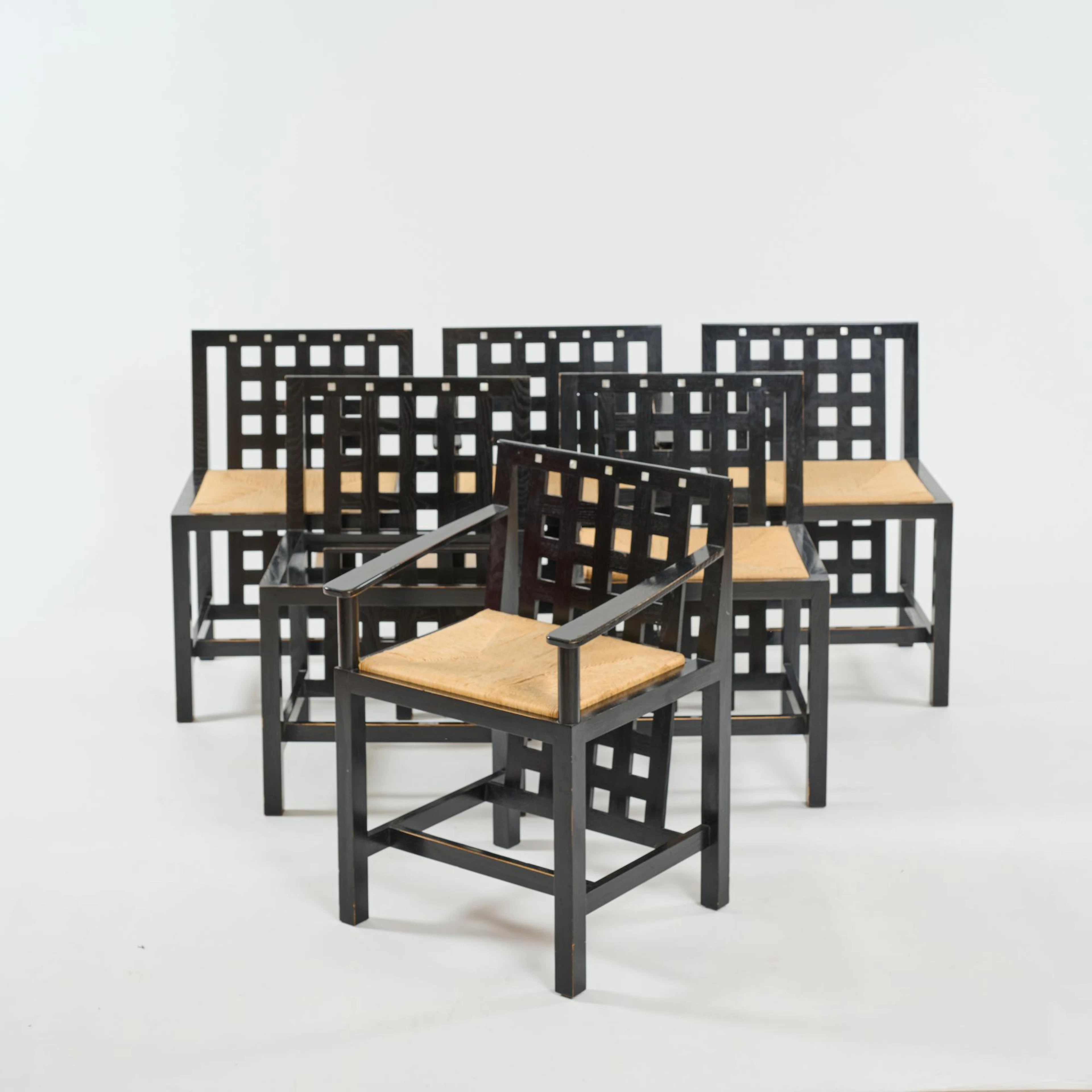
Charles Rennie Mackintosh Vier Stühle und zwei Armlehnstühle 'Candida
10/13/2026

$2,463.13
估價: $2,526.98
讓您的拍賣觸及全球收藏家!
立刻發佈上架