
全部拍賣 / Arts & Graphics / École française (XVII-XVIII) - Portrait d'un couple noble

École française (XVII-XVIII) - Portrait d'un couple noble
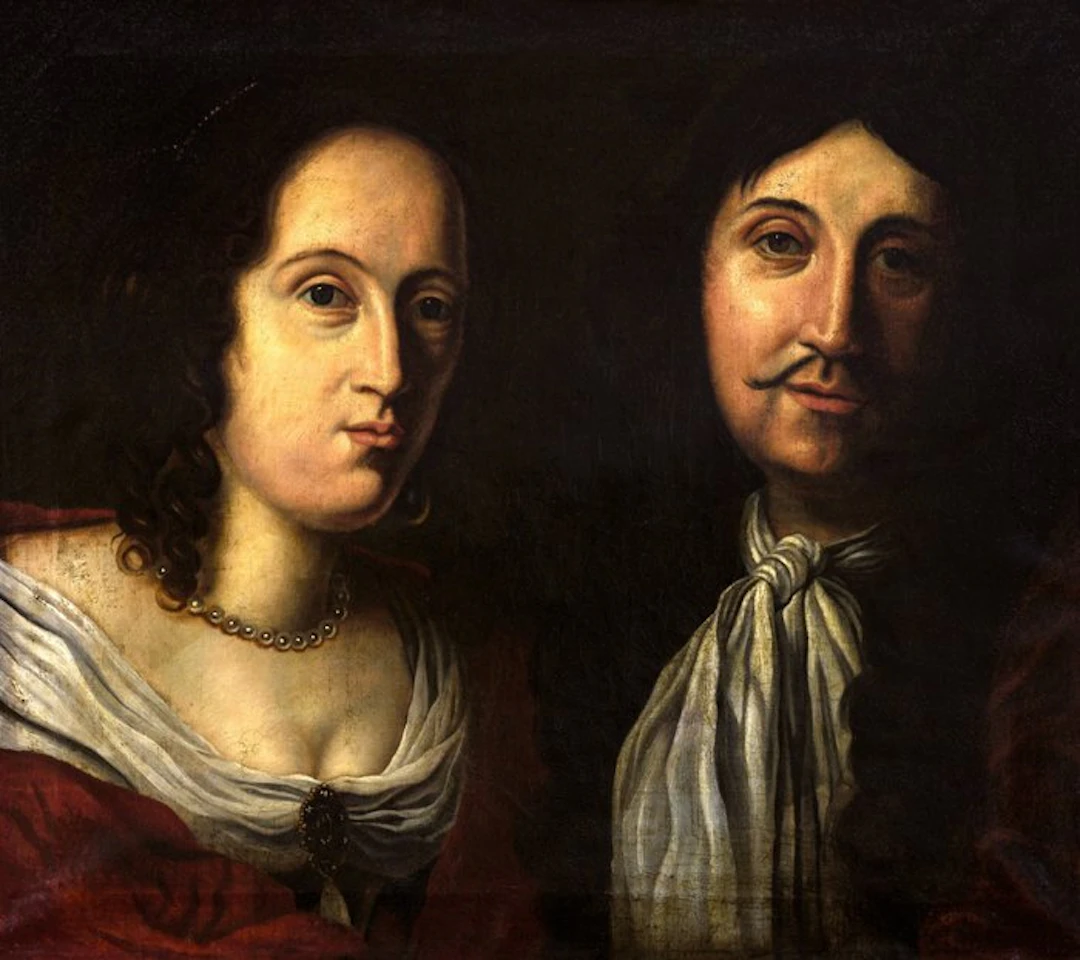
Italian School of the XVII-XVIII centuries Double portrait of a noble couple – Oil on canvas Interesting old oil painting on canvas, cataloged as Italian School of the XVII-XVIII centuries, representing an elegant double portrait of a lady and a gentleman, dressed according to the conventions of European aristocratic fashion of the Baroque era. The work stands out for its intimate composition, the expressiveness of the faces, the treatment of the flesh tones, and the use of warm lighting that emerges against a dark background. The representation responds to the principles of Baroque portraiture, a genre that attained extraordinary importance in European painting during the seventeenth and eighteenth centuries, especially among the noble classes, courtiers, and well-to-do burghers. The painter concentrates attention on the identity and presence of the subjects, omitting architectural or decorative elements that might distract the viewer’s eye. The result is a solemn and elegant composition, which combines the historical interest of dress with the expressive qualities of antique painting. Description of the work The composition presents two half-length figures, placed side by side on a dark-toned background. To the left appears a young lady, depicted with her face slightly turned toward the viewer. Her expression is serene and restrained, with a direct gaze and delicate modulation of the features. The face shows a light complexion, worked with soft transitions between illuminated areas and shadows. The broad forehead, almond-shaped eyes, and small lips respond to certain aesthetic conventions of European portraiture of the Baroque era. Dark hair, arranged in curls that fall to the shoulders, frames the face and adds movement to the composition. The lady wears an elegant garment in a reddish hue, accompanied by a broad white fabric covering part of her shoulders and décolletage. The folds of the fabric are represented through delicate variations of whites, grays, and warm tones. At the center of the chest appears a dark ornamental clasp, which gathers part of the fabric and constitutes one of the main details of the clothing. Around the neck shines a pearl necklace, an element traditionally associated with refinement and an affluent social position. The combination of the red dress, the white fabric, and the pearls introduces an attractive chromatic contrast with the dark background. On the right appears a gentleman with long dark hair, also depicted in half-length. His face presents a calm expression, with the gaze directed toward the spectator. Notably, the fine mustache with slightly upturned tips, characteristic of certain models of male portraiture of the Baroque period, stands out. The figure wears dark clothing with reddish tones, accompanied by a wide white scarf tied around the neck. The fabric features numerous vertical folds, represented through a combination of light and shadow that gives volume. The arrangement of both figures establishes a visually balanced relationship. The proximity between the figures suggests a personal link, possibly marital or familial, although there is no documentation available to confirm their identities. Italian portraiture of the XVIIth and XVIIIth centuries During the XVIIth and XVIIIth centuries, the portrait was one of the fundamental genres of Italian painting. Princely courts, aristocratic families, and urban elites commissioned portraits to preserve family memory, express their social position, and convey a certain image of prestige. The tradition of Italian portraiture developed from the great models established during the Renaissance and Mannerism, later evolving toward a language of greater naturalism and expressiveness. During the Baroque, artists paid special attention to lighting, the psychological representation of the subjects, and the richness of fabrics. The influence of Venetian painting, the naturalistic tradition of the seventeenth century, and European courtly models contributed to the development of different regional schools. In cities such as Venice, Rome, Bologna, Florence, and Naples, portraiture acquired particular characteristics, though it maintained certain common elements. Among them, the importance of the face, the representation of clothing, and the use of dark or neutral backgrounds to reinforce the presence of the subjects stand out. This painting participates in this tradition through a composition focused on the figures, selective lighting, and careful rendering of clothing details. Style and artistic influences The painting presents features related to European Baroque portraiture, especially through the use of chiaroscuro and the concentration of lighting on the faces. The dark background allows the flesh tones and white textiles to take on special prominence. This procedure was widely used by numerous European painters during the seventeenth century. The composition shows general affinities with the tradition of Italian court portraiture, particularly in the representation of half-length figures and in the attention given to clothing. Shared characteristics can also be seen with Flemish and French portraiture of the period, whose formal conventions exerted a significant influence on European painting. The work presents a relatively sober conception, without prominent architectural elements or symbolic accessories. The artist seems mainly interested in the individual expression of the subjects and in the visual relationship between them. The treatment of the faces shows a willingness toward naturalism, while the clothing is resolved with brushstrokes that emphasize the folds and the contrasts of lighting. The combination of these elements generates a painting of notable historical and decorative interest. The clothing and its historical context One of the most interesting aspects of the work is the representation of European fashion of the Baroque era. The lady appears dressed in a gown with a wide neckline, accompanied by white fabric arranged over the shoulders. This type of attire finds parallels in numerous European female portraits of the second half of the seventeenth century. The pearl necklace is a characteristic element of representations of women in positions of affluence. Pearls were frequently used in court portraiture as a symbol of elegance, refinement, and prestige. The hairstyle, formed by curls that descend to the shoulders, also shows affinities with certain female models from the middle to the late seventeenth century. For her part, the gentleman wears a white scarf tied around the neck, an accessory that acquired growing importance in European male fashion during the second half of the seventeenth century. The long hair and the fine mustache complete an appearance related to the period’s masculine conventions. The combination of these elements allows placing the depicted models within the context of European fashion of the second half of the seventeenth century, though it does not necessarily determine the painting’s exact date of execution. Light treatment Lighting is one of the main expressive tools of the composition. The artist uses a dark, practically uniform background, on which the faces and light fabrics stand out. The light falls especially on the lady’s forehead, cheeks, and neck. The illuminated areas display warm tones, while the shadows are resolved with brownish and reddish hues. In the male face, the lighting helps define the facial structure, especially the forehead, nose, and cheekbones. The white scarf introduces an important luminous area at the lower part of the figure. This contrast between light surfaces and the dark background creates a sense of volume and depth. The lighting does not serve only a descriptive function but also contributes to reinforcing the psychological presence of the characters. Attention is immediately drawn to the faces, which constitute the true expressive center of the painting. Composition and representation of the characters The work presents a horizontal composition organized by two half-length figures. The characters are placed at a short distance, occupying almost the entire pictorial surface. The lady is on the left and the gentleman on the right. Both have a frontal arrangement, though their faces show slight variations in orientation. The proximity between the figures generates a sense of visual unity. The artist uses the white fabrics and the reddish outfits to establish chromatic relationships between the two characters. The lighting of the faces helps visually balance the composition. The absence of a landscape or architectural interior reinforces the intimate nature of the portrait. The viewer’s attention is directed toward the expressions, hairstyles, and clothing details. The painting can be related to the tradition of family or matrimonial portraits, common among European elites of the Baroque era. However, the identities of the subjects and the exact nature of their relationship remain undocumented. Pictorial technique The work is executed in oil on canvas, a technique widely used in Italian painting of the XVII and XVIII centuries. Oil painting allowed for developing soft color transitions and accurately representing the different qualities of skin, hair, and textiles. In the present composition, the treatment of flesh tones shows particular attention to changes in lighting. The faces present a relatively smooth pictorial surface, with gradual transitions between light and dark areas. The white fabrics are rendered through tonal variations suggesting the folds and drapery. The reddish garments are executed more darkly, partially blending into the background. Together they respond to a traditional conception of Baroque portraiture, in which the representation of volume and lighting plays a fundamental role. Condition and verso The painting shows signs of age and superficial alterations visible in the photographs, compatible with the passage of time. In certain areas there is a network of craquelure, especially noticeable in the flesh tones and illuminated surfaces. The verso shows a dark-toned canvas mounted on a wooden frame. Several small light fabric patches adhered to the back are observed, possibly related to old conservation or reinforcement interventions. The wood of the frame shows wear and aging signs. These characteristics form part of the artwork’s material state and should be assessed considering its age and any interventions carried out over time. The existence of old restorations or possible later interventions cannot be fully determined from the photographs. It is recommended to carefully examine all the images, which are an integral part of the description. Frame and presentation The painting is framed by a black wooden mold with a sober and traditional design. The frame has a broad, slightly stepped profile, which helps reinforce the historical character of the composition. Its dark finish provides visual continuity with the painting’s background, allowing the illuminated faces to stand out especially. Signs of wear and small surface alterations on the frame are observed. The frame is offered as a gift to the buyer, with no commercial value, and is not an integral part of the work, so any possible damage to it will not be a ground for complaint. Historical and artistic interest The work constitutes an interesting example of the European Baroque portrait tradition, cataloged as Italian School of the XVII-XVIII centuries. Its interest lies especially in the joint representation of two subjects, period clothing, and the treatment of lighting. The composition allows us to appreciate the aesthetic and social conventions of European aristocratic portraiture. The contrast between illuminated faces and dark background, the depiction of the fabrics, and the sobriety of the composition give the whole a notable visual presence. The painting is particularly attractive to collectors of old master paintings, Baroque portraiture, Italian School, and European portraiture of the XVII and XVIII centuries. Characteristics - Proposed attribution: Italian School of the XVII-XVIII centuries. - Technique: oil on canvas. - Genre: double portrait. - Subject: lady and gentleman in Baroque period attire. - Style: Baroque, European portraiture. - Proposed period: XVII-XVIII centuries. - Signature: not identified in the photographs. - Presentation: framed. - Condition: with signs of age and possible old interventions, according to photographs. Shipping The work will be carefully packaged professionally, using appropriate protective materials to ensure its safety during transport. Shipments to destinations outside the European Union may be subject to taxes, duties, import charges, handling fees, and customs formalities. These potential costs shall be borne exclusively by the buyer and are not included in the winning bid price or in the shipping costs. Furthermore, shipments to islands, insular territories, or areas considered remote or difficult to access by transport companies may incur additional charges. Any surcharge applied by the transport company for this reason must be borne by the buyer. It is recommended to pre-check the customs conditions and potential transportation surcharges applicable to the destination.
估價:$1,568.32
前往拍賣頁查看所有物品來自Catawiki或Arts & Graphics
估價:
$1,568.32
類似物品

類似物品的拍賣結果
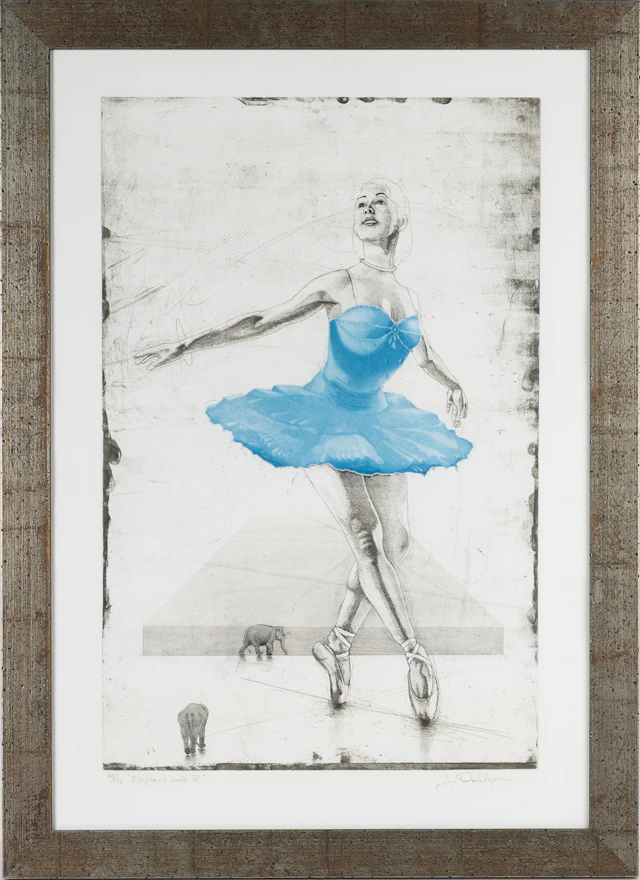
JAN DAHLGREN (FÖDD 1954). "Elephant walk III", etsning.
10/23/2026
$30.2
估價: $100.93
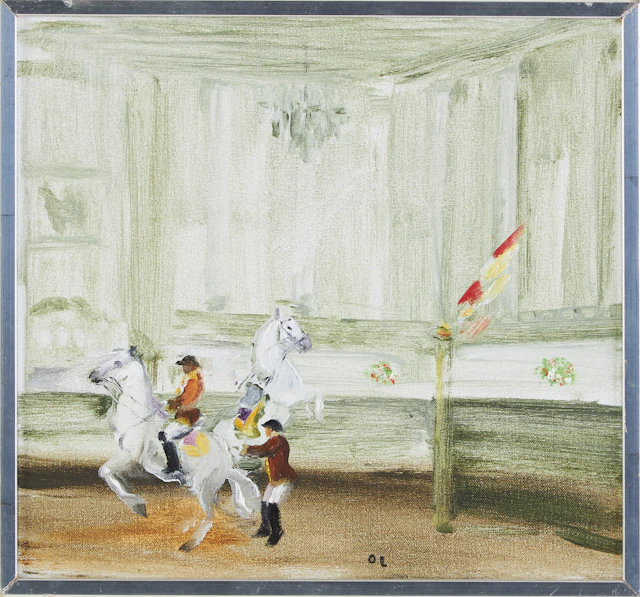
OLLE LINDGREN (FÖDD 1930). "Detroit" och interiör med hästar, (2 )
10/23/2026
$100.68
估價: $201.86
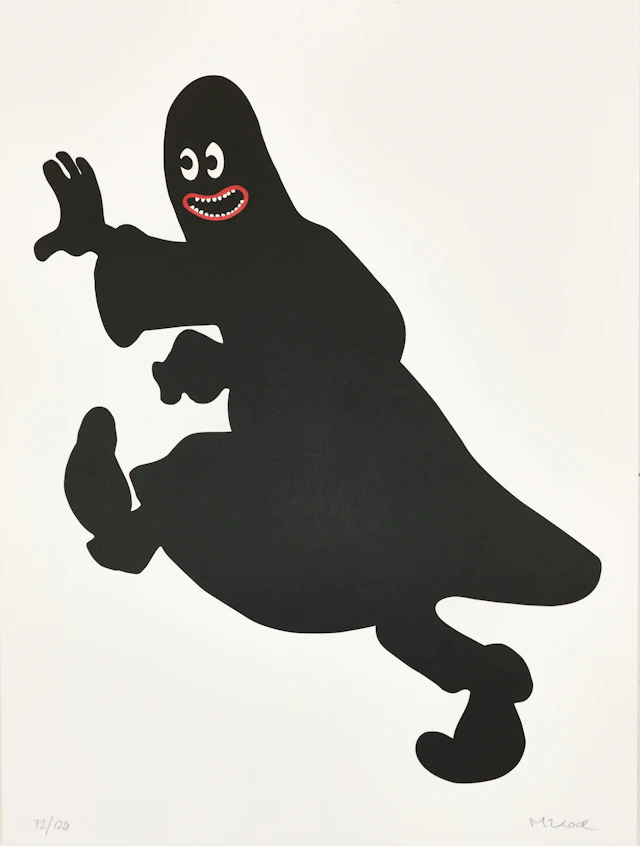
MAKODE LINDE (Sverige, född 1981). "Phantom Blot", signerad och numrerad
10/23/2026
$147.1
估價: $252.33
讓您的拍賣觸及全球收藏家!
立刻發佈上架