
全部拍賣 / Ethnographic / Crinoid - Fossilised animal - Saccocoma Tenella - 28 cm...

Crinoid - Fossilised animal - Saccocoma Tenella - 28 cm...
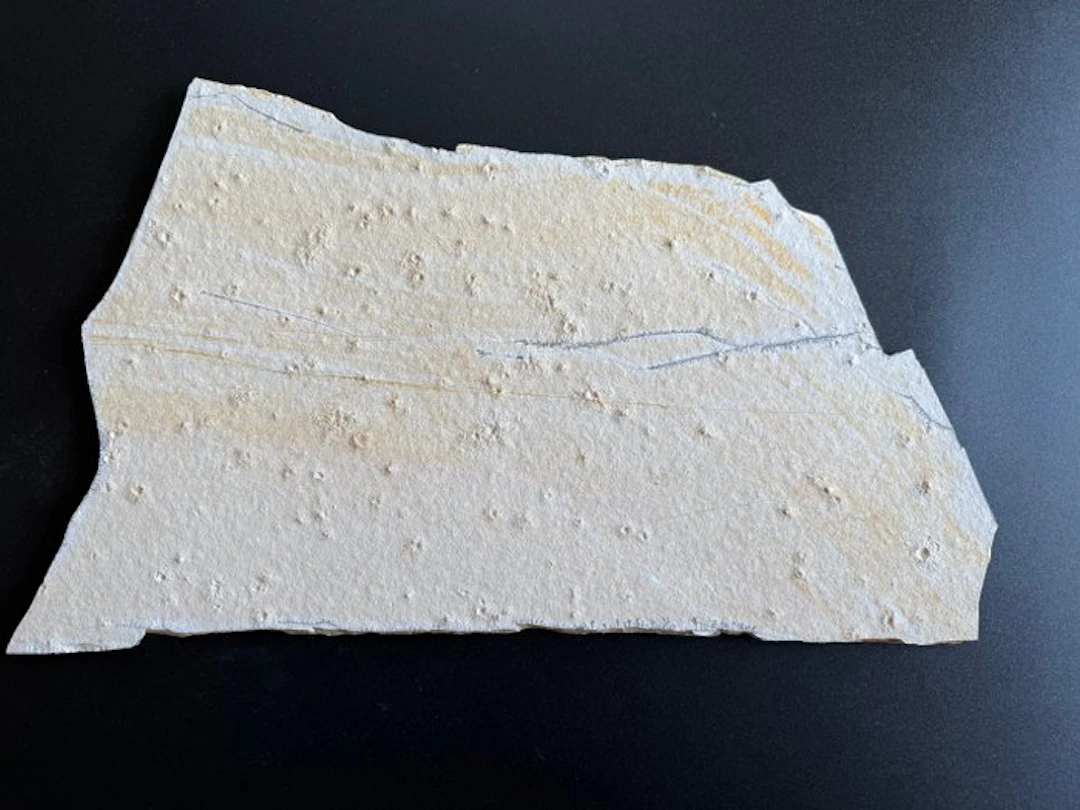
TECHNICAL DATA OF LOT 0005 - Material: Lithographic limestone from the Altmühltal Formation (unaltered sedimentary-origin matrix). - Dimensions: approx. 47 × 28 cm. Thickness: approx. 8.7 mm. - Period / chronostratigraphy: Upper Jurassic, Early Tithonian (about 150 Ma). - Condition and Conservation: The micritic matrix remains unaltered and free from artificial intervention, consolidants, composite glues or chromatic dyes. The perimeter preserves its natural stratification profiles and the mechanical rescue marks from manual extraction, free of contemporary cuts. Cleaning by neutral mechanical procedure. - Weight: 2084 g net on a digital scale, unchanged in mass. - Logistics protocol and packing: Secured shipment. The preventive protocol is executed by sequential physical stratigraphy from the surface of the slabs outward: direct primary wrapping in acid-free neutral tissue paper; perimeter cushioning layer in expandable Kraft paper with hexagonal hollow structure; airtight atmospheric barrier sealed inside a polyethylene hermetic bag with silica gel packets clustered at one perimeter end; and insertion into an external rigid extruded polystyrene (XPS) structural chassis 40 mm thick provided with high-density cardboard corner supports and perimeter seal with a safety indicator "FRAGILE". SCIENTIFIC DESCRIPTION AND TAPHONOMICS Single slab of Solnhofen limestone (Bavaria, Germany) registered for preservation and institutional study. The piece hosts a paleobiocoenosis resulting from a mass mortality event of free-living planktic crinoids, taxonomically identified as Saccocoma tenella. The scientific and institutional interest of the slab lies in its high population density and biometric diversity, with an expert count of approximately 128 specimens on the frontal (anterior) face and 5 independent specimens on the posterior (reverse) face, ranging from juveniles of only 3.4 mm to mature adults. The slab stands out for its fidelity of structural and geometric preservation, distributed in three key areas: - Frontal Face (Anterior): Shows a massive accumulation of individuals that collapsed simultaneously on the Jurassic seabed. Notable is a central pair whose calices exhibit pentaradial symmetry; the largest specimen (22.7 mm) is symmetrically cut by a natural diagenetic axis of limonite. Preservation types vary between positive conical reliefs, negative molds in depressions, and translucent diagenetic calcite recrystallizations in the cores of the crowns. - Mineralogical Interaction and Dendrites: The main plane is ornamented by a continuous peripheral development of pyrolusite dendrites (manganese oxide) with fractal morphology and dark tone, arising from the notches of the upper edge and advancing toward the micritic interior. Parallel sinuous lines of iron (limonite) infiltration coexist, creating a natural color contrast against the creamy rock background. - Posterior Face (Reverse): The reverse confirms the slab’s biological integrity and the complete absence of resins or structural reinforcements. It shows the through-going continuity of mineral veins and hosts the relief and basal imprint of a solitary calyx of Saccocoma tenella documented in a straight top view with a calibrated peripheral diameter of 15.2 mm. The coexistence of different fossilization forms in the passing juveniles is noted: a microcrinoid preserved in negative relief as a decompression void with a diameter of 3.4 mm at the dendrite perimeter, alongside additional relief structures and translucent diagenetic calcite recrystallizations up to 4.8 mm. Along the contour of the peripheral profile, calibrators record a crystal structure 15.8 mm wide extending to 18.4 mm linearly. A vertical superficial mechanical abrasion trace from static contact of the slab during extraction in the quarry plane is documented, entirely stable. DOCUMENTATION AND CERTIFICATES INCLUDED To guarantee the traceability of this active project record, the lot is delivered with the following museum-standard technical documentation: - Authenticity Certificate A4: Layout with a continuous four-language structure (ES, EN, DE, FR), indexed under the identifier Solnhofen-0005 and validated on the lower third by a handwritten signature and embossed dry seal of Private Collection. - Field Technical Card A6: Written in English (monolingual) on 240 g/m² laid card stock, containing the litho-stratigraphic, morphological and pure metric variables of the specimen. - Technical-Main Catalogue: 20-page analytical monograph with photogrammetric records, micrometric calibration and the preventive conservation protocol, validated on the reverse of the final physical page by handwritten signature and permanent archival color pigment inscription. PROVENANCE HISTORY The lot originated from a fortuitous find within an architectural stone supply. The record has been kept under dry, stable environmental conditions. The collector guarantees full legality of possession and the legal transfer of this lot, in strict accordance with current heritage law and Regulation (EU) 2019/880 on the introduction and import of cultural goods, symmetrically complying with the international standards of good-faith practice in the paleontology market.
估價:$202.26
前往拍賣頁查看所有物品來自Catawiki或Ethnographic
估價:
$202.26
類似物品

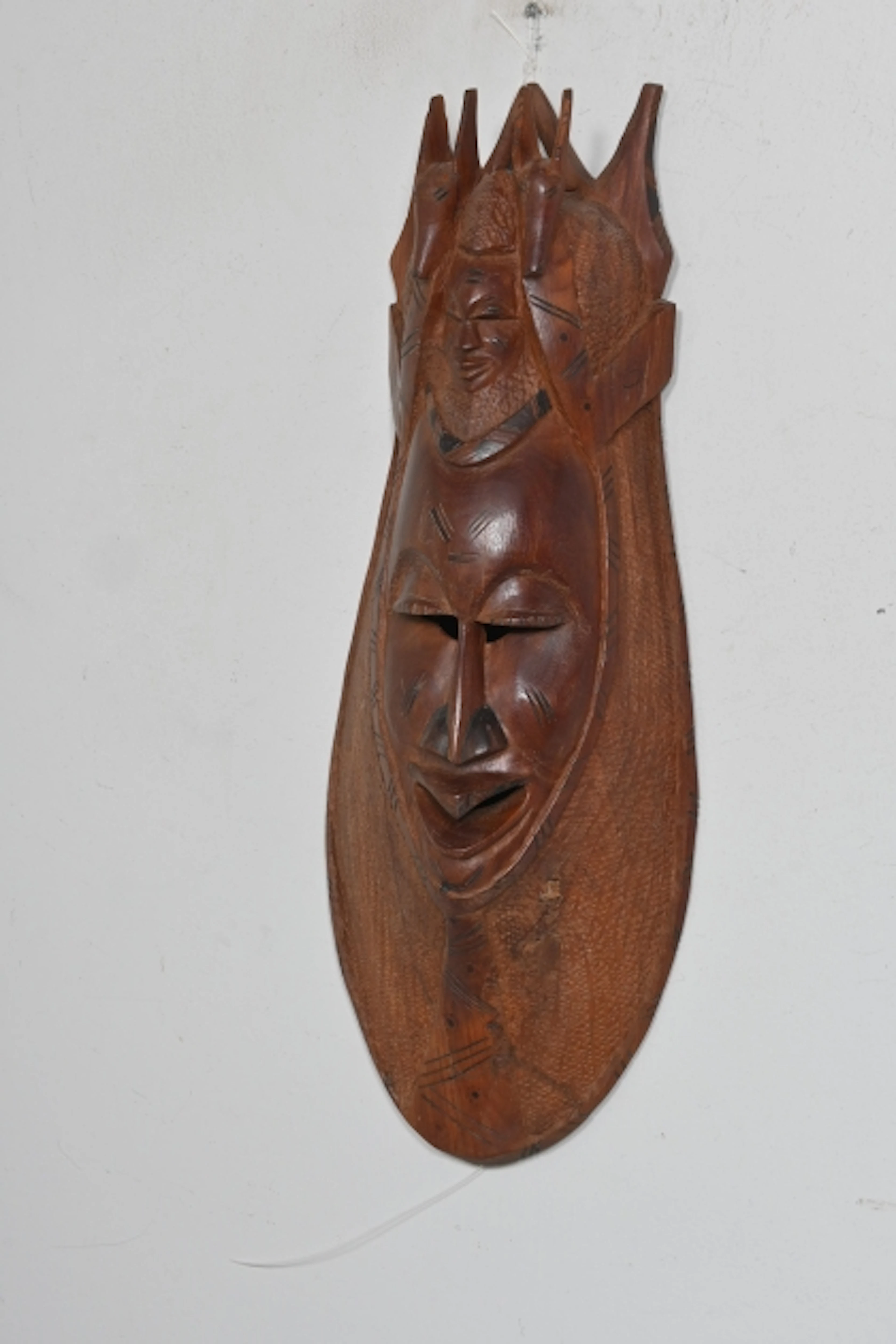
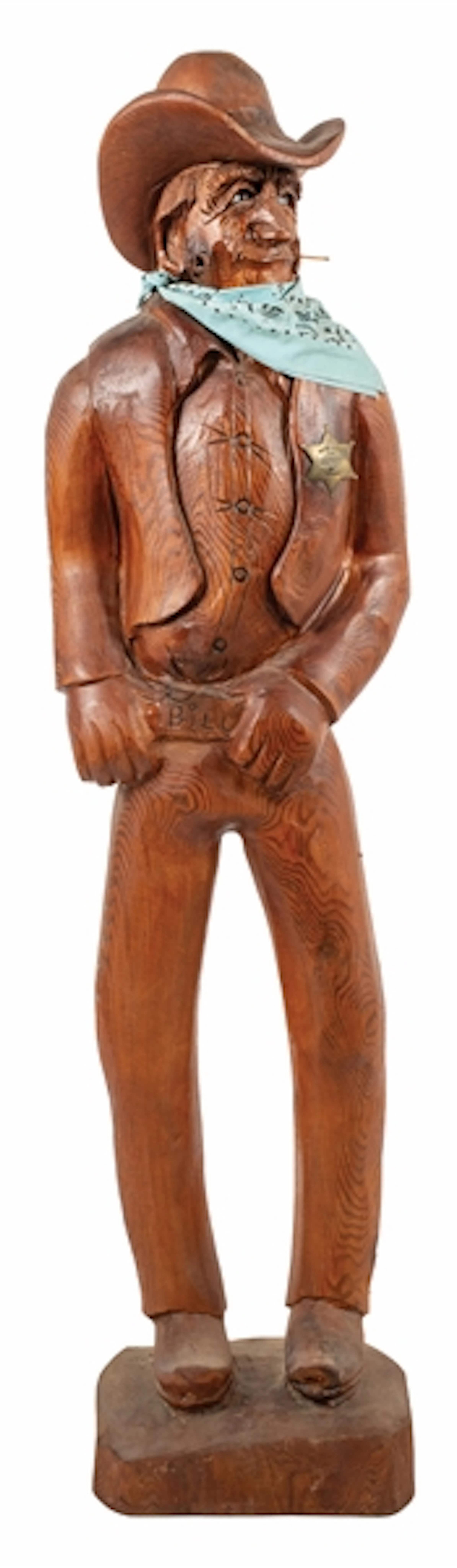
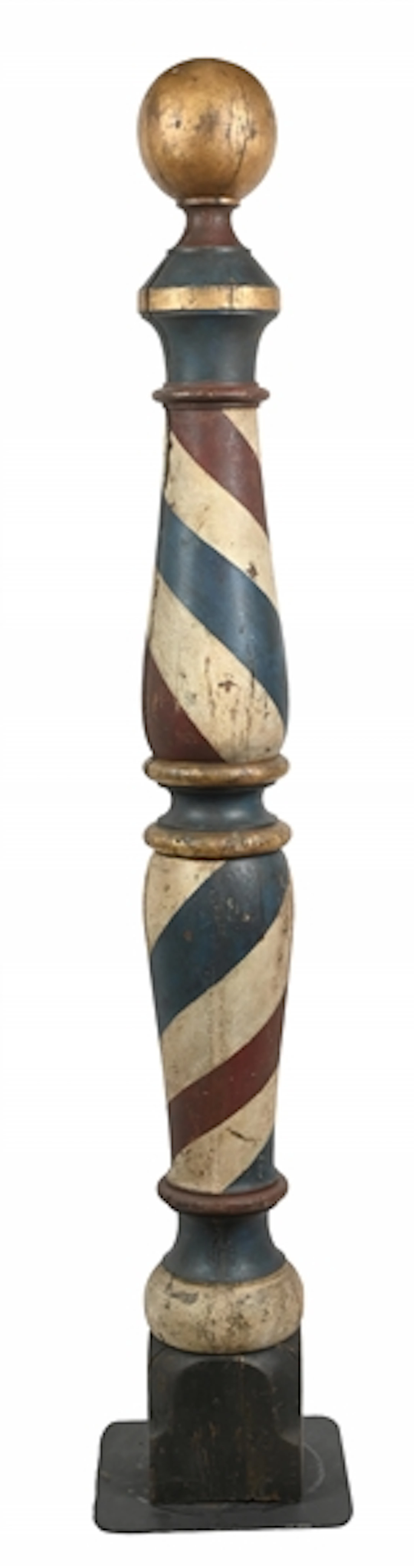
類似物品的拍賣結果
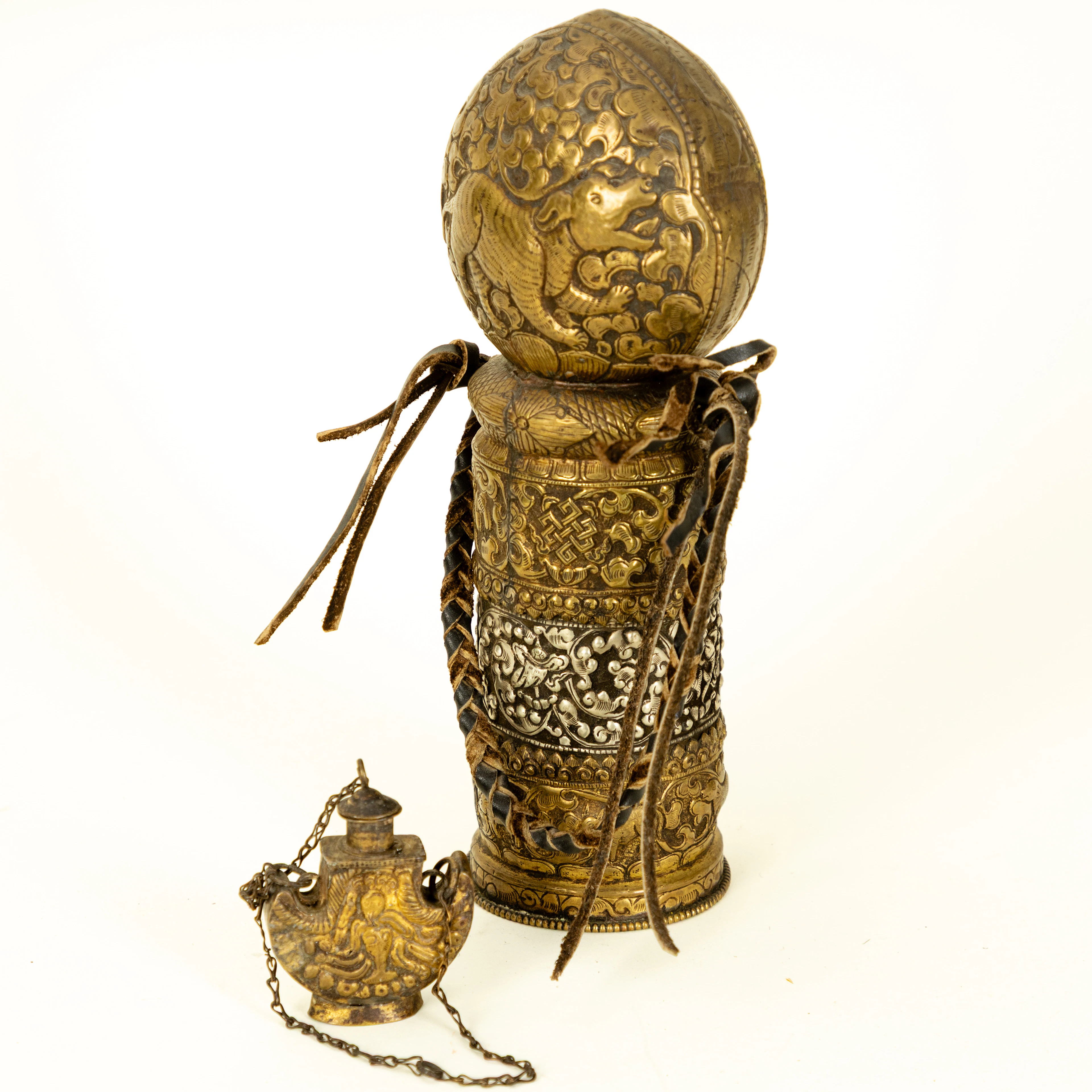
Shanka-Siegel und kleine Flasche, Himalaya-Region, frühes 20. Jh. (2).
10/16/2026
$56.18
估價: $112.02

讓您的拍賣觸及全球收藏家!
立刻發佈上架